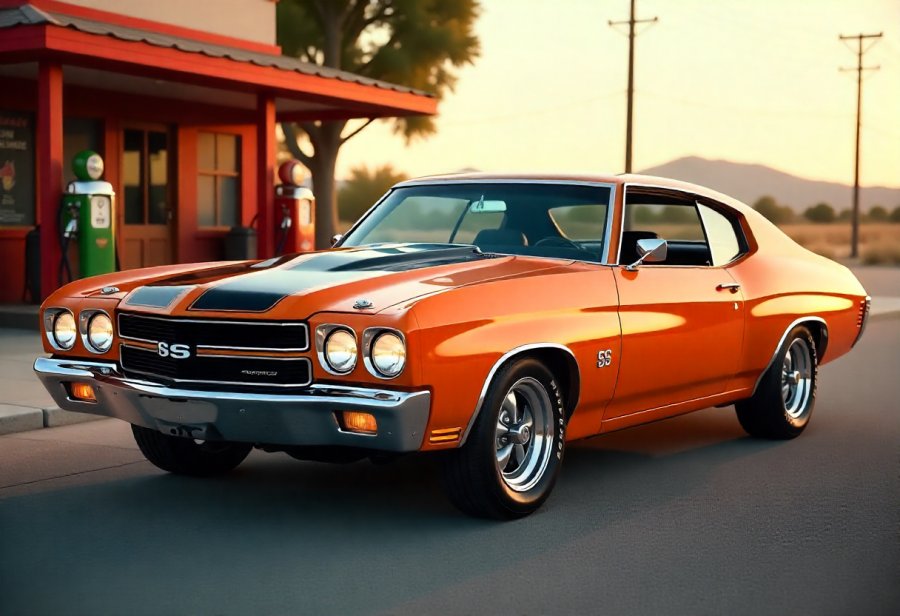
The Ford Mustang stands as an enduring symbol of American muscle, freedom, and rebellious spirit—yet what truly fuels its legendary status across generations? From its debut in 1964, the Mustang revolutionized automotive design with its bold silhouette and performance prowess, capturing hearts and cultural relevance through cinematic icons and music legends. Its design seamlessly blends nostalgia with modern innovation, maintaining a powerful presence on the road while continuously evolving with turbocharged engines and advanced technology. This iconic car’s influence extends beyond mechanics, inspiring a passionate community of enthusiasts, racers, and restorers who keep its legacy alive. As the automotive landscape shifts toward electrification, the challenge lies in preserving the raw emotion and rebellious energy that make the Mustang special—can future models harness sustainability without losing their soul? The Mustang’s story is one of resilience, innovation, and unyielding pursuit of freedom—an ongoing legend fueled by history and driven by the future.
Unveiling the Mustang Legacy: America’s Symbol of Freedom and Rebellion
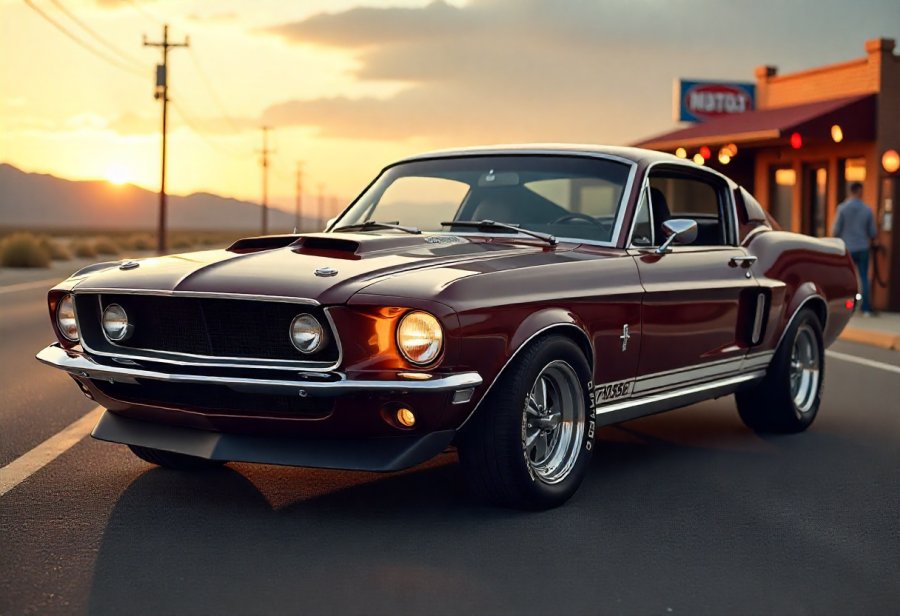
The Ford Mustang isn’t just a car; it’s a symbol of American ingenuity and the free spirit that drives many to explore the open road. When it first rolled off the assembly line in 1964, it captured hearts with its bold design and promises of performance. More than just transportation, the Mustang embodied independence, adventure, and rebellion—values that resonated strongly with a wide audience eager to stand out and make a statement.
What truly sets the Mustang apart is its status as a cultural icon. Over the decades, it has appeared in movies, music, and stories that evoke themes of freedom and daring. Iconic scenes like Steve McQueen’s high-speed chase in *Bullitt* or Elvis Presley’s affection for the car helped cement its place in American pop culture. These moments transformed the Mustang from a mere vehicle into a symbol of youthful rebellion and personal expression.
The design of the Mustang has played a crucial role in shaping its lasting legacy. Features like the long, sculpted hood and the distinctive pony grille immediately signal power and attitude. Each generation has refined these elements—preserving the classic fastback silhouette while incorporating modern touches—ensuring the car remains relevant. This thoughtful blend of tradition and innovation helps the Mustang appeal to both nostalgic enthusiasts and new drivers alike.
Beyond aesthetics, performance is a core part of what makes the Mustang special. From its early days equipped with V8 engines that delivered impressive speed, to today’s turbocharged models, the car offers an exhilarating driving experience. It’s designed to be responsive, powerful, and fun—whether cruising on the highway or tearing through a racetrack. This combination of style and substance has helped the Mustang maintain its reputation as a true American muscle car.
Throughout its history, the Mustang has inspired a passionate community that keeps its spirit alive. Car clubs, restoration projects, and racing events celebrate its legacy, fostering a sense of shared passion across generations. This vibrant culture of craftsmanship and customization ensures the Mustang remains more than just a vehicle—it’s a movement rooted in freedom, innovation, and the pursuit of speed.
Tracing the Evolution: The Historic Roots of the Mustang from 1964 to Today
The Ford Mustang debuted in 1964, revolutionizing the American automotive scene and creating a new segment known as the pony car. Its compact, stylish design combined with performance-oriented engineering struck a chord with younger drivers and muscle car enthusiasts alike. Ford’s aggressive marketing and innovative approach led to rapid sales, surpassing one million units within just a few years and establishing the Mustang as a true cultural phenomenon.
From its inception, the Mustang’s distinctive silhouette—long hood, short rear deck, and the iconic pony grille—set it apart from other cars on the road. These design cues conveyed speed and agility, making the car instantly recognizable and aspirational. Each generation has preserved these elements while introducing modern touches, balancing nostalgia with innovation to keep the model fresh and relevant across decades.
The early models were powered by muscular V8 engines, such as the 289 and 302 cubic-inch variants, which delivered impressive horsepower and acceleration. These cars quickly built a loyal following, driven by their ability to combine performance with everyday usability. As safety and emission standards evolved, Ford enlarged and refined the Mustang, but it retained its core identity of sporty handling and aggressive styling.
During the 1970s, the Mustang grew larger and more comfortable, reflecting changing consumer preferences. Despite these shifts, Ford continued to produce high-performance variants like the Boss and Cobra editions, keeping the spirit of the original alive. The 1980s and 1990s brought technological upgrades—digital dashboards, aerodynamic bodies, and more efficient engines—yet the essence of the muscle car remained intact.
A renaissance occurred in the early 2000s, with models that paid homage to the original fastback design while integrating modern technology. Today’s Mustangs feature turbocharged engines, lightweight materials, and advanced electronics, emphasizing speed, safety, and efficiency. Throughout its evolution, the Mustang has maintained its signature look—an emblem of power, style, and American resilience—ensuring its place in automotive history.
Enduring Allure: An In-Depth Look at the Mustang’s Cultural and Performance Impact
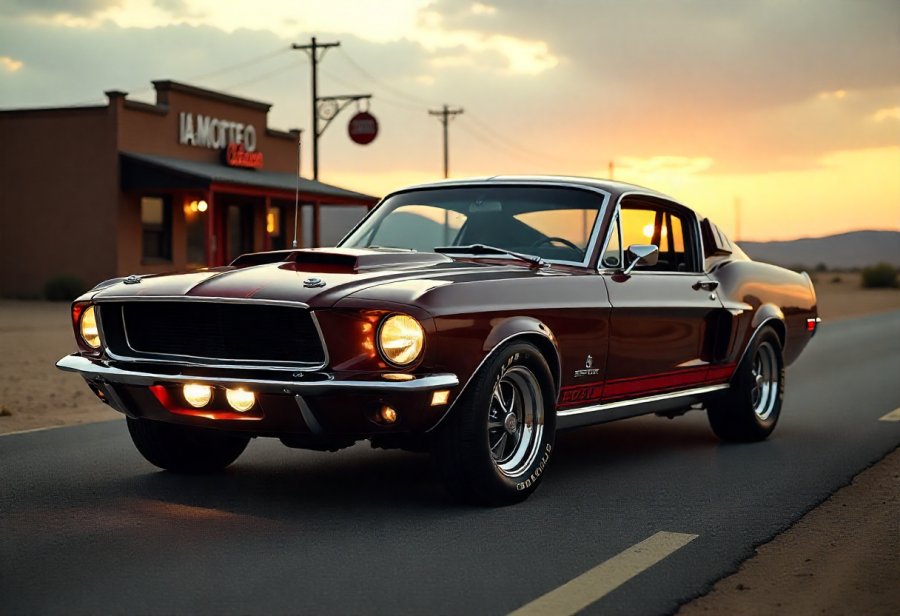
The Ford Mustang’s lasting appeal is evident in its impressive sales figures and cultural footprint. Since its debut in 1964, it has consistently ranked among the top-selling sports cars in America, with millions of units sold worldwide. Its bold, instantly recognizable design—characterized by the signature pony grille and sleek fastback profile—continues to capture attention across generations. Beyond raw numbers, its presence in movies like *Bullitt* and *Gone in 60 Seconds* has cemented its identity as a symbol of speed, rebellion, and freedom, making it more than just a vehicle—it’s a pop culture icon.
Design plays a crucial role in the Mustang’s enduring charm. The long hood, aggressive stance, and distinctive details like side scoops and racing stripes create a visual language that exudes power and agility. Over the years, these elements have been carefully preserved and refined, blending nostalgic appeal with modern aerodynamics and technology. This consistency in design helps maintain a sense of familiarity—while each new model brings subtle updates—allowing the Mustang to stay fresh without losing its core identity.
Performance has always been at the heart of the Mustang’s appeal. Early models equipped with V8 engines like the 289 and 302 cubic-inch variants delivered exhilarating speed and acceleration, establishing its reputation as a true muscle car. Today’s models, with turbocharged four-cylinder engines and high-horsepower Shelby editions, continue this legacy, offering impressive responsiveness and thrill. These technological advances ensure that the Mustang remains competitive, appealing to both nostalgic enthusiasts and new drivers seeking authentic power and driving excitement.
Culturally, the Mustang has woven itself into American life. It’s starred in iconic scenes—Steve McQueen’s high-speed chase in *Bullitt* being a prime example—that symbolize daring and independence. Its association with music legends like Elvis Presley and racing victories by Shelby variants have elevated its status beyond the showroom, turning it into a symbol of rebellion and individualism. These milestones have transformed the Mustang from a simple car into a cultural phenomenon that embodies the spirit of freedom.
Despite its legendary status, the Mustang has faced challenges. Critics point to earlier models that sometimes prioritized raw power over comfort or safety, and regulatory changes pushed Ford to adapt. Nevertheless, each evolution has preserved the essence of the original—speed, style, and attitude—while integrating modern features. This ability to evolve without losing its soul has kept the Mustang relevant and revered among enthusiasts and new fans alike.
The passion of a dedicated community sustains the Mustang’s appeal. Car clubs, restoration projects, and tuning scenes thrive around this vehicle, fueling a culture of creativity and craftsmanship. Owners love customizing and restoring vintage models or upgrading modern versions, ensuring the legacy continues through shared enthusiasm. This vibrant scene not only preserves the Mustang’s history but also drives innovation and excitement, keeping its story alive for future generations.
Looking ahead, the Mustang’s ability to adapt will determine its continued influence. With electric and hybrid models on the horizon, Ford aims to marry performance with sustainability, promising that the Mustang’s core values will endure. Its ongoing evolution—balancing innovation with tradition—ensures that it remains a symbol of American muscle and freedom. The evidence of its resilience is clear: the Mustang is more than a car; it’s a living legend that continues to inspire and thrill across decades.
Shaping the Future: How the Mustang Continues to Influence Automotive Design and Enthusiast Culture
The Mustang’s influence on automotive design is profound and ongoing. Its bold styling cues—like the aggressive front grille, long hood, and fastback silhouette—set a standard that many performance cars aspire to today. These elements have become a visual shorthand for power and speed, inspiring countless models across the industry. Automakers recognize that a distinctive, memorable look can define a brand, and the Mustang’s design language continues to shape contemporary muscle and sports cars.
In manufacturing, the Mustang pushes innovation through the use of advanced materials and engineering techniques. Lightweight composites, high-strength steel, and aerodynamic enhancements are now commonplace in the model lineup, boosting performance without sacrificing reliability. Ford’s focus on engineering excellence has driven improvements in suspension, drivetrain, and electronics, setting benchmarks that ripple through the industry. This commitment to quality and innovation ensures the Mustang remains a leader in both performance and craftsmanship.
Enthusiast culture remains central to the Mustang’s relevance. Car clubs, restoration projects, and tuning communities thrive on shared passion for this iconic vehicle. Owners regularly customize their Mustangs—restoring vintage models or upgrading modern versions—keeping the spirit of personalization alive. This vibrant scene fuels a dynamic ecosystem of creativity and craftsmanship that sustains the car’s legendary status and encourages new generations to engage with its legacy.
The racing pedigree of the Mustang continues to influence its practical significance. Shelby variants and special editions have a storied history of track success, elevating the car’s reputation as a serious performance machine. These successes not only inspire technological advancements—such as improved aerodynamics and powertrain efficiency—but also foster a culture of spirited driving. As a result, the Mustang remains a symbol of racing excellence and high-performance innovation.
Beyond design and performance, the Mustang fosters a community of passionate owners and fans. Car shows, rallies, and enthusiast gatherings create opportunities for sharing ideas, celebrating history, and passing down traditions. This active engagement keeps the Mustang’s culture vibrant and ensures its legacy endures, connecting past and future drivers through shared enthusiasm.
The impact of the Mustang extends into industry standards. Its design language and engineering benchmarks influence other brands, encouraging innovation and excellence across the automotive landscape. Ford’s development of electric and hybrid variants demonstrates a commitment to evolving without losing sight of the core values that made the Mustang legendary—power, style, and independence.
Sustainability trends are shaping the next chapter of the Mustang’s influence. Electric models aim to deliver the same exhilarating performance while meeting modern environmental demands. Incorporating lightweight structures, advanced propulsion, and smart technology, these vehicles strive to preserve the emotional appeal of the original muscle cars. This balance of tradition and innovation keeps the Mustang relevant in a rapidly changing industry.
Ultimately, the Mustang’s practical significance lies in its ability to inspire and set standards. It continues to influence automotive design, manufacturing, and culture by embodying the spirit of American muscle—bold, innovative, and timeless. Its legacy of pushing boundaries ensures that it remains a symbol of freedom and performance, inspiring enthusiasts and industry leaders alike for generations to come.
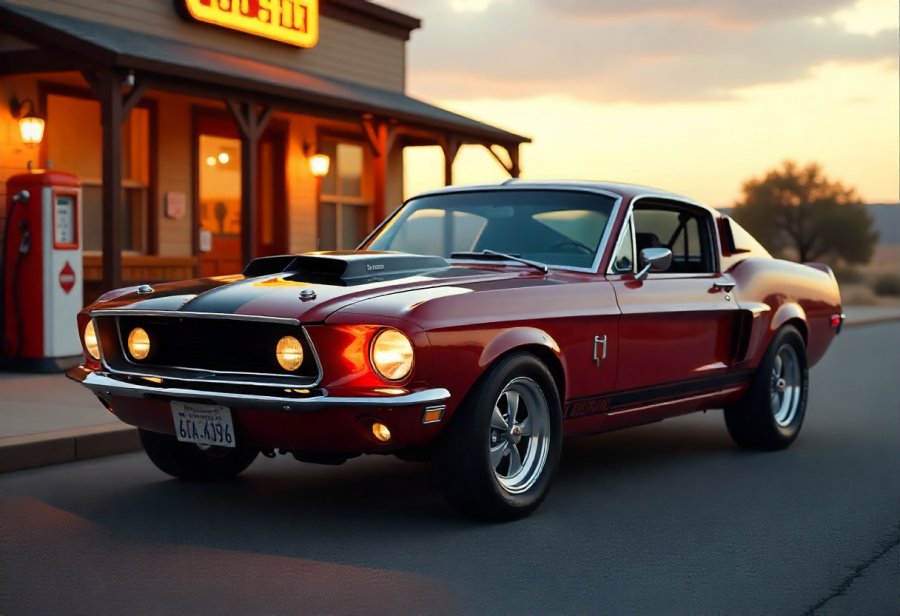
Looking Ahead: The Future of the Mustang in a Changing Automotive Landscape
The future of the Mustang remains as vibrant and dynamic as its legendary past, blending innovation with tradition to keep its legacy alive. As automotive technology advances at a rapid pace, the challenge lies in modernizing the model without compromising the raw spirit that has made it an icon. Electric and hybrid powertrains are increasingly shaping the landscape, offering not only enhanced performance but also greater sustainability. Ford’s ongoing efforts to develop these cutting-edge technologies aim to ensure the Mustang continues to resonate with drivers seeking excitement and progress alike.
While embracing new innovations, the Mustang faces stiff competition from emerging electric models and high-performance vehicles from other brands. To stand out in this evolving market, Ford must strike a delicate balance—delivering exhilarating speed, advanced safety features, and seamless connectivity while staying true to its rebellious roots. The goal is to create models that thrill with their performance yet feel authentic and true to the car’s origins, ensuring that the essence of freedom and power remains intact.
The core appeal of the Mustang will always stem from its ability to inspire passion through design, performance, and cultural significance. Moving forward, maintaining that emotional connection is crucial. Ford’s focus on integrating innovative technologies—such as autonomous driving aids and electrification—must feel natural and enhance the driving experience without diluting the car’s rebellious spirit. As new generations discover the Mustang, they will seek a vehicle that embodies their values—individuality, progress, and a desire for unrestrained freedom—without losing the iconic identity that defines it.
Enthusiasts and collectors will continue to shape the Mustang’s future. Their support for preserving vintage models and embracing new technology will help bridge the past and future. Classic restorations will remain tangible links to the car’s roots, while modern upgrades push the boundaries of performance and customization. Community events, racing series, and enthusiast gatherings will sustain the vibrant culture that has long been its backbone, inspiring new drivers to carry the torch forward.
The development of electric Mustangs marks a pivotal moment in its evolution. These models aim to sustain the car’s performance benchmarks—offering quieter, more efficient drives—while capturing the thrill that’s synonymous with the brand. Design trends will focus on lightweight materials and aerodynamics to enhance speed and handling, but the challenge will be to evoke the visceral feeling of the original muscle cars. Achieving that emotional connection amid technological progress will determine whether the Mustang remains a symbol of freedom and innovation for decades to come.
Throughout its journey, the Mustang has demonstrated resilience by evolving without losing its core identity. Its enduring appeal is rooted in the perfect blend of history, design, and performance—elements that continue to inspire both enthusiasts and industry innovators. By staying true to its roots while embracing the future, the Mustang will keep inspiring new chapters in its legendary story. Its ability to adapt, innovate, and connect emotionally ensures that it remains more than a car—it’s an unstoppable symbol of American muscle and the pursuit of freedom.