Underground street racing is more than a high-octane adrenaline rush—it’s a deeply rooted culture of rebellion, loyalty, and brotherhood that thrives in the shadows of urban life. These clandestine events forge bonds that run far deeper than speed, built on shared risks, mutual trust, and a fierce sense of identity. As technology advances, the scene evolves, blending tradition with innovation through digital tools, custom modifications, and even electric vehicles. Yet, law enforcement’s growing scrutiny pushes racers to adapt—finding secret locations or shifting online—to preserve their community. This culture’s resilience lies in its unbreakable bonds, a collective spirit that refuses to fade, even amid increasing restrictions. What does the future hold for this relentless pursuit of speed and brotherhood, and how will it continue to redefine loyalty in an ever-changing landscape of innovation and challenge?
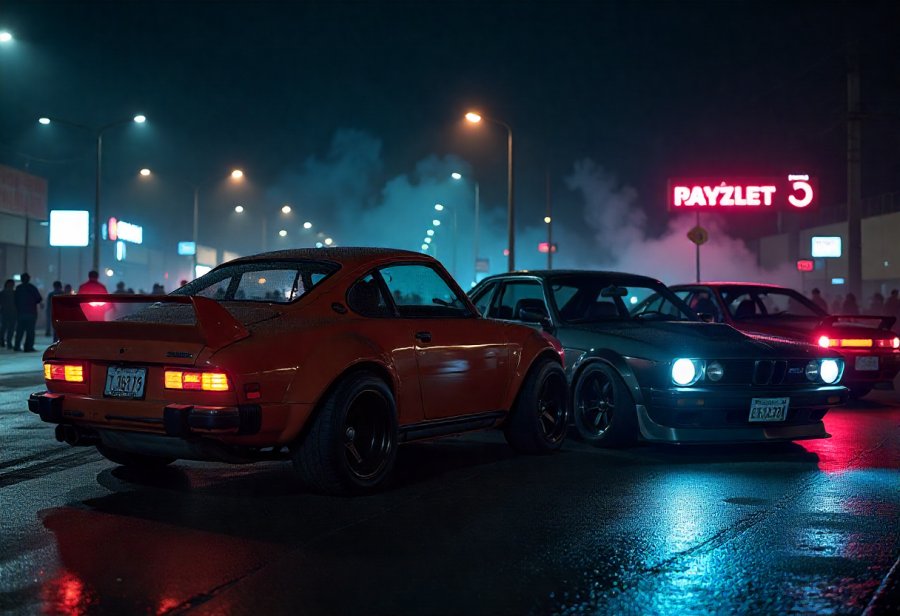
Underground Street Racing: A Thrilling Subculture in the Shadows
Underground street racing is more than just a thrill—it’s a vibrant subculture that thrives in the shadows of city life. Unlike official races on dedicated tracks, these events happen spontaneously on quiet streets after dark, where adrenaline and rebellion intersect. It’s a scene driven by a desire to push limits, express individuality, and forge a sense of belonging that mainstream society often overlooks. The raw energy and risk make each race feel like a rite of passage, a moment where speed and loyalty collide.
This underground racing scene has roots that stretch back decades, growing alongside the rise of car enthusiasts seeking alternatives beyond traditional circuits. Over time, it evolved from informal gatherings in parking lots and industrial zones into a complex culture characterized by custom-tuned cars, fierce rivalries, and shared traditions. The passion for tuning and modifications fuels this evolution, allowing racers to showcase their skills and personal style through aesthetic upgrades and performance tweaks that turn ordinary cars into street-ready beasts.
Despite its unofficial nature, street racing embodies a deeper cultural significance. It’s a form of resistance—a declaration of independence from societal norms. Participants carve out their own space, where loyalty and trust are paramount. Nightly gatherings become rituals, forging bonds rooted in mutual respect and shared risks. Racers support each other through mechanical challenges, legal threats, and the pursuit of adrenaline, forming a community that feels more like family than mere competitors.
The history of this scene is intertwined with the broader car culture of the ’60s and ’70s, when clandestine races became a symbol of youth rebellion. As modifications grew more sophisticated in the ’80s and ’90s, cities like Los Angeles and Tokyo gained reputation as hubs of underground racing. Today, despite increased law enforcement crackdowns, the core spirit persists—driven by a collective desire for freedom, brotherhood, and the thrill of speed that can’t be contained within official channels.
In many ways, street racing reflects urban life itself—fast, unpredictable, and fiercely loyal. It’s a culture that rejects conformity, finding its voice through roaring engines and neon-lit streets. As technology advances, so does the scene’s complexity, blending tradition with innovation while maintaining its rebellious heart. It’s a high-stakes, high-energy world where speed is only part of the story—here, community and identity run just as deep.
The Brotherhood of the Streets: Loyalty, Support, and Shared Identity
Underground street racing is as much about community as it is about speed. Racers often band together into crews that form tight-knit families, bonded by shared interests and neighborhood ties. These groups are more than just teams—they are a second home, a source of support in a world that often dismisses or misunderstands them. Loyalty runs deep within these circles, shaping every decision, every race, and every mechanical tweak.
Trust is the foundation of these crews. Members rely on each other not just for mechanical advice or safety during a run, but for emotional backing through personal struggles and legal threats. The shared experiences of close calls and hard-won victories forge bonds that feel unbreakable. These stories become part of the crew’s collective legacy, passed down through countless nights of racing and repair.
Night racing sessions are more than just competitions; they are rituals that reinforce kinship. Under flickering streetlights and neon signs, racers gather in shadows, united by their love of speed and their sense of belonging. They watch out for one another, sharing tips, celebrating wins, and supporting each other through setbacks. These moments—full of roaring engines and flickering headlights—cement a sense of brotherhood that transcends individual performance.
Cars are symbols of pride and identity within these crews. Members dedicate hours to customizing and tuning their rides, transforming them into representations of their skills and personalities. Sharing modifications and craftsmanship deepens their connection, turning individual builds into collective feats of artistry. Every upgrade, every tweak is a testament to their dedication and loyalty, reinforcing the bonds that hold the community together.
Unspoken codes govern this world—respect for secret race spots, fairness in competition, and the safety of all involved. These customs aren’t written down but are understood through years of shared experience. Upholding these traditions demonstrates honor and keeps the scene resilient against external threats. Loyalty isn’t just about winning; it’s about protecting the integrity of their brotherhood.
Support extends beyond the races. Crew members stand by each other during legal battles, mechanical failures, and personal hardships. Their loyalty isn’t limited to the track; it’s rooted in a shared understanding that they’re part of something bigger than themselves. This collective commitment sustains the scene, even when outside pressures threaten to break it apart.
Within this underground world, loyalty and brotherhood redefine what competition truly means. It’s about trust, mutual respect, and standing together in the face of adversity. These bonds turn a group of speed enthusiasts into a family—a family forged in the shadows, driven by adrenaline and an unbreakable sense of belonging. This is what makes their culture more than just racing; it’s a lifelong connection that fuels their passion and resilience.
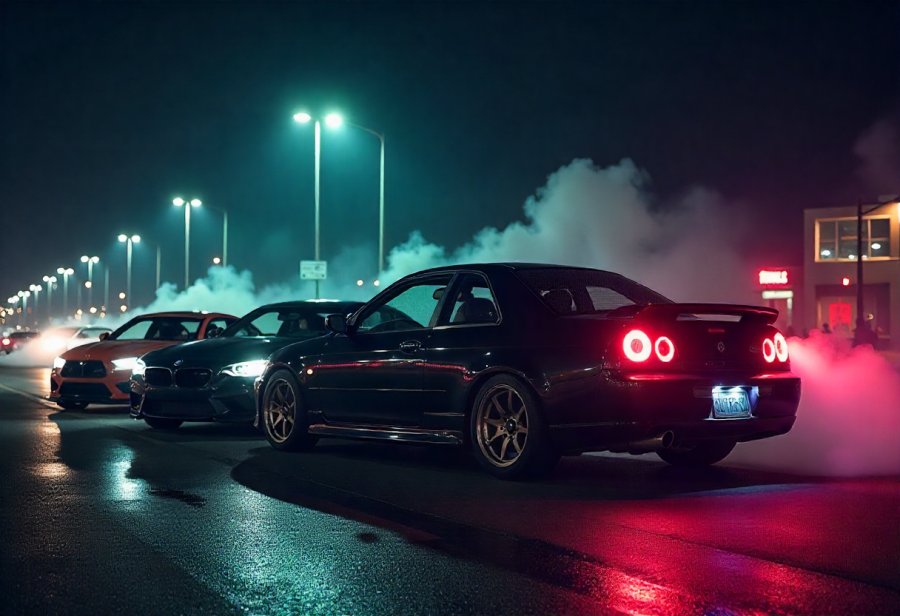
The Current State of Street Racing: Tech, Trends, and Challenges
Street racing today continues to evolve, blending raw adrenaline with modern technology and shifting strategies. Racers now harness digital tools like GPS, performance software, and social media to organize runs and share their experiences. These innovations make it easier to connect, showcase modifications, and build underground communities that extend beyond physical meetups. While the core thrill of speed remains unchanged, the scene has become more sophisticated, with technology pushing the limits of what’s achievable on city streets.
Popular models such as Nissan Skylines, Honda Civics, and Ford Mustangs still dominate, but today’s modifications are more advanced and eye-catching. Turbochargers, custom suspensions, and aerodynamic kits serve dual purposes—boosting performance and enhancing style. These upgrades aren’t just vanity projects; they reflect craftsmanship and creativity, strengthening bonds within the community. Sharing tips and showcasing builds have become a cultural norm, turning cars into symbols of pride and identity.
Despite its underground roots, street racing has gained visibility through viral videos and online clips capturing daring stunts and high-speed pursuits. This exposure brings admiration but also increased scrutiny from law enforcement, who deploy undercover units and roadblocks to curb illegal activity. As a result, racers seek out hidden locations or shift their organization to digital spaces to stay anonymous and reduce risks. Tensions with residents over noise and safety add pressure, prompting racers to adapt creatively to keep their culture alive.
Social media plays a vital role in maintaining the scene’s vitality. Enthusiasts share videos, organize secret meetups, and form private groups that connect them worldwide. This digital camaraderie helps preserve the rebellious spirit, even as legal and societal challenges mount. Many races and gatherings now happen online, blending tradition with innovation while keeping loyalty and brotherhood at the core. The scene’s resilience relies on its ability to stay connected and evolve without losing its rebellious edge.
Looking ahead, the future of underground street racing hinges on balancing technological advances with ongoing legal pressures. Electric vehicles, offering silent and high-performance options, could redefine stealthy racing. Real-time data analytics and encrypted live streams allow racers to push boundaries from a safe distance, fostering a more organized and resilient underground culture. As authorities become more adept at tracking illegal activity, racers will likely continue to innovate, seeking new ways to keep the spirit of speed alive while navigating a landscape of increasing restrictions.
Harnessing Culture: How Understanding Fuels Engagement and Advocacy
Understanding the culture behind underground street racing can transform how outsiders engage with or support these communities. Recognizing that loyalty, brotherhood, and pride are at the heart of the scene helps shift perspectives from judgment to respect. When you see cars as more than just machines—extensions of identity—you begin to appreciate the deep personal and communal significance behind every modification and race. This awareness fosters authentic conversations and builds trust, which are essential for meaningful influence and collaboration.
Knowing what motivates racers—such as the desire for independence, belonging, and self-expression—allows advocates to craft messages that resonate. Instead of imposing rules from outside, framing safety and responsible modification as ways to protect their community’s integrity taps into their core values. Initiatives like educational workshops or sponsored safe racing events, built in partnership with crews, align with their sense of craftsmanship and camaraderie. When efforts are rooted in understanding and shared goals, they’re more likely to be embraced rather than rejected.
Respecting the unspoken codes—such as safeguarding secret race spots, maintaining fairness, and prioritizing safety—further demonstrates genuine understanding. These traditions are woven into the fabric of the scene, passed down through trust and shared experience. Recognizing and honoring these customs fosters respect and helps prevent misunderstandings. Approaching with humility and a willingness to listen signals that the intent is to collaborate, not control, paving the way for stronger relationships and positive change.
Engaging with this culture also involves acknowledging its rebellious origins while highlighting opportunities for growth. Many crews already possess a strong sense of community and mutual support. By framing safety and responsible practices as ways to strengthen their brotherhood, outsiders can foster pride in progress. This approach turns efforts into shared achievements, reinforcing loyalty and resilience. It shifts the narrative from confrontation to partnership, ensuring the culture’s core values remain intact even as practices evolve.
Ultimately, understanding the deeper motivations and traditions of underground street racing transforms potential conflicts into opportunities for constructive dialogue. When outsiders approach with respect and curiosity, they can help preserve the scene’s vitality while promoting safer, more sustainable growth. Recognizing that this culture is built on trust, identity, and unbreakable bonds allows for meaningful engagement that honors its uniqueness. In doing so, we support a community that, despite external pressures, continues to thrive—fueled by loyalty, passion, and an enduring sense of brotherhood.
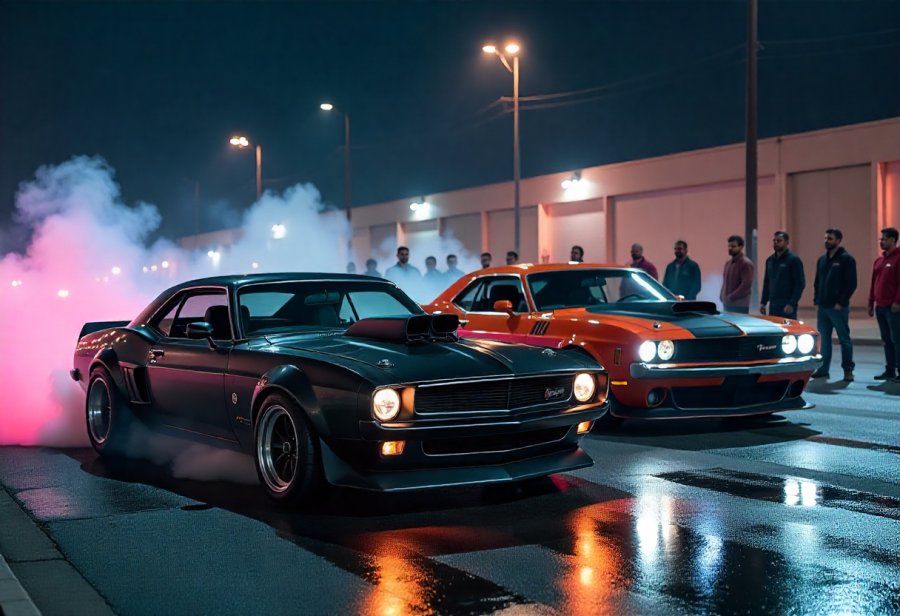
The Road Ahead: Innovations, Challenges, and the Evolution of Underground Racing
The future of underground street racing is poised for continuous transformation, driven by technological innovations and shifting societal pressures. Electric vehicles are beginning to reshape the scene, offering silent, high-performance options that challenge traditional combustion engines. These advancements open new doors for stealthy modifications, allowing racers to push limits without the noise and fumes associated with conventional engines. As real-time data analytics and performance software become more accessible, racers can fine-tune their cars with unprecedented precision, elevating the artistry and skill behind each build.
Digital platforms and social media will remain central to the scene’s evolution. Sharing videos of daring stunts, organizing clandestine meetups, and maintaining global networks through private groups will keep the rebellious spirit alive. These online spaces provide a sanctuary for connection and inspiration, even as authorities intensify their efforts to crack down on illegal activities. As law enforcement becomes more sophisticated, racers are likely to seek out hidden locations or shift their organization to encrypted channels, blending tradition with innovation to stay one step ahead.
Legal challenges will continue to pressure the scene underground or into virtual realms. Increased surveillance, undercover operations, and stricter regulations make it harder to find safe, legal racing spots. This pushes the community toward more discreet gatherings or digital competitions that emphasize safety without sacrificing the thrill of competition. The rise of electric and autonomous modifications further complicates the landscape, offering ways to race quietly and efficiently while maintaining the adrenaline-fueled essence of the culture.
Despite these hurdles, resilience remains a defining trait. The core values of loyalty, brotherhood, and passion for speed underpin the scene’s ability to adapt. As innovations emerge, they are often embraced if they reinforce community bonds and shared identity. Whether through secret meets, online exchanges, or stealthy modifications, the scene’s ingenuity ensures its longevity. Its ability to evolve without losing sight of its rebellious roots will determine how fiercely it survives in a future that’s as unpredictable as a midnight race.
In the end, underground street racing reflects urban life’s unyielding pulse—fast, fierce, and fiercely loyal. It’s a culture built on trust, innovation, and community resilience. As new technologies and legal landscapes reshape the environment, the spirit of the scene will persist, driven by the unbreakable bonds forged in shadows. The race for survival and relevance continues, with each new chapter adding another layer to its enduring legacy of speed, brotherhood, and rebellion.