Learning to ride a bike is a timeless rite of passage that embodies courage, resilience, and the deep bonds of family. This journey, filled with wobbling starts, falls, and triumphs, highlights how support and patience transform fear into freedom. But as safety technologies and cultural approaches evolve, the question remains: does the thrill of independence outweigh the fear of falling? From historical innovations to modern practices, the act of mastering two wheels teaches children vital life skills—confidence, responsibility, and perseverance—that extend far beyond childhood. Families celebrating each small victory foster stronger connections and instill resilience, shaping a mindset prepared for life’s challenges. With future advancements like smart gear and virtual training, the learning process continues to become safer and more inclusive. In this ongoing evolution, one thing is certain: the simple act of riding a bike remains a powerful symbol of growth, adventure, and endless possibilities.
The Joy and Growth of Learning to Ride
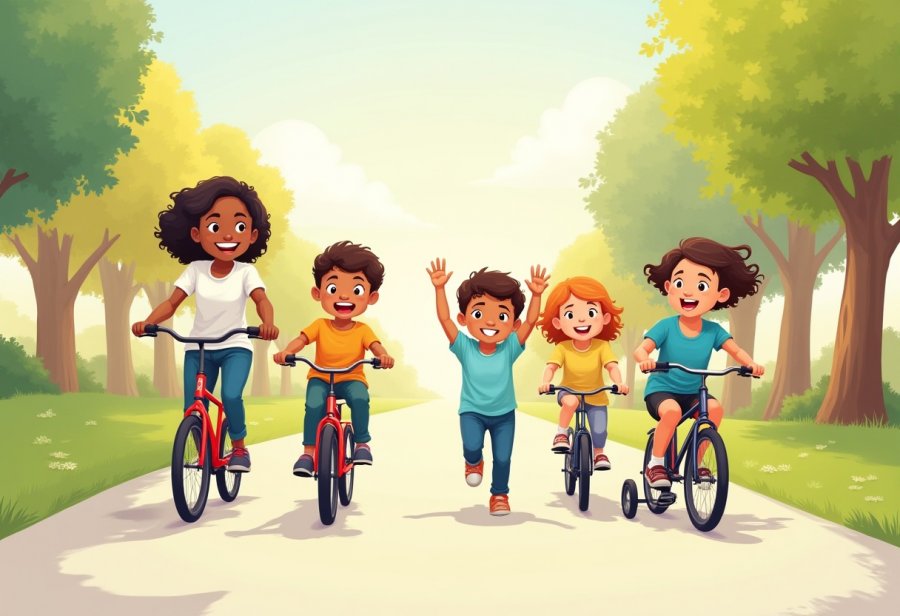
Learning to ride a bike is one of those childhood moments that stays with us forever. It’s a milestone that goes beyond just balancing on two wheels; it’s a symbol of courage and the willingness to embrace new challenges. For many kids, that first wobbling attempt is a leap into independence, mixed with excitement and a touch of nerves. It’s often a shared experience that brings families together, as they cheer on each small victory and offer reassurance during inevitable falls.
This process isn’t only about mastering pedaling or steering—it’s about building confidence. When children push off for the first time, they confront their fears head-on, discovering that wobbling and falling are just part of the journey. With family support, what could seem intimidating transforms into a bonding moment, where encouragement and patience turn setbacks into lessons in resilience. These early rides become more than just a physical skill—they’re a foundation for emotional growth.
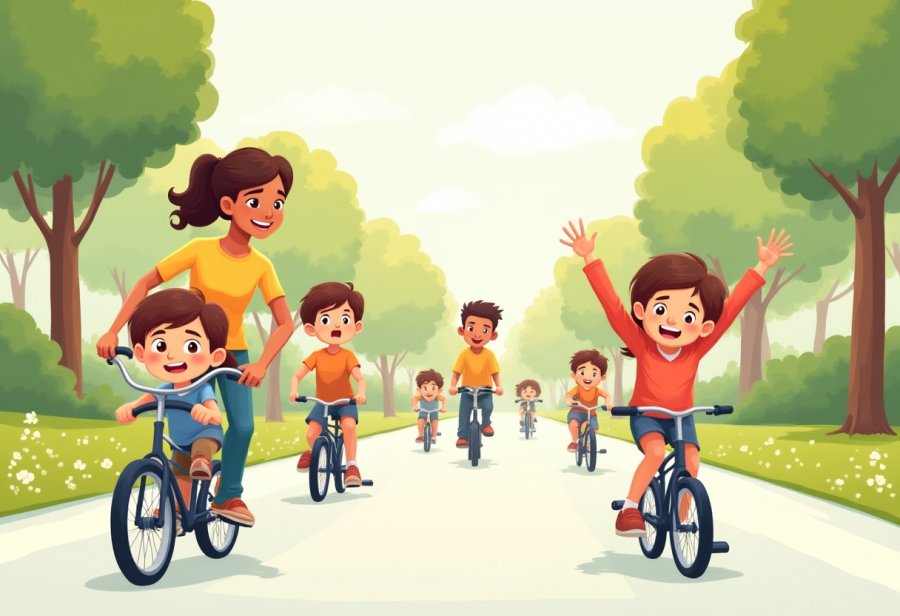
From the very start, learning to ride is deeply tied to family bonding. Parents jogging beside their children, hands ready to steady but never to take over, create a shared purpose. Siblings and relatives gather in parks and driveways, celebrating each small success. The joy of witnessing a child’s first unassisted ride is a powerful reminder that growth happens best when supported by loved ones.
As kids gain control and confidence, riding shifts from a simple activity to a symbol of perseverance—an act of overcoming fear through patience and effort. That initial wobble gradually turns into steady pedaling, and each successful ride teaches them that setbacks are manageable. These moments of progress help children see that resilience, trust in their abilities, and support from family are key to moving forward.
The significance of learning to ride extends far beyond physical skill. It shapes how children view their potential, showing them that taking risks and facing fears can lead to independence. For families, these moments deepen bonds, turning everyday efforts into memories of love, encouragement, and shared pride. Learning to ride becomes a story of courage, patience, and the power of family connection, setting the stage for a lifetime of confidence and adventure.
Tracing the Roots of Bicycle Riding and Childhood Development
The story of bicycle riding stretches back to the early 19th century, long before bikes became a common sight on neighborhood streets. The earliest prototypes, like the laufmaschine or “dandy horse,” had no pedals but introduced the idea of balancing and steering, sparking curiosity among children and adults alike. These simple, weightless vehicles symbolized innovation and adventure, inspiring imaginations and laying the groundwork for future designs.
By the late 1800s, safety bicycles with pedals, chains, and lightweight frames revolutionized the experience. They were sturdier, easier to control, and made riding accessible to kids of all ages. Families began to see cycling not just as play but as a step toward independence and self-reliance. For many children, those first rides were informal, often guided by parents or older siblings, who helped them find their balance and build confidence.
Initially, learning to ride was a spontaneous process. Kids would practice on local streets or open fields, accepting falls and crashes as natural parts of the journey. These early struggles emphasized resilience, teaching children that setbacks are temporary and perseverance is essential. The thrill of mastering the bike outweighed the fear of falling, reinforcing the idea that persistence pays off.
As bicycles gained popularity, teaching methods evolved. The introduction of training wheels and balance bikes allowed children to develop core skills gradually, focusing on balancing and steering before pedaling. These tools made learning safer and more manageable, especially for younger kids. Communities and schools began organizing formal programs, blending safety with fun, recognizing cycling as an essential skill for fostering independence early on.
Advances in safety gear, like lightweight helmets and padded clothing, further encouraged kids to ride confidently without fear of injury. Modern bikes are designed to grow with children, making the transition from training wheels to independent riding smoother. These innovations have helped make cycling accessible across diverse backgrounds and abilities, reinforcing its role in childhood development.
Different cultures have embraced cycling uniquely, influenced by local infrastructure and societal values. In countries like the Netherlands and Denmark, where cycling is woven into daily life, children learn early in bike-friendly environments, making the process seamless. Conversely, in regions with less developed infrastructure, children often learn informally—riding along dirt paths and open fields—yet still gaining the same sense of independence.
Overall, the evolution of learning to ride reflects broader societal shifts—valuing childhood independence, resilience, and outdoor activity. From heavy, simple bikes to modern, safety-equipped models, each step has reinforced the idea that cycling is a universal symbol of growth. This ongoing journey from tentative first rides to confident independence continues to inspire new generations, connecting past innovations with present practices and future possibilities.
Modern Methods and Cultural Worlds of Learning to Ride
Today, teaching children to ride a bike involves a mix of new methods and cultural influences that shape the experience. More than ever, safety takes center stage, with helmets, knee pads, and elbow guards becoming standard equipment to help kids feel secure and confident. These protective gear pieces are now widely accepted as essential, allowing children to focus on learning without fear of injury. Equally important are tools like balance bikes and adjustable training wheels, which offer a gentle, gradual approach to developing core skills like balancing and steering before tackling pedaling independently.
Different regions approach cycling education in ways that reflect local environments and cultural attitudes. In countries such as the Netherlands and Denmark, where cycling is woven into daily life, children often learn early in bike-friendly surroundings with dedicated lanes and flat streets. These safe, accessible spaces make the learning process smooth and almost instinctive. Schools and community programs in these places emphasize safety and skill-building, integrating cycling into physical education and local initiatives that promote active, eco-conscious transportation from a young age.
In contrast, in areas with less developed infrastructure or rural settings, children frequently learn informally. They might ride along dirt paths or open fields, guided by family members or friends. While this approach is less structured, it still instills similar lessons about independence, resilience, and confidence. Regardless of the setting, the goal remains the same: helping kids gain control and enjoy the freedom that cycling offers, fostering a sense of adventure and self-reliance.
The ongoing debate over the best way to teach kids to ride continues to evolve. Some advocates champion early independence, encouraging children to explore and learn at their own pace, which can build resilience and a love for cycling. Others prefer more structured, supervised lessons, especially for younger children still developing coordination, to ensure safety and effective skill acquisition. The rise of virtual tutorials, apps, and smart helmets offers new options, but questions remain about whether technology can truly replace hands-on practice and real-world experience.
Safety innovations also play a vital role in modern cycling education. Lightweight helmets, enhanced padding, and comfortable gear help children ride with confidence and reduce the fear of injury. Community-led programs and school initiatives focus on teaching safe riding habits and road awareness, which are crucial for fostering responsible cycling habits early on. These efforts aim to make cycling safer and more accessible, regardless of background or ability.
Urban environments with high traffic levels present unique challenges, prompting the development of specialized lessons that focus on traffic rules and cautious riding. Dedicated bike lanes and low-traffic streets are increasingly common in many cities, providing safe spaces for beginners to practice. These local adaptations highlight how learning to ride is not just about physical skills but also understanding safety and responsibility within specific community contexts.
Overall, the landscape of learning to ride today combines tradition with innovation. While technology and infrastructure continue to improve, the core principles remain rooted in patience, safety, and support. As practices adapt to changing environments, the joy of riding—along with its lessons of resilience and independence—continues to inspire generations of young cyclists.
How Learning to Ride Shapes Personal Growth and Family Bonds
Learning to ride a bike extends far beyond the physical act of balancing on two wheels; it leaves a lasting imprint on a child’s personal growth and family dynamics. When children finally master riding, they experience a profound sense of achievement that boosts their confidence across many areas of life. Overcoming the initial fear of wobbling and falling teaches them that setbacks are temporary, and perseverance can turn challenges into successes. These early victories in resilience encourage children to approach future obstacles with patience and determination.
For families, witnessing a child’s progress often becomes a shared milestone filled with pride and joy. Watching a hesitant rider transform into a confident cyclist creates bonds rooted in encouragement and support. These moments of growth, celebrated together, reinforce the importance of trust and communication within the family. Supporting a child through their first rides teaches them that they are not alone in their efforts and that perseverance is a shared journey.
Learning to ride also introduces children to responsibility—caring for their bikes, wearing safety gear, and understanding basic traffic rules. These habits foster discipline and accountability, laying the groundwork for broader life skills. As children gain independence on two wheels, they become more confident explorers, eager to navigate their surroundings with curiosity and self-reliance. This sense of autonomy nurtures their ability to make decisions and handle new situations with resilience.
Cycling influences family routines by encouraging outdoor activity and shared adventures. Parents and children often find themselves exploring local parks, bike paths, and neighborhoods together, creating memorable experiences that strengthen bonds. These outings promote teamwork, patience, and cooperation, helping children develop social skills in relaxed, active settings. Over time, cycling becomes a catalyst for healthier habits and a love for outdoor exploration that can last a lifetime.
The lessons learned through learning to ride extend into broader life perspectives. Facing the fear of falling and pushing through discomfort build mental toughness, equipping children to handle life’s bigger challenges. Embracing risk and overcoming setbacks foster resilience and confidence that go far beyond the bicycle. These foundational experiences, rooted in family support and personal persistence, shape a mindset that welcomes growth, adventure, and the pursuit of new horizons.
Future Horizons: Innovations and the Enduring Journey of Riding
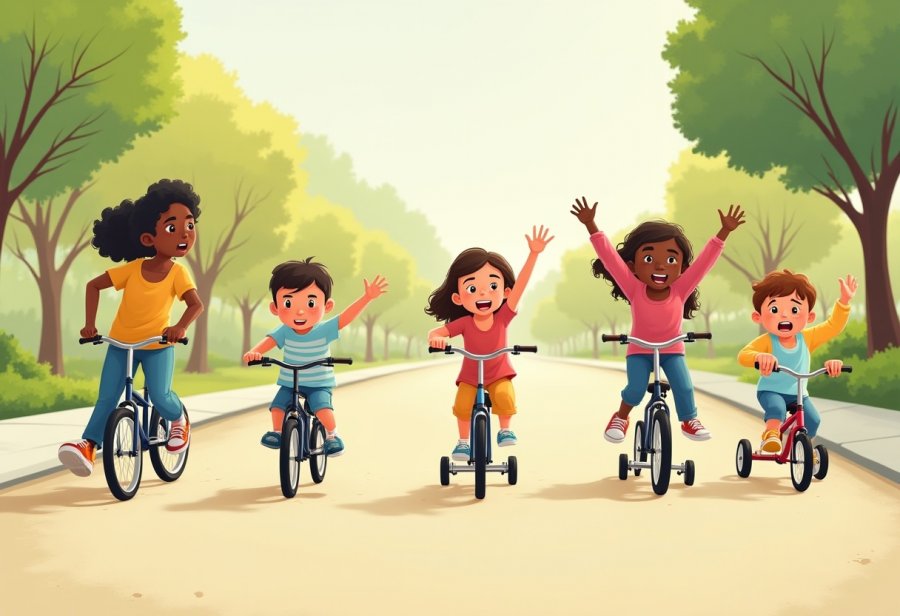
Learning to ride a bike is more than just a childhood milestone; it embodies qualities like courage, perseverance, and connection that resonate across generations. As safety technology advances and more inclusive practices emerge, the experience of learning to ride is becoming safer and more accessible. Lightweight helmets, adjustable bikes, and supportive training tools help children develop confidence gradually, reducing fears and making the process less intimidating. These innovations encourage more kids to try, explore, and enjoy the freedom that cycling offers.
Looking ahead, future developments in cycling education are likely to include even more innovative tools. Smart helmets equipped with sensors could provide real-time feedback, helping children refine their balance and safety skills while feeling secure. Virtual reality and augmented reality might offer simulated riding experiences, allowing kids to practice in controlled environments before venturing outdoors. Community programs and school initiatives will probably continue emphasizing inclusivity, making cycling a universal skill that promotes independence, health, and environmental awareness from an early age.
Despite these technological strides, the core lessons remain rooted in resilience, trust, and family support. The journey of learning to ride involves falling, getting back up, and trusting the process—experiences that teach children about persistence and self-reliance. Family encouragement and patience turn initial hesitation into confidence and joy, reinforcing the idea that growth often involves setbacks that are part of the learning process. These early lessons on two wheels extend beyond cycling, shaping how children approach challenges throughout life.
As communities and educators blend tradition with innovation, the way children learn to ride will continue to evolve. The goal stays consistent: fostering confidence, independence, and a sense of adventure. By embracing new tools and approaches, generations to come will have more opportunities to experience that first exhilarating ride in a safe, supportive environment. The shared effort to improve learning experiences ensures cycling remains a powerful symbol of growth and exploration.
In the end, the act of learning to ride is more than just mastering a physical skill — it’s about building resilience, trust, and independence. These qualities help children navigate not only their first rides but also the larger challenges they will face. With continued support, innovation, and community involvement, the simple act of pedaling into the unknown will keep inspiring confidence and a love for adventure in children for years to come. Every new stride in safety and technology reinforces that cycling is a lifelong journey of growth, connection, and discovery.