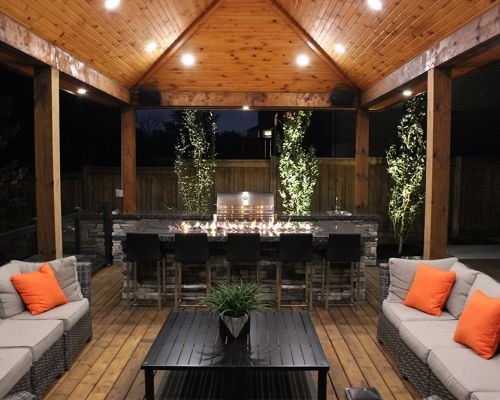
Transforming Toronto yards into stunning outdoor retreats is about more than aesthetics; it’s a delicate balance of beauty, sustainability, and client satisfaction. How can homeowners enjoy lush, functional spaces that thrive across seasons while supporting local ecosystems? This guide reveals how thoughtful design, native plants, and eco-friendly materials create resilient, low-maintenance landscapes that reflect personal style. From innovative water management to smart lighting and versatile zones, the future of Toronto’s landscape design promises smarter, greener, and more adaptable outdoor spaces. But how do these cutting-edge practices translate into real-world transformations that truly enhance everyday life? By blending expert planning with sustainable principles and client collaboration, each project becomes a personalized sanctuary—proof that eco-conscious design can be both beautiful and practical. Are you ready to discover how the next generation of outdoor spaces is shaping Toronto’s landscape into inspiring, responsible retreats?
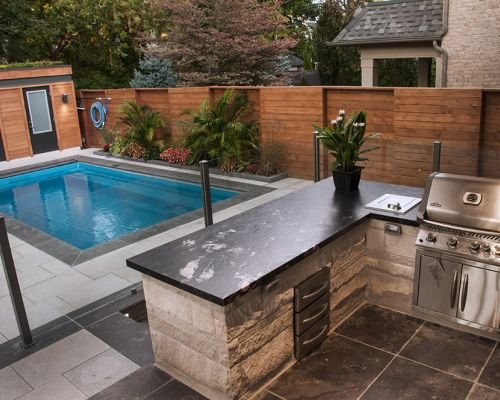
Transforming Toronto Yards into Personal Outdoor Retreats
Transforming Toronto yards into inviting outdoor retreats is more than just adding plants or paving a patio; it’s about creating a space that genuinely enhances daily life. With Toronto’s diverse neighborhoods and limited space, homeowners are increasingly looking for ways to extend their living area outdoors—making it a natural, relaxing extension of their homes. The goal is to craft outdoor environments that are not only beautiful but also functional, resilient across seasons, and aligned with personal style.
A well-designed yard can serve multiple purposes: hosting family gatherings, providing a peaceful spot for solitude, or supporting eco-conscious living. It’s about turning an underused patch of ground into a personal sanctuary—a space that reflects the homeowner’s tastes while supporting local ecology. Incorporating native plants and sustainable practices ensures the yard remains vibrant, requires less upkeep, and thrives regardless of Toronto’s ever-changing weather.
The process begins with thoughtful planning. A balanced layout guides movement and highlights focal points like fire pits, water features, or lush planting beds. This careful arrangement makes the space feel intuitive and inviting, encouraging regular use and easier maintenance. By blending aesthetic appeal with practical considerations, these yards become seamless outdoor extensions of the home.
Designing with environmental harmony in mind is equally important. Native plants and locally sourced materials help the landscape blend effortlessly into Toronto’s urban fabric. They also support local ecosystems by providing habitat for native insects and birds, while requiring fewer resources like water and chemicals. Sustainable materials, from recycled stone to reclaimed wood, not only reduce environmental impact but also add a modern, responsible touch to the design.
Ultimately, the aim is to create outdoor spaces that are versatile and personal. Whether it’s a cozy corner for reading or a large patio for entertaining, the best yards are adaptable to changing needs and seasons. Incorporating movable furniture, modular features, or layered lighting allows homeowners to reconfigure their outdoor environment effortlessly, keeping it fresh and relevant over time.
Every successful yard starts with understanding what matters most to the homeowner. Listening to their vision, habits, and aesthetic preferences ensures the final design feels authentic. Whether they desire a lush garden retreat or a sleek, modern patio, personal touches and collaborative planning lead to spaces that truly reflect their lifestyle and values.
As Toronto’s landscape design evolves, so do the possibilities. Embracing innovation—like smart irrigation systems, eco-friendly materials, and energy-efficient lighting—makes outdoor retreats easier to maintain and more sustainable. These trends promise yards that are not only stunning today but also adaptable and resilient for the future, creating outdoor spaces that bring joy while respecting the environment.
Core Principles Guiding Successful Toronto Landscape Designs
Creating a successful outdoor space in Toronto starts with understanding some core landscape design principles that serve as a guiding framework. A thoughtful layout isn’t just about looks; it shapes movement and interaction within the yard. When designed well, it naturally directs people toward focal points like fire pits, water features, or lush planting beds, making the space feel intuitive and inviting. A seamless flow encourages regular use, while also simplifying maintenance and upkeep.
Harmony with the environment is equally essential. Using native plants and local materials helps the landscape blend effortlessly into Toronto’s diverse surroundings. Native species are adapted to the climate, requiring less water and fewer chemicals, which supports ecological health and reduces ongoing effort. Recycled or sustainably sourced materials for pathways, furniture, and features not only minimize environmental impact but also add a modern, responsible aesthetic to the yard.
Versatility is another key principle. The best outdoor spaces are adaptable, serving multiple functions throughout the year. Designing zones for dining, relaxing, or gardening ensures the yard can meet changing needs. Incorporating movable furniture or modular features allows homeowners to reconfigure their outdoor environment easily, keeping it fresh and functional regardless of season or lifestyle shifts. Flexibility helps the space remain relevant and useful over time.
Understanding the homeowner’s preferences is fundamental. Listening carefully to their vision, habits, and aesthetic tastes ensures the final design reflects their personality. Whether they desire a lush, garden-filled retreat or a sleek, modern patio, tailoring the layout to their lifestyle creates a genuine sense of ownership. Asking about how they plan to use the space, their maintenance preferences, and their style priorities leads to a landscape that feels both beautiful and practical.
Eco-consciousness should be woven into every decision. Selecting native plants, installing rain gardens, and choosing sustainable materials for features and pathways reduce water runoff and resource consumption. These practices not only protect local ecosystems but also foster a resilient, low-maintenance yard that can withstand Toronto’s changing climate. By integrating these principles, designers craft outdoor environments that are both stunning and sustainable, ensuring they stand the test of time.
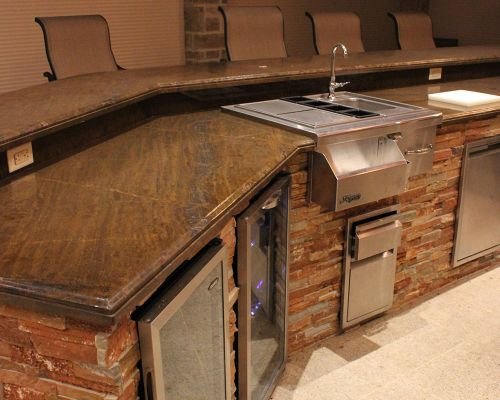
Practical Strategies for Sustainable and Beautiful Outdoor Spaces
Creating a sustainable and beautiful outdoor space in Toronto starts with choosing the right plants. Native species are ideal because they’re naturally adapted to the local climate, requiring less water, fewer fertilizers, and minimal chemical intervention. This not only makes maintenance easier but also supports local ecosystems by providing habitat for native insects and birds. When native plants flourish with minimal effort, your yard remains vibrant and healthy through all seasons, reducing your environmental footprint.
Water management is another key piece of the puzzle. Installing rain gardens, permeable paving, and drip irrigation systems helps conserve water and manage runoff effectively. Rain gardens absorb excess water and filter pollutants before they reach lakes and streams, while permeable surfaces allow rainwater to seep into the ground, reducing erosion and pooling. Drip irrigation delivers moisture directly to plant roots, minimizing waste and ensuring each plant gets what it needs. These strategies make your yard more resilient during dry spells and keep it lush without wasting resources.
Using durable, recycled, or sustainably sourced materials further boosts your landscape’s eco-friendliness. Reclaimed wood, recycled stone, and composite decking made from recycled plastics not only cut waste but also stand up better to Toronto’s weather. These materials tend to last longer, reducing the need for replacements and ongoing maintenance, which lowers environmental impact. Incorporating eco-friendly materials into pathways, furniture, and decorative features creates a stylish, responsible outdoor environment that’s built to last.
Consistent maintenance plays a vital role in preserving your yard’s beauty and sustainability. Mulching around plants conserves moisture, suppresses weeds, and enriches the soil over time. Regular pruning encourages healthy growth and maintains the shape of your plants, while removing debris prevents pests and disease. Small routine actions like these keep your landscape healthy and reduce the need for chemical treatments, making gardening easier and more eco-conscious.
Beyond initial design, ongoing practices ensure your yard remains a sustainable haven. Composting organic waste turns yard debris into nutrient-rich soil that supports plant health and reduces waste. Installing rain barrels captures free water for dry periods, decreasing reliance on municipal supplies. Periodically reviewing your landscape and making updates—such as adding native plants or upgrading watering systems—helps maintain your eco-friendly goals. By blending thoughtful plant choices, water-saving strategies, durable materials, and regular care, you create a resilient, vibrant outdoor space that stays stunning and responsible year after year.
Real-World Toronto Landscape Success Stories
In Toronto, real-world landscape projects offer clear examples of how foundational design principles come to life within local environments. Consider a backyard in the Junction neighborhood that was transformed with native plants and a sleek patio. The homeowner desired a space that felt natural yet functional. By selecting plants native to the region, the yard now flourishes with minimal water and care, demonstrating how thoughtful plant choices support sustainability while maintaining visual appeal year-round.
Another project involved turning a small backyard into a cozy retreat. The designers focused on layered lighting and a water feature to create a relaxing atmosphere. They tailored these elements to match the homeowner’s desire for a space that’s both inviting and practical. Listening closely to their needs and preferences allowed the design to evolve into a personal sanctuary perfect for relaxing or entertaining, showing how understanding client priorities leads to more meaningful outdoor spaces.
Many Toronto homeowners see their yards as extensions of their homes, places for dining, lounging, or gardening. Native plants and eco-friendly materials help reduce ongoing maintenance, while features like lighting and water elements add ambiance and functionality. Clients often tell us how their yards now reflect their lifestyle and values, transforming from simple outdoor areas into personal sanctuaries that blend beauty with responsibility.
The size and layout of yards influence the approach. Small spaces benefit from vertical gardens and multi-purpose furniture, maximizing every inch without feeling crowded. Larger yards afford the opportunity for multiple zones—fire pits, vegetable patches, and lounge areas—carefully integrated to create a cohesive look. These tailored solutions prove that whether a yard is compact or expansive, thoughtful design can turn it into a versatile, inviting outdoor retreat.
Collaborating with clients from the start ensures the final landscape aligns with their vision. Using questionnaires, mood boards, and detailed conversations helps capture their style and lifestyle. For example, a homeowner valuing privacy might see tall native grasses and strategic plantings, while someone who loves entertaining might focus on creating a large patio with lighting and water features. This collaborative process builds trust and results in outdoor spaces that feel authentic and personal.
These projects highlight how local conditions shape successful transformations. Native plantings reduce water needs and support local ecosystems, making maintenance easier and more sustainable. Eco-conscious choices in materials and features not only enhance aesthetic appeal but also ensure durability against Toronto’s seasonal weather. The combination of practical design and environmental awareness produces yards that are both stunning and resilient.
The most memorable transformations often come from a seamless integration of design principles and client input. When homeowners see their ideas reflected in the final product, satisfaction naturally follows. Their yards become more than just outdoor spaces—they become reflections of their lifestyle, values, and connection to the environment. This harmony between design and personal touch is key to creating outdoor retreats that stand the test of time.
Seeing these projects come to life reaffirms that successful outdoor spaces rely on a mix of expert planning, sustainable practices, and genuine client collaboration. Each yard tells its own story, shaped by local conditions and personal preferences. When these elements align, the result is a beautiful, functional, and eco-friendly outdoor retreat—proof that thoughtful design truly transforms Toronto yards into inspiring escapes.
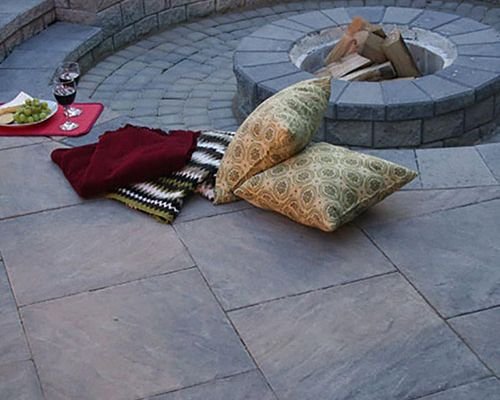
Emerging Trends and Innovations Shaping Future Toronto Yards
Looking ahead, landscape design in Toronto is poised to become more innovative and eco-conscious as new technologies and ideas take hold. Smart irrigation systems equipped with weather sensors and soil moisture monitors are increasingly common, automatically adjusting watering schedules to conserve water while keeping plants healthy. These tools make yard maintenance more efficient and help homeowners stay aligned with their sustainability goals, even amid Toronto’s unpredictable weather patterns.
Recycled and sustainably sourced materials are gaining popularity, offering both environmental benefits and modern aesthetics. Composite decking made from recycled plastics, reclaimed stone, and sustainably harvested wood not only reduce waste but also stand up better against Toronto’s seasonal climate. These durable materials lower long-term maintenance costs and extend the lifespan of outdoor features, making them an investment in both beauty and sustainability.
Lighting technology is evolving swiftly, with solar-powered LEDs and smart fixtures that can be customized via smartphone apps. Homeowners can easily create vibrant, lively atmospheres for evening gatherings or soft, relaxing environments for quiet nights. These advancements make outdoor spaces more functional and inviting year-round, encouraging more frequent use and enhancing the overall outdoor experience.
Design flexibility is also expanding through modular features like portable planters, adjustable seating, and reconfigurable zones. These elements allow homeowners to adapt their yards to changing needs or seasons without significant renovations. The ability to refresh and personalize outdoor spaces effortlessly keeps them relevant and engaging over time, aligning with the modern desire for versatile living environments.
Technologies that blend sustainability with convenience are transforming how yards are enjoyed and maintained. From integrated water-saving features to eco-friendly materials and smart systems, these innovations ensure outdoor retreats remain resilient and low-maintenance. As these trends become more accessible and affordable, they will shape Toronto’s outdoor spaces into smarter, greener, and more personalized retreats.
In embracing these innovations, homeowners can create yards that are not only visually stunning but also environmentally responsible and adaptable for years to come. The future of landscape design in Toronto lies in a seamless integration of technology, sustainability, and personal expression—crafting outdoor retreats that truly enhance daily life while respecting the planet.