In a world dominated by digital interactions, could the simple act of gardening together unlock profound emotional bonds and foster healing? This exploration reveals that tending to a shared garden is more than a routine activity—it’s a transformative experience that cultivates trust, patience, and mutual support. As hands dig into the soil, routines of planting, watering, and harvesting become meditative acts that reduce stress and encourage mindfulness. Working side by side, partners learn to communicate, problem-solve, and persevere through setbacks, strengthening resilience and emotional intimacy. The act of nurturing life together mirrors the growth of relationships—gradual, requiring care, patience, and persistent effort. Could this quiet, grounding activity be the key to reconnecting with ourselves and each other amidst our fast-paced, disconnected world? Gardening, it seems, isn’t just about plants—it’s a powerful pathway to authentic connection and emotional well-being.

Cultivating Connection: How Gardening Together Fosters Healing and Trust
Gardening together goes beyond simply planting and watering; it creates a space where genuine connection can grow. In a world increasingly dominated by screens and rapid communication, sharing outdoor moments offers a grounding, calming alternative. There’s something inherently peaceful about working side by side in the soil—whether it’s planting seeds or tending mature plants—that fosters trust and teamwork in ways words often can’t. These shared activities become quiet acts of support, building bonds that deepen over time.
When people care for a garden collectively, they learn to rely on each other’s judgment and effort. Passing tools, discussing next steps, or troubleshooting issues together naturally open lines of communication. These small exchanges help deepen understanding and turn routine chores into meaningful moments. Over time, tending a garden transforms into a powerful way to nurture relationships, rooted in cooperation and mutual effort.
Gardening also offers a therapeutic escape from daily stress. The rhythmic tasks of watering, pruning, and harvesting encourage mindfulness and presence. Doing this alongside someone else amplifies its calming effects, creating a shared routine that promotes emotional well-being. Slowing down to connect with nature and each other helps reduce anxiety and fosters a sense of calm that benefits everyone involved.
Moreover, working together in the garden cultivates patience and resilience. Growth takes time, and setbacks are part of the process—lessons that apply just as much to relationships as to plants. Facing challenges side by side teaches perseverance and problem-solving, reinforcing trust and emotional support. Watching plants thrive because of joint effort reminds us that caring, consistent effort leads to meaningful progress.
In a world that often feels disconnected, gardening becomes a space for authentic connection. It encourages conversations, promotes mutual understanding, and offers a shared sense of purpose. As soil is turned and seeds are planted, so too are the foundations for stronger, more resilient bonds. Tending a garden together becomes more than a hobby—it’s a quiet act of healing and a pathway to deeper bonds.
Core Principles of Gardening and Emotional Bonding
Gardening isn’t just about tending plants; it reflects qualities like nurturing, patience, and responsibility—traits that naturally extend into our emotional lives. When people work together to care for a shared space, these qualities foster trust and deepen bonds. It’s about more than watering or planting; it’s about jointly supporting something alive and watching the results of that effort. This shared responsibility creates a sense of mutual support that can strengthen relationships over time.
In the realm of emotional connection, gardening acts as a quiet facilitator of trust and empathy. Collaborating on tasks like planting flowers or harvesting vegetables opens channels for communication and shared achievement. Small gestures—passing tools, discussing next steps, or solving problems together—encourage teamwork and create meaningful interaction. These moments of cooperation lay a foundation of trust that extends beyond the garden into everyday life.
Healing through gardening relies on its grounding and mindful qualities. Engaging with soil, watering, and observing growth provides a calming rhythm that reduces stress and promotes emotional well-being. Doing these activities with someone else amplifies their effects, transforming routine chores into shared mindfulness. This routine encourages slowing down, being present, and connecting with nature—fostering a sense of calm that can help process emotions and restore balance.
Historically, gardening has played a vital role in strengthening community and family bonds. Communal gardens and family plots weren’t just about food—they fostered social cohesion and cultural continuity. These shared spaces promoted cooperation, responsibility, and patience across generations. This long-standing link between gardening and emotional health highlights how tending plants can serve as a powerful tool for connection rooted in shared effort and care.
At its core, gardening embodies themes like nurturing, patience, and shared achievement—principles that support emotional growth and healing. Caring for plants demands consistent effort and gentle attention, mirroring the patience required in relationships. Recognizing that growth takes time helps develop resilience, both in nurturing gardens and nurturing bonds. Watching progress—whether a sprout or a relationship—reminds us that meaningful change happens gradually and with care.
Gardening together also encourages emotional reflection. The act of caring for plants can serve as a gentle form of therapy, helping process feelings and reduce stress. The natural routines—planting, watering, harvesting—become meditative, especially when shared. These moments of quiet focus cultivate calm and presence, creating a space where emotional well-being can flourish and worries can fade.
The act of joint effort in a garden fosters resilience and trust. Facing seasonal changes and setbacks teaches patience and problem-solving, skills that carry over into daily life. Watching the garden thrive because of collective effort reinforces the idea that perseverance and gentle care lead to lasting growth. These shared experiences serve as a reminder that consistent, caring effort builds strength and trust.
Finally, tending a garden with someone else emphasizes that growth is a gradual process rooted in patience and care. Planting seeds and nurturing life together creates a space for mutual support that can weather life’s ups and downs. As the garden blossoms, so do the bonds cultivated through shared effort, making gardening a powerful way to foster emotional well-being and lasting connections.
Shared Gardens: The Path to Emotional Resilience and Well-Being
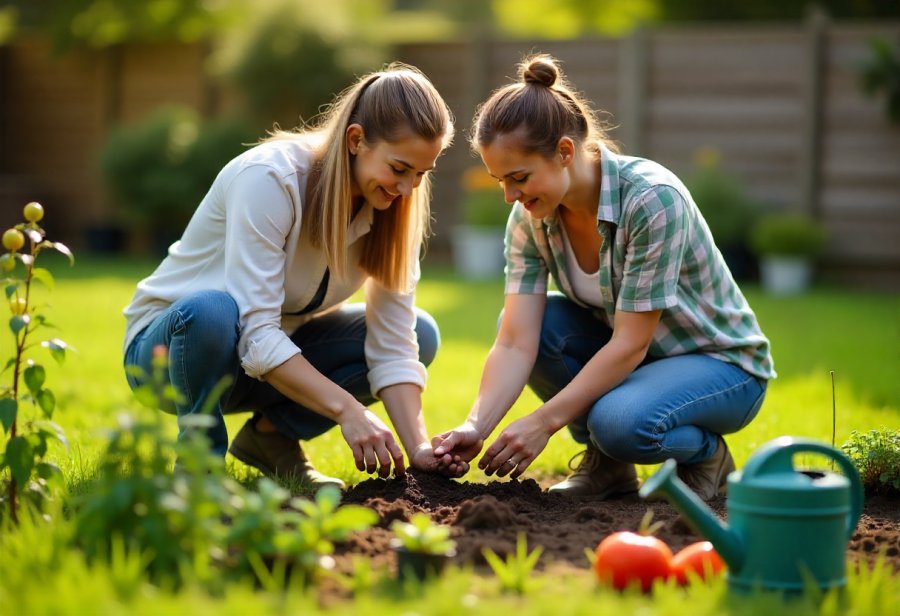
Tending a garden together naturally strengthens emotional bonds through cooperation, trust, and shared effort. When people work side by side—planting, watering, or weeding—they rely on each other’s skills and judgments, turning routine tasks into moments of connection. These small acts become opportunities for meaningful interaction, fostering a sense of teamwork and mutual support that deepens over time. Watching the garden flourish because of collective effort offers a powerful reminder that shared responsibility nurtures trust and resilience in relationships.
Gardening also provides a space for patience and open communication. Witnessing a garden grow from tiny seedlings to full bloom takes time, and setbacks are part of the process. Facing these challenges together teaches persistence and resilience, qualities that strengthen emotional intimacy. Overcoming obstacles side by side reinforces the understanding that growth—whether in plants or relationships—requires ongoing effort and gentle care, cultivating a deeper sense of trust.
The calming environment of the garden plays a crucial role in boosting well-being. The simple acts of feeling soil, observing plant cycles, and making small adjustments create a soothing rhythm that reduces stress. Sharing these routines enhances their therapeutic benefits, transforming routine chores into moments of shared mindfulness. Disconnecting from digital distractions during gardening fosters genuine presence and meaningful conversations, making the outdoor space a sanctuary for emotional recharge.
Beyond immediate relaxation, gardening provides a sense of purpose and achievement. Watching plants thrive because of collective effort sparks pride and confidence. Celebrating milestones—like the first sprout or a bountiful harvest—reinforces that patience and teamwork lead to tangible results. These shared successes deepen emotional bonds, reminding us that nurturing growth takes time, but the rewards are worth the effort.
Engaging in gardening as a team also acts as a form of gentle therapy. The physical act of caring for plants helps process emotions and promotes mental clarity. The routines of planting, watering, and harvesting become nearly meditative, especially when shared. These moments of quiet focus cultivate calm and presence, providing a safe space for reflection and emotional balance. As shared routines grow into a source of comfort, they strengthen resilience against life’s stresses.
Working together through seasonal changes and setbacks teaches perseverance and problem-solving. Facing these challenges side by side builds patience and trust, reinforcing the strength of the relationship. Watching the garden thrive under collective effort serves as a lasting symbol that consistent, gentle care fosters resilience—both for plants and for bonds. This ongoing process highlights how shared effort and mutual support can weather life’s ups and downs.
Finally, tending a garden as a team underscores that growth is a slow, deliberate process rooted in patience and care. Planting seeds and nurturing life together creates a foundation for mutual support that endures beyond the garden beds. As the plants blossom, so do the connections cultivated through shared effort. Gardening becomes a quiet act of healing, offering a pathway to deeper understanding, emotional resilience, and lasting bonds that flourish with time and attention.
Getting Started: Practical Steps to Grow Together and Heal
Getting started with shared gardening doesn’t have to be complicated. The most important step is choosing a space that feels accessible and inviting for everyone involved—whether it’s a backyard, balcony, or a community plot. Involving all participants in planning the layout and selecting what to grow creates a sense of ownership and enthusiasm from the outset. Decide together on simple goals, like planting herbs or easy vegetables, and assign clear roles for tasks such as planting, watering, and weeding. This organization helps everyone stay engaged and accountable.
Designing the garden collaboratively makes the activity more enjoyable and meaningful. Dividing the space into sections for different plants or activities allows each person to personalize their area, fostering a deeper connection to the process. Keeping initial goals manageable and expanding gradually helps build confidence and sustains interest. Regular tending—whether weekly or bi-weekly—establishes routines that reinforce shared commitment and keep everyone connected to the garden’s progress.
Routine tasks like watering and pruning become natural opportunities for conversation and teamwork. When each person has specific responsibilities, it prevents overwhelm and promotes a sense of shared accomplishment. Working through challenges together, whether pests or weather setbacks, strengthens problem-solving skills and resilience. Each obstacle faced as a team deepens trust and reinforces emotional bonds, transforming gardening into a learning experience for everyone involved.
Mindfulness naturally emerges during these routines. Focusing on soil textures, observing plant growth, and making small adjustments create a calming rhythm that benefits emotional health. Sharing these moments enhances their therapeutic effect, turning routine chores into shared acts of presence. Turning off digital distractions during gardening sessions allows conversations to flow more freely and helps foster genuine connection, making the garden a peaceful space for emotional recharge.
Celebrating small milestones—like the first sprout or a fruitful harvest—boosts motivation and pride. Recognizing these moments reinforces that patience and effort pay off, strengthening the bond between participants. These shared successes serve as reminders that nurturing growth requires ongoing care and teamwork, and that progress is a collective achievement.
Gardening together also acts as a gentle form of outdoor therapy. The physical act of caring for plants helps process emotions and clears the mind. The routines of planting, watering, and harvesting become almost meditative, especially when shared. These quiet moments foster a sense of calm and presence, providing space for emotional reflection and balance.
Finally, working through seasonal changes and setbacks teaches patience, perseverance, and adaptability. Facing these challenges side by side creates opportunities for problem-solving and mutual support. Watching the garden thrive because of collective effort becomes a powerful symbol of resilience and trust, illustrating how consistent, gentle care can nurture not only plants but also the relationships that matter most.
Embracing Growth: Reflecting on Gardening’s Power to Deepen Bonds and Promote Healing
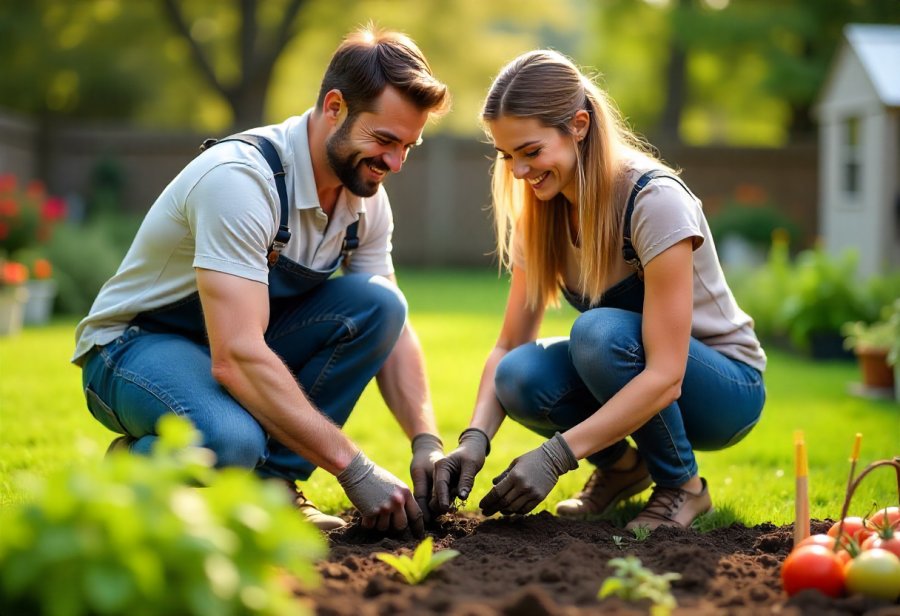
Gardening together isn’t just a shared hobby—it’s a quiet but powerful way to build deeper connections and promote healing. As we’ve explored, working side by side in the soil nurtures trust, encourages open communication, and teaches patience. These qualities don’t just help a garden thrive; they strengthen relationships, making them more resilient to life’s inevitable ups and downs. When people care for plants collectively, the act of tending becomes an act of mutual support that extends far beyond the garden bed, fostering a sense of belonging and emotional safety.
Watching a garden flourish because of shared effort reminds us that growth—whether personal or relational—takes time, persistence, and gentle attention. The routines of planting, watering, and harvesting serve as a natural metaphor for how relationships develop: gradually, with care, and through consistent effort. This process shows us that setbacks are part of the journey, offering opportunities to practice patience and resilience. Over time, these small acts of nurturing cultivate stronger bonds that can weather challenges, reinforcing the idea that consistent kindness and effort lead to lasting connection.
In today’s fast-paced, digital world, reconnecting with nature and each other through gardening offers a welcome reset. It encourages mindfulness and presence, helping to reduce stress and foster emotional well-being. Sharing this routine creates moments where conversations can flow more naturally, worries fade, and genuine understanding deepens. The garden becomes a sanctuary—a space where emotional wounds can begin to heal, simply by tending to life’s quiet cycles together. This act of caring becomes a form of outdoor therapy, enriching both mind and heart.
Finally, tending a garden as a team highlights that growth isn’t immediate but a slow, deliberate process rooted in patience and care. The shared experience of nurturing life teaches us that resilience and trust develop through ongoing effort. Watching the garden thrive because of collective dedication reminds us that relationships, like plants, flourish with consistent attention and gentle support. These moments of shared achievement serve as lasting symbols of strength and connection, reinforcing that the most meaningful growth often happens quietly, over time, in the soil of shared care.