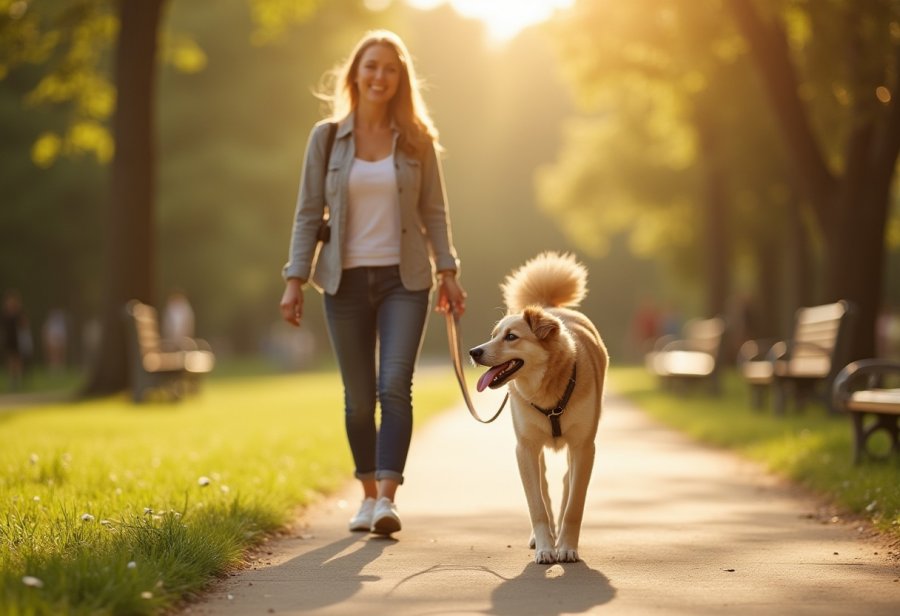
Imagine transforming your daily walks with your dog into moments of deep trust, calmness, and connection. Mastering the art of walking peacefully at your side isn’t just about obedience—it’s about building a bond rooted in communication, patience, and mutual respect. As this guide reveals, the journey to calm leash walking involves understanding your dog’s natural curiosity, establishing consistent routines, and employing gentle techniques like positive reinforcement and distraction redirection. But the question remains: how do you sustain this harmony amid distractions, environmental challenges, or setbacks? The answer lies in incremental training, steady routines, and a calm attitude, turning each walk into a shared experience of success and joy. Are you ready to unlock this peaceful, mutually rewarding connection that will transform everyday outings into moments of harmony and trust? With patience and persistence, every dog can learn to walk calmly—will you take the first step?
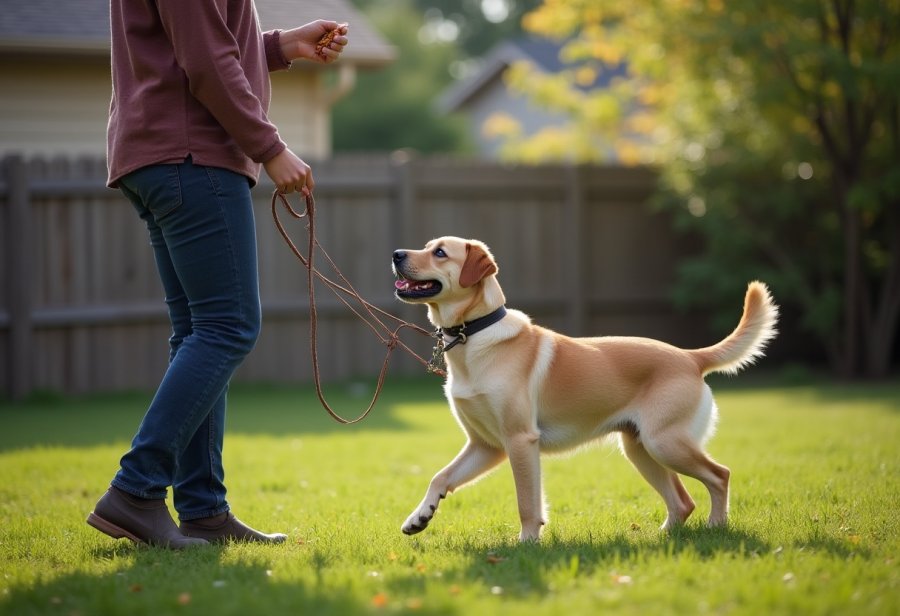
Transform Your Walks: Deepen Trust and Enjoy Peaceful, Connected Outings
A calm, connected walk with your dog isn’t just about reaching your destination; it’s an opportunity to deepen trust, improve communication, and truly enjoy each other’s company. When your dog walks politely at your side, the experience becomes peaceful and rewarding for both of you. These moments of relaxed companionship can reduce stress, prevent common behavioral issues like pulling or lunging, and turn everyday routines into bonding experiences. The effort to teach calmness during walks pays off in a stronger, more harmonious relationship.
Building this kind of connection takes patience, but the benefits are well worth it. When your dog learns to walk calmly without pulling, outings become less stressful and more predictable. A well-trained dog feels more secure and confident, which makes them more eager to cooperate and focus on you. As your bond strengthens, walks transform from chaotic to peaceful, making them enjoyable for everyone involved.
At the core of successful leash walking is clear communication and patience. Your dog needs to understand what’s expected—walking beside you calmly—and see that good behavior is rewarded. Positive reinforcement, like treats and praise, helps them associate calm walking with positive outcomes. Recognizing that dogs are naturally curious and distracted means you’ll need consistent cues and gentle corrections to keep their focus on you.
Understanding your dog’s natural tendencies can guide your training. Dogs are curious creatures, easily distracted by sights, sounds, and smells. Establishing routines and using predictable cues help your dog feel secure and eager to follow your lead. Over time, these routines become second nature, making peaceful walks the norm rather than the exception.
A peaceful walk benefits more than just your dog’s behavior—it also improves your own experience. Less pulling and distraction mean less frustration and more quality time together. It’s a chance to strengthen your bond, teach self-control, and enjoy the outdoors without stress. With patience and consistency, calm leash walking becomes a natural part of your shared life, turning daily outings into moments of trust and happiness.
Foundations of Calm Dog Walking: Master Core Principles and Build Trust
Understanding the core principles behind calm dog walking is key to laying a solid foundation in leash training. At its heart, successful walking depends on clear communication, consistency, and patience. Your dog needs to learn that walking calmly by your side is both expected and rewarding. Using positive reinforcement—like treats, praise, or a gentle tone—strengthens good behavior and keeps your dog focused on you. Recognizing that dogs are naturally curious and easily distracted means you should develop strategies, such as consistent cues and gentle corrections, to maintain their attention.
Creating a peaceful walking environment begins with your own mindset. Staying relaxed, taking steady breaths, and maintaining calm, predictable body language set the tone for your dog. Short, frequent training sessions with rewards reinforce calm walking as a positive experience. Minimizing external stimuli by choosing quiet routes or walking at less busy times helps your dog stay focused and relaxed, making it easier for them to respond to cues.
Building trust and improving communication are essential. Simple actions like consistent cues, eye contact, and praising your dog when they respond correctly help reinforce that you’re a reliable guide. These small, steady interactions lay the groundwork for a calm, attentive dog who feels secure and eager to please. Teaching commands like “heel” begins with guiding your dog into the correct position and reinforcing that with a steady cue.
Choosing the right environment also makes a difference. Start in low-stimulation areas, then gradually introduce distractions as your dog gets better at staying calm. Reward their focus at each step to build resilience. Patience remains vital—every dog learns at their own pace, and steady routines foster confidence and security. These foundational principles set the stage for longer, more peaceful walks ahead.
Practical Techniques for Calm Walks: Exercises and Methods to Soothe Your Dog
Achieving calmness during walks starts with choosing environments that promote focus. Begin in quiet, low-stimulation areas where your dog can learn to stay relaxed without being overwhelmed. Short training sessions in these calm settings help your dog build confidence and develop a habit of calm attention. Consistently rewarding relaxed behavior with treats and praise encourages your dog to repeat those good responses, laying the groundwork for more challenging situations later.
Incorporating “stop and relax” moments into your walk is a powerful technique. When your dog shows signs of distraction or excitement, gently pause and ask for a calm response, like sitting or maintaining eye contact. Reward immediately when they comply, reinforcing that stillness and focus lead to positive outcomes. Keep your body language relaxed and steady, as dogs are very attuned to your energy, and calm signals help them settle.
Maintaining a steady, gentle pace signals to your dog that there’s no rush. When they pull ahead, stop walking and wait patiently until the leash slackens. This clear response teaches that pulling won’t get them where they want to go; instead, calm walking results in smoother outings. As your dog improves, gradually introduce more distractions, rewarding their calm reactions at each stage to build resilience and focus.
Redirecting your dog’s attention is essential when they become reactive or distracted. Use cues like “look at me” or “focus,” paired with treats, to shift their focus back to you. Consistent redirection, combined with positive reinforcement, helps diminish reactive behaviors and makes walks more peaceful. Your tone and attitude play a crucial role—speak softly, move steadily, and stay calm to project confidence and reassurance.
Regular practice of these techniques turns calm leash walking into a natural part of your routine. Keep sessions brief and positive, ending on a good note to prevent fatigue or frustration. Over time, your dog will learn that staying relaxed and attentive leads to rewarding, stress-free walks. With patience and persistence, these methods create a peaceful rhythm in your outings, strengthening your bond and making every walk a shared moment of trust and harmony.
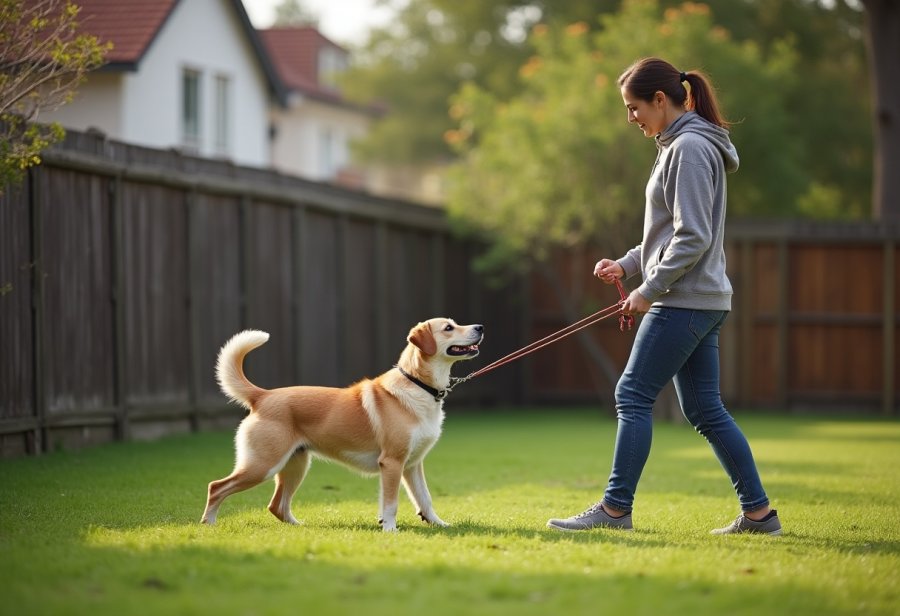
Implementing Calm Walks in Daily Life: Make Peaceful Routine a Habit
Integrating calm walks into your daily routine hinges on consistency. Setting specific times each day for walks creates a predictable structure that helps your dog feel secure and focused. Starting with familiar, low-stimulation routes allows your dog to practice calm behavior in a controlled environment, building confidence step by step. As they become more comfortable, gradually introduce busier settings, rewarding their calmness along the way to reinforce the behavior. This steady progression teaches your dog to stay attentive and relaxed no matter the surroundings.
Keep training sessions short and positive. Instead of lengthy, exhausting walks, opt for frequent, manageable outings that reinforce good habits without overwhelming your dog. Incorporate cues like “heel” or “focus” during everyday moments—crossing streets, passing other dogs—to deepen their understanding. Reward calm, attentive responses with treats or praise, making these cues a routine part of your walks that promotes relaxation and focus.
Consistency in your routines and clear signals helps your dog understand what’s expected. Maintain a steady pace, avoid sudden movements, and keep your body language calm and predictable. When your dog pulls or gets distracted, gently pause and redirect their focus back to you. This consistent response shows them that calmness leads to positive outcomes, whether in your neighborhood or a busy park, gradually making peaceful walks the norm.
Patience is essential, especially when facing new environments or stimuli. Some days will be smoother than others, but celebrating small successes keeps motivation high. If setbacks occur, simplify the environment or slow down your pace until your dog regains focus. Remember, progress isn’t always linear, and steady, persistent effort will turn calm, connected walks into a natural, dependable part of your routine.
By weaving these practices into everyday life, you reinforce your dog’s training and strengthen your bond. The more you practice in different settings, the more your dog will respond with calmness and focus. Over time, peaceful walks become a shared routine—moments of trust, communication, and joy that enrich your relationship and make every outing a positive experience.
Maintaining Calmness Over Time: Strategies to Keep Your Dog Relaxed Everywhere
Maintaining calm walking behavior over time relies on consistent practice in a variety of settings. Repetition in different environments reinforces your dog’s understanding that peaceful walking isn’t just a momentary achievement but a lasting expectation. Regularly exposing your dog to new sights, sounds, and distractions in controlled ways helps build resilience, making it easier for them to stay focused and relaxed, no matter where you are.
Sticking to familiar cues and routines creates a sense of predictability that your dog finds reassuring. Whether it’s how you hold the leash, the tone of your voice, or specific commands like “heel” or “focus,” consistency helps your dog respond instinctively. When they know what’s coming and see that calmness is always rewarded, they’re more likely to stay relaxed in unfamiliar or busy settings.
Patience remains crucial as your dog encounters more stimulating environments. Some days will test their ability to remain calm, but celebrating small wins—like longer walks without pulling or steady focus in new places—keeps motivation high. If setbacks happen, simplify the environment or slow down your pace to help your dog regain composure. Over time, these setbacks become part of the learning process, strengthening their resilience.
Long-term success depends on ongoing reinforcement. Periodic refreshers of basic cues and rewards for calm responses prevent old habits from creeping back. As your dog gains confidence, they’ll generalize their calmness across different settings, turning peaceful walks into a dependable routine. This consistency not only sharpens their focus but deepens your bond, making every outing a shared moment of trust.
Every dog is unique, so adapt your approach based on their temperament and progress. Some will master calm walks quickly, while others need more gentle patience. By maintaining steady routines and rewarding calm behavior, you reinforce that peaceful, connected walks are the default—transforming daily outings into opportunities for trust, communication, and mutual joy that last well beyond training sessions.
Executing Your Training Plan: Step-by-Step to Consistent Calm Leash Walking
Putting your calm leash training into practice means establishing a routine that becomes second nature for both you and your dog. Consistency is key, so aim to walk at the same times each day, helping your dog anticipate and settle into the routine. Starting in quiet, familiar environments allows your dog to focus on your cues without too many distractions, building confidence and reinforcing good habits. As they improve, gradually introduce busier settings, rewarding calm behavior along the way to strengthen their focus across different situations.
During each walk, use the same cues and body language you’ve practiced—keep your movements steady and your tone calm. When your dog pulls or gets distracted, immediately stop and wait patiently until the leash slackens. Once they refocus on you, praise or reward them generously. This teaches that patience and attention lead to positive outcomes, while pulling only halts progress. Short, frequent sessions—around five to ten minutes—make training manageable and prevent frustration or fatigue.
Reinforce good behavior consistently with treats or praise, making sure your dog understands that staying attentive and calm is always rewarded. Review your progress regularly, celebrating small wins like walking longer without pulling or maintaining focus in challenging spots. If setbacks occur, analyze what caused them—perhaps environmental factors or timing—and adjust your approach accordingly. Sometimes, simplifying the environment or slowing your pace helps your dog regain composure.
Stick to your routine, and maintain a calm, confident attitude. Dogs respond strongly to your energy, so moving steadily and speaking softly will help them stay relaxed. Patience is essential; every dog learns at their own speed. With persistent effort and gentle guidance, calm leash walking will become a reliable, shared habit that transforms your daily outings into moments of trust and connection.
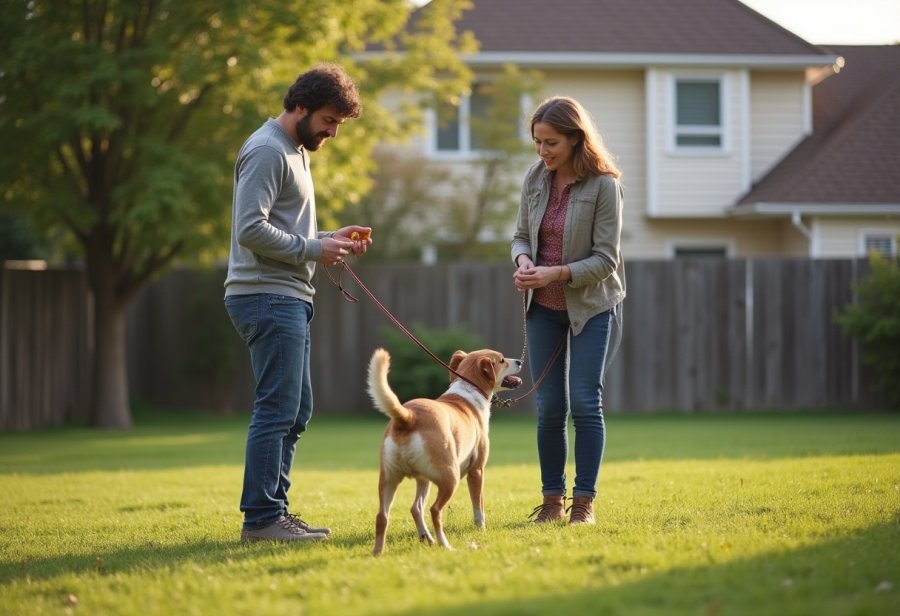
Overcoming Challenges: Solutions to Common Obstacles in Calm Dog Walking
Challenges are a natural part of mastering calm leash walking, but knowing how to handle them can make all the difference. Distractions like other dogs, squirrels, or loud noises tend to pull your dog’s focus away instantly. The key is to introduce these stimuli gradually and in controlled environments, rewarding your dog for calm reactions along the way. When they respond well despite the distractions, it builds confidence and shows them that staying focused pays off.
Some dogs become overly excited or anxious in unfamiliar surroundings or noisy settings. Patience and slow, incremental exposure are your best tools. Keep training sessions short, positive, and reward relaxed behavior to help your dog stay calm amid chaos. If your dog tends to pull or lunge at other animals or people, redirect their attention with cues like “look at me” or “focus,” paired with treats. This shift in focus gradually diminishes reactive behaviors and encourages peaceful walks.
Resistance or stubbornness often comes from inconsistent cues or unclear signals. Reinforce commands regularly with a calm, steady tone, and avoid rushing or showing frustration. When your dog gets overwhelmed, take a step back—simplify the environment or slow your pace—and practice until they respond more reliably. Consistency and calm persistence are your best allies in these moments.
Long walks or overtraining can lead to fatigue, making it harder to maintain calmness. Keep training brief—around five to ten minutes—and end on a positive note. If your dog starts to lose focus or becomes overwhelmed, pause, give them a break, and resume later. This approach keeps training enjoyable and prevents setbacks caused by frustration or exhaustion.
Remember, setbacks aren’t failures—they’re part of the learning process. If your dog slips back into old habits, analyze what triggered the change and adjust your approach. Lowering expectations temporarily or choosing a quieter environment can help reset progress. With patience, persistence, and a calm attitude, your dog will learn to stay relaxed, even through challenges, making calm, connected walks a lasting part of your routine.