Step into the secret world of backyard mechanics, where each garage is more than just a workspace—it’s a sanctuary of passion, craftsmanship, and personal history. This exploration reveals how these spaces are personalized retreats filled with vintage memorabilia, innovative tools, and stories of resilience. From restoring classic cars to blending traditional techniques with cutting-edge technology like 3D printing and electric conversions, enthusiasts transform rust into revival with patience and love. Their stories, filled with victories over hidden rust patches and rare parts hunts, highlight a deep emotional connection—turning routine repairs into heartfelt acts of preservation and legacy. As society shifts toward sustainability and digital collaboration, the future of backyard restoration is poised to grow more innovative and inclusive. But what secrets lie behind this ritual of revival—beyond the nuts and bolts—what drives these mechanics to keep their passion alive? This journey into their world reveals a timeless dance between history, innovation, and personal expression.
Discover the Backyard Mechanic’s Sanctuary: A Personal Haven of Passion and Craftsmanship
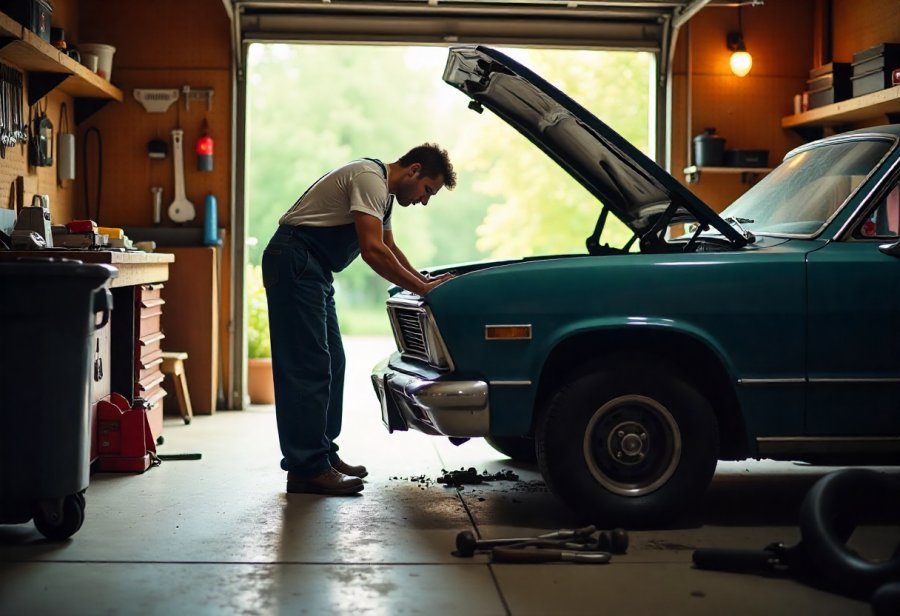
The garage isn’t just a place to store tools or cars; for many backyard mechanics, it’s a personal sanctuary where passion and craftsmanship come alive. It’s a space that reflects the owner’s personality, filled with memorabilia, vintage signs, and tools that tell their story. Every item has a purpose, every corner invites creativity, transforming a simple workshop into a haven of focus and pride.
Working in this environment offers more than just technical satisfaction. It’s an escape from daily routines—a quiet retreat where time slows down, and attention to detail becomes a form of meditation. Whether tuning an engine or polishing a bumper, each task demands patience and precision, turning routine repairs into rewarding rituals. Over hours or days, these small acts of craftsmanship build a sense of achievement that’s hard to find elsewhere.
The garage becomes a reflection of dedication and love for mechanical artistry. Enthusiasts often blend traditional methods with modern tools, creating a space that balances history and innovation. Classic hand tools coexist with digital diagnostics, allowing for meticulous work on projects ranging from engine rebuilds to body restorations. This mix enables hobbyists to take on complex tasks with confidence, pushing the boundaries of what their home workshops can achieve.
Beyond the technical, the garage nurtures emotional connections. Many describe it as a place where memories are revived—restoring a family car, revisiting childhood dreams, or passing down skills through generations. It’s a space that fosters patience, resilience, and growth, where setbacks become lessons and successes fuel motivation. Each bolt tightened and each part restored adds to a sense of mastery, making the garage a true sanctuary of personal achievement.
This environment isn’t just about fixing machines; it’s about creating a legacy. The garage becomes a canvas for individual expression, celebrating craftsmanship and storytelling through every project. It encourages exploration, whether through clever custom setups or innovative techniques. For many, it’s a place to unwind, problem-solve, and stay connected to a tradition that spans generations.
In essence, the backyard mechanic’s garage embodies more than just a workspace—it’s a reflection of passion, patience, and perseverance. It’s where rust turns into revival, and old machines find new life through skill and love. As the space evolves, it remains a vital hub for those who see restoration as an art form, a way to preserve history, and a personal journey of growth.
Tracing the Roots: How Society and Culture Shaped DIY Car Restoration
The roots of backyard car restoration run deep, intertwined with societal shifts and cultural movements that have shaped the hobby over decades. After World War II, returning veterans and a rising middle class fueled a surge in car ownership, sparking renewed interest in personalizing and restoring vehicles. During this period, garages transformed from simple storage spaces into creative hubs where pride and craftsmanship were on display. Enthusiasts began viewing their garages as places to showcase their skills and express individual style through detailed restorations.
As society placed greater value on self-reliance and hands-on skills, the garage became a sanctuary for those eager to revive vintage cars. The post-war boom made owning a classic more than just transportation; it became a symbol of status, freedom, and nostalgia. Restoring these vehicles became a way to preserve history, forge community bonds through clubs and shows, and pass down skills across generations. Car meets and local gatherings fostered shared enthusiasm, with hobbyists exchanging techniques, parts, and stories, strengthening a collective identity rooted in craftsmanship.
Over time, the focus shifted from basic repairs to authentic restorations that honor original designs. Hobbyists began sourcing original parts and meticulously recreating factory specifications, driven by a cultural appreciation for craftsmanship and history. The garage became a space where skills were handed down, blending traditional methods with emerging technologies. This evolution allowed enthusiasts to take on more complex projects, deepening their connection to automotive heritage and craftsmanship.
Nostalgia also plays a significant role in this story. Many restorers see vintage cars as tangible links to childhood memories or family traditions. Restoring a beloved model becomes an emotional act of remembrance, keeping stories and legacies alive. This desire to preserve heritage fuels ongoing passion, making each project more than a technical task—it’s a heartfelt journey to reconnect with the past and honor those who came before.
In recent years, societal values like sustainability and environmental awareness have influenced restoration practices. Recycled parts, eco-friendly paints, and electric conversions reflect a conscious effort to balance passion with responsibility. Despite these shifts, the core motivations—love for craftsmanship, history, and personal expression—remain unchanged. The backyard garage continues to be a space where history is preserved, skills are passed on, and the spirit of revival endures across generations.
The Modern Garage: A Creative Space Merging Tradition and Innovation
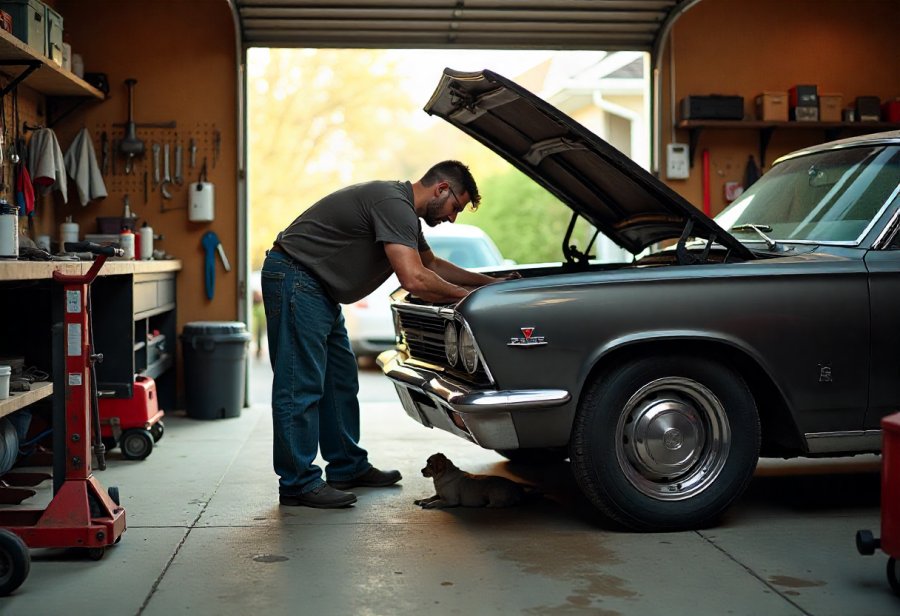
Today’s backyard garages have become much more than basic storage spaces; they’re personalized sanctuaries where craftsmanship and creativity flourish. Enthusiasts pour their personality into every corner, transforming these spaces into inspiring workshops that reflect their unique passions and styles. From custom workbenches to vintage signs and thoughtfully chosen lighting, each element contributes to an environment that fuels focus and motivation. Some even craft wall-mounted tool organizers or display shelves filled with memorabilia, making the space both functional and a reflection of their identity.
Modern restoration tools blend traditional craftsmanship with cutting-edge technology, turning the garage into a versatile hub for detailed work. Digital diagnostics and precision equipment sit comfortably alongside classic hand tools, giving backyard mechanics the confidence to delve into complex projects—from engine rebuilds to bodywork. This combination allows for meticulous craftsmanship and greater efficiency, helping hobbyists push their limits without leaving home. The garage becomes a space where skills are sharpened, and innovative techniques are explored, merging the old with the new seamlessly.
Within these personalized spaces, core areas like engine work, body repairs, and detailing often take center stage. Restoring an engine involves disassembly, cleaning, and precise reassembly—often aided by digital tools that simplify complex tasks. Bodywork may include rust removal, dent repairs, and repainting, transforming battered shells into eye-catching classics. Every polished chrome detail or restored interior showcases the mechanic’s dedication and skill, turning each project into an evolving story of transformation driven by patience and craftsmanship.
Behind the scenes, many enthusiasts develop clever tricks and custom setups that make their work more engaging. They craft unique tool mounts, hide rare parts in secret compartments, or adapt vintage techniques passed down through generations. These small innovations turn routine repairs into moments of discovery, sparking new ideas and adding a personal touch. Finding a rare tool tucked away or devising a clever workaround for rust problems fuels enthusiasm and deepens their connection to the project.
For many, working on vintage cars is more than just a technical challenge—it’s a deeply personal journey. Their garages serve as therapeutic retreats where stress melts away and focus takes over. Each successful rebuild or polished finish reinforces their confidence and passion, transforming frustration into pride. These projects become meditative acts of patience and problem-solving, fostering skills that extend beyond the garage and into everyday life.
The modern backyard garage is also a space for experimentation. Enthusiasts now blend traditional techniques with innovations like 3D printing or electric conversions, breathing new life into old vehicles. Online communities and tutorials offer endless inspiration and guidance, making it easier than ever to learn and share. This dynamic exchange of ideas keeps the hobby fresh, accessible, and exciting for all levels of expertise.
Ultimately, these garages are more than workshops—they’re personal labs of creativity and resilience. They embody a passion rooted in tradition but constantly evolving through new tools and ideas. As hobbyists continue to turn rust into revival, their spaces remain vital centers for expression, learning, and community. Each project reflects individual dedication, ensuring that the spirit of backyard restoration thrives and inspires future generations of craftsmen.
Real-Life Stories of Resilience, Pride, and Personal Growth in Restoration Projects
Many backyard mechanics have stories that highlight the deep emotional and practical rewards of their restoration projects. One enthusiast recalls months spent hunting down rare parts for a vintage Mustang, often digging through old manuals and forums for hidden tricks. When the engine finally roared back to life, it felt like reclaiming a piece of history—an achievement built on patience and perseverance. These moments of success aren’t just technical victories; they’re personal milestones that reinforce a sense of pride and connection to something greater.
Others find their garage acts as a retreat from daily stress. Focusing on a project—whether fine-tuning an engine or restoring a battered body panel—turns frustration into accomplishment. The quiet concentration involved provides clarity and a feeling of control, transforming the space into a personal sanctuary. Over time, even small wins, like a smooth paint job or a properly timed engine, bolster confidence and deepen their love for the craft.
Watching a rusty shell turn into a shining classic is a powerful experience many remember vividly. The thrill of hearing a freshly rebuilt engine run smoothly or seeing a dent disappear under careful bodywork makes all the hard work worthwhile. Every polished detail or successful repair serves as proof that patience and attention to detail pay off, fueling the passion to take on more ambitious projects.
Restoration often uncovers surprises—hidden rust patches, vintage parts tucked away, or quirky mechanical issues. These discoveries turn routine repairs into adventures, sparking excitement and a sense of mastery. Finding a rare tool or devising a clever fix for a stubborn problem adds a personal touch to each project, reinforcing the bond between the mechanic and their work. It’s these small victories that keep the fire alive and motivate continued learning.
Beyond the technical, many see their garage as a space where memories come alive. Restoring a family car or a childhood favorite brings back stories and shared experiences, creating a sense of continuity across generations. Each project becomes an emotional journey, honoring ancestors and preserving a legacy. This personal connection elevates restoration from mere craftsmanship to a heartfelt act of remembrance and love.
These stories of resilience and passion reflect the core of backyard restoration. Each engine rebuilt and every body panel restored teaches patience, problem-solving, and humility. Many find that skills learned here translate into everyday life—developing attention to detail, resilience, and a willingness to keep learning. These personal narratives reveal how a garage filled with rust and tools can become a space where dreams are revived, stories rewritten, and lifelong passions ignited.
Looking Forward: Innovations and Trends Reshaping the Future of Backyard Restoration
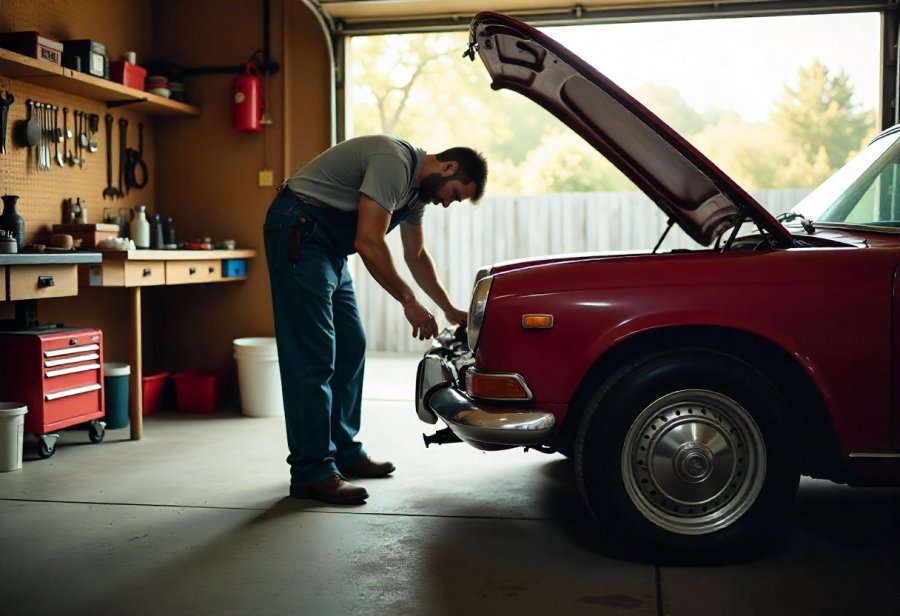
The future of backyard car restoration is set to be as innovative as it is passionate. Advances in digital technology, such as 3D printing, are opening new possibilities for recreating rare or obsolete parts with remarkable precision. This not only helps preserve authenticity but also makes complex restorations more accessible and affordable for enthusiasts working in their home garages. As these tools become more user-friendly, hobbyists can push the boundaries of what’s achievable, turning their visions into reality with greater ease.
Electric vehicle conversions are gaining momentum among backyard restorers. Many see them as a way to blend classic aesthetics with modern performance and sustainability. Improvements in battery technology and the decreasing costs of electric components mean more hobbyists are experimenting with electrifying vintage cars. This trend is transforming the hobby from purely nostalgic to forward-looking, allowing restorers to create vehicles that honor the past while embracing the future. It’s an exciting evolution that keeps the spirit of revival alive in new and unexpected ways.
Online communities and tutorials continue to play a vital role in shaping the hobby’s trajectory. Digital platforms—forums, social media groups, YouTube channels—offer a treasure trove of shared knowledge and inspiration. These spaces foster a sense of connection across generations and geographic boundaries, making learning more accessible. Whether troubleshooting a tricky engine issue or showcasing a freshly restored project, these exchanges keep enthusiasm high and skills sharp, creating a vibrant culture of collaboration and innovation.
Sustainability is increasingly influencing how projects are approached. Restorers are adopting eco-friendly practices like recycling parts, using environmentally safe paints, and exploring electric conversions. This shift aligns the hobby with broader cultural values around responsibility and conservation, appealing to a new generation of environmentally conscious enthusiasts. It also encourages creative solutions, pushing hobbyists to think beyond traditional methods and develop greener ways to revive and maintain their vehicles.
Looking ahead, the combination of technological progress and a connected community promises a dynamic future for backyard restoration. Tools and techniques will become even more sophisticated yet more accessible, enabling hobbyists to achieve results that once seemed out of reach. As digital platforms facilitate sharing and collaboration, the hobby will continue to evolve—more inclusive, innovative, and exciting than ever. Amid these changes, the core love for craftsmanship, history, and personal expression will remain central, ensuring that the spirit of revival endures and inspires new generations to turn rust into revival.