Contrary to Hollywood’s glamorous portrayal, Cleopatra VII emerges as a formidable leader whose true power lay in her intellect, diplomacy, and strategic mastery. Her legacy challenges stereotypes, revealing a ruler deeply committed to knowledge, cultural fluency, and resilience amid turbulent political currents. From her mastery of multiple languages to her patronage of Alexandria’s famed library, Cleopatra exemplified how wisdom and adaptability can forge lasting influence. Her alliances with Julius Caesar and Mark Antony were calculated moves to preserve Egypt’s independence, not merely personal or romantic pursuits. As a scholar-queen, she navigated complex environments with patience and foresight, demonstrating that effective leadership hinges on understanding your environment and building alliances rooted in trust. Could her enduring impact be a testament to the power of the mind over superficial charm? In a world of rapid change, her story offers timeless lessons: true leadership is rooted in knowledge, resilience, and cultural insight, inspiring future generations to lead with strength and wisdom.
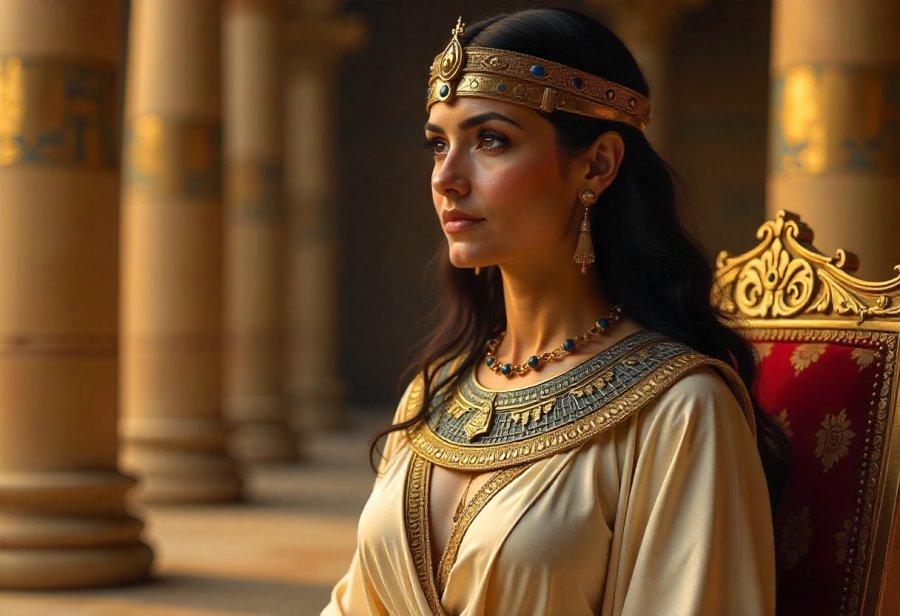
Unveiling Cleopatra: The Scholar-Queen Beyond Glamour
Cleopatra VII is often remembered through Hollywood’s lens as a glamorous seductress, but the true story of her as a ruler reveals a far more impressive and inspiring figure. She was not just a beautiful face; she was a highly educated woman who used her intelligence and strategic thinking to steer Egypt through some of its most turbulent times. Fluent in multiple languages and well-versed in diplomacy, Cleopatra combined her scholarly pursuits with political acumen, making her a formidable leader rather than simply a romantic icon.
Her legacy is rooted in her sharp political instincts and mastery of diplomacy. Cleopatra understood that real power wasn’t just about authority but about building alliances and making informed decisions. Her relationships with Rome’s key figures, Julius Caesar and Mark Antony, were strategic moves designed to safeguard Egypt’s independence. These alliances weren’t based on vanity—they reflected her deep understanding of geopolitics and her kingdom’s survival. She also patronized Alexandria’s legendary Library and studied philosophy, mathematics, and astronomy, demonstrating her genuine passion for knowledge and learning.
Instead of relying solely on superficial charm or glamour, Cleopatra’s leadership was characterized by resilience, wit, and a deep understanding of her environment. She navigated complex political landscapes with patience and strategic foresight, knowing when to assert her authority and when to build alliances. Her multilingual abilities and cultural fluency allowed her to communicate effectively across diverse audiences—from Egyptian priests to Roman senators—further strengthening her position. Her leadership was about more than just appearances; it was rooted in her intellect, strategic thinking, and ability to adapt.
What makes Cleopatra’s story truly compelling is how her leadership defies stereotypes. She was a scholar-queen who dedicated herself to learning and understanding her world. Her patronage of the arts and sciences, along with her diplomatic skills, show how intelligence and cultural awareness can be powerful tools for governance. Her legacy teaches us that effective leadership is built on knowledge, resilience, and the ability to adapt—traits that remain relevant today. Cleopatra’s influence endures because she proved that true power resides in the mind, not just in beauty or charm.
Heritage and Power: The Macedonian Roots and Egypt’s Political Tapestry
Cleopatra VII’s reign did not unfold in a vacuum; it was shaped by a rich and complex political landscape that blended Greek and Egyptian traditions. As a member of the Ptolemaic dynasty, she inherited a throne established by Macedonian Greek generals following Alexander the Great’s empire division. Her ancestors, Macedonian rulers and administrators, maintained a court rooted in Hellenistic customs—emphasizing Greek language, art, and governance—yet they ruled over a land with a deep Egyptian cultural identity. This created a unique environment where Greek and Egyptian influences intertwined, sometimes blending harmoniously, other times clashing.
From a young age, Cleopatra was immersed in this hybrid world. Her education covered philosophy, mathematics, politics, and language—an uncommon privilege for women of her era. She was trained to understand both Greek traditions and Egyptian religious and societal norms, equipping her with a broad perspective on leadership. This dual heritage became a strategic advantage, enabling her to communicate effectively with Greek courtiers and Egyptian priests alike, forging alliances across cultural divides.
Egypt during Cleopatra’s time was a thriving center of commerce, scholarship, and religious activity. However, its independence was increasingly under threat as Rome’s influence expanded across the Mediterranean. Internally, Egypt faced factional struggles and questions of legitimacy, complicating Cleopatra’s path to the throne. Her accession involved intricate political maneuvering, often balancing rival factions and external pressures. Her relationships with powerful Roman figures like Julius Caesar and Mark Antony were not mere personal alliances—they were calculated moves to preserve Egypt’s sovereignty amid a rapidly changing geopolitical landscape.
As the Roman Republic transitioned into an empire, its reach stretched ever farther. Cleopatra’s alliances with Caesar and Antony were strategic, designed to secure her kingdom’s survival. These partnerships helped her stabilize her rule during turbulent times, demonstrating her ability to adapt to shifting allegiances and power dynamics. Her diplomatic finesse was rooted in a keen understanding of both Egyptian traditions and the new realities of Roman dominance, allowing her to navigate complex political currents with precision.
Her patronage of Alexandria’s legendary Library further reflected her dedication to knowledge and learning. The library, a symbol of intellectual pursuit, attracted scholars from across the Mediterranean, and Cleopatra positioned herself as a protector of this scholarly legacy. Her personal engagement with philosophy, astronomy, and languages underscored her belief that wisdom was a vital tool for leadership. This commitment to scholarship complemented her political strategy, helping her craft policies that balanced tradition with innovation.
Throughout her reign, Cleopatra’s leadership was characterized by resilience, cultural fluency, and strategic foresight. She mastered the art of reading her environment—whether religious, cultural, or political—and responding with calculated moves. Her ability to bridge diverse worlds and adapt quickly made her a formidable ruler. Her story exemplifies how understanding your cultural and political landscape is essential for sustainable influence, a lesson that remains relevant in leadership today.
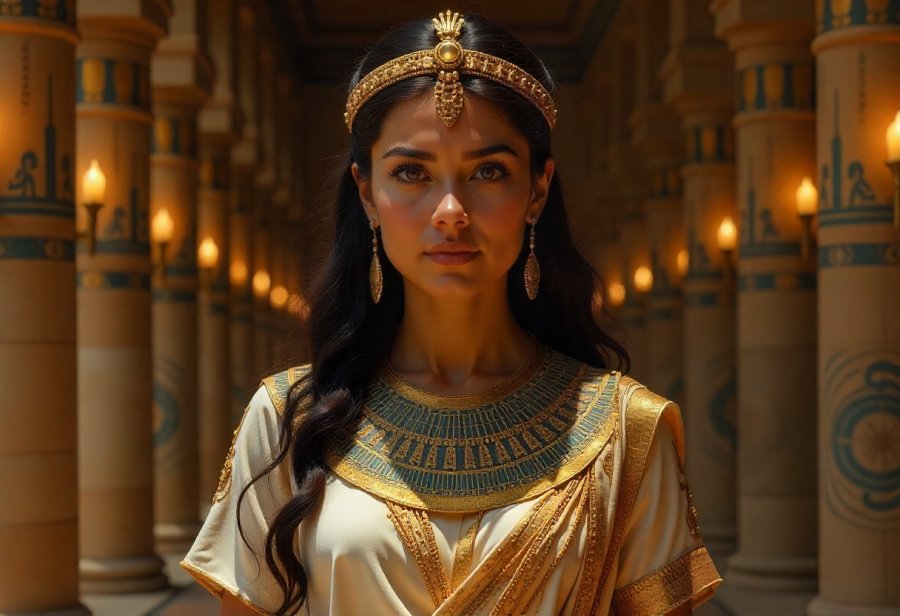
Master of Strategy: Cleopatra’s Diplomatic and Leadership Tactics
Cleopatra’s leadership style was defined by her ability to blend diplomacy with strategic insight, making her a master at navigating the intricate political landscape of her time. She understood that power wasn’t solely about authority; it depended on forging alliances, reading her opponents carefully, and adjusting her approach as circumstances demanded. Her relationships with Roman figures like Julius Caesar and Mark Antony weren’t driven by vanity but by clear-eyed calculations aimed at strengthening Egypt’s position and ensuring its independence.
Her decision-making process was marked by patience and precision. Cleopatra knew when to wait and when to act, often leveraging her deep understanding of Egyptian traditions and Greek political tactics to craft solutions that maintained stability. She balanced risks against benefits with skill, turning vulnerabilities into opportunities. This strategic mindset helped her remain resilient in times of crisis, always thinking several steps ahead to protect her realm.
Cultural fluency played a central role in her leadership. Fluent in multiple languages, Cleopatra communicated effectively across diverse audiences—from Egyptian priests to Roman senators—building trust and influence through respect and understanding. She used symbolism and religious authority to reinforce her legitimacy, embodying the divine right of the pharaoh while respecting local traditions. This cultural sensitivity allowed her to unify her people and project power across different social and political spheres.
Her scholarly pursuits deeply informed her governance approach. Cleopatra’s active engagement with philosophy, astronomy, and languages reflected her belief that wisdom was vital for effective leadership. She patronized Alexandria’s Library and surrounded herself with scholars, knowing that a well-informed ruler could better anticipate threats and seize opportunities. This blend of intellectual curiosity and practical politics made her adaptable and resilient, capable of responding confidently to an ever-changing environment.
Throughout her reign, Cleopatra demonstrated that leadership requires more than charisma or force. It demands strategic foresight, cultural awareness, and resilience—traits she exemplified in every decision. Her mastery of diplomacy and her ability to think multiple moves ahead kept Egypt afloat amid expanding empires and regional upheaval. Her leadership was rooted in understanding her environment and using knowledge as her most powerful asset, leaving a legacy that continues to offer lessons for modern leaders.
Enduring Influence: How Cleopatra Redefined Leadership and Inspired Generations
Cleopatra’s leadership left a profound legacy that continues to influence how we view power, intelligence, and resilience in leadership. Her ability to combine scholarly knowledge, diplomatic finesse, and strategic patience challenged the stereotypes of female rulers in her time, proving that true authority is rooted in wisdom and adaptability. By prioritizing education and cultural fluency, she demonstrated that influence extends beyond mere authority—it relies on understanding complex environments and forging meaningful alliances built on trust and mutual respect.
Her example has inspired countless women in leadership roles throughout history, showing that intelligence and strategic thinking are vital tools for wielding power. Cleopatra’s mastery in navigating internal court rivalries, external threats, and shifting alliances highlights the importance of resilience and cultural awareness—traits that remain vital today. Her success was not just about her royal status but her ability to think several steps ahead, making decisions rooted in knowledge and foresight rather than impulsiveness or superficial charm.
The lessons from her reign emphasize the importance of continuous learning and intellectual curiosity. Her patronage of Alexandria’s legendary Library and her engagement with philosophy, astronomy, and multiple languages reveal a leader committed to growth and innovation. In a world overwhelmed with information and rapid change, her example encourages modern leaders to cultivate a mindset of lifelong learning, recognizing that staying informed and adaptable is key to sustained influence.
Cleopatra’s story also challenges outdated narratives that reduce her to a mere seductress or romantic figure. Instead, she emerges as a symbol of intellectual strength and strategic mastery—an architect of her own legacy. Her ability to combine cultural understanding with political shrewdness allowed her to maintain her throne amid chaos and upheaval. This blend of resilience and wisdom underscores her relevance as a model for leadership that values substance over surface.
Looking ahead, Cleopatra’s enduring influence offers a blueprint for navigating today’s complex global landscape. Her capacity to read her environment, adapt to changing circumstances, and build alliances based on genuine understanding remains remarkably relevant. In a world where influence often depends on cultural fluency and strategic foresight, her example reminds us that true leadership is rooted in resilience, knowledge, and the courage to innovate.
Ultimately, Cleopatra’s legacy proves that the most enduring power comes from the mind and heart working in harmony. Her story encourages modern leaders to embrace continuous learning, cultural sensitivity, and strategic resilience, transforming challenges into opportunities. Her life exemplifies how influence built on intelligence and perseverance can withstand the test of time, inspiring future generations to lead with wisdom, strength, and integrity.
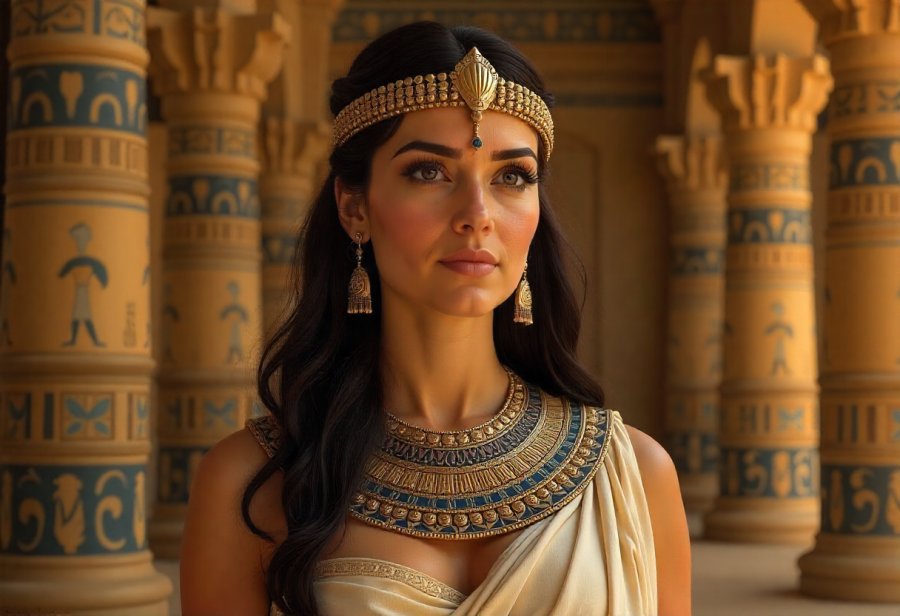
Lessons for the Future: Cleopatra’s Relevance in a Changing World
Cleopatra’s leadership offers lessons that remain deeply relevant in today’s complex world. Her ability to blend intelligence, resilience, and cultural understanding provides a blueprint for navigating modern challenges across politics, business, and social spheres. Leaders today must also cultivate the capacity to adapt swiftly, making informed decisions amid rapid change and uncertainty. Cleopatra’s example encourages us to prioritize continuous learning and strategic thinking, recognizing that staying ahead requires curiosity and an openness to new ideas.
Her resilience in the face of adversity underscores the importance of patience and calculated diplomacy. Despite external threats and internal rivalries, Cleopatra persisted through careful, deliberate moves that turned obstacles into opportunities. This resilience—paired with her sharp diplomatic skills—serves as a reminder that true strength often lies in perseverance and adaptability, qualities that help leaders withstand turbulence and emerge stronger.
Cultural fluency and the ability to communicate across diverse groups remain vital in our interconnected world. Cleopatra mastered the art of understanding different customs, beliefs, and motivations, which enabled her to build trust and influence wide-ranging audiences. Today, effective leadership depends on this same capacity for genuine empathy and respect, fostering strong relationships that endure beyond superficial interactions. Her example highlights that influence rooted in cultural awareness and trust is more durable than charm alone.
Her unwavering commitment to knowledge and scholarship remains a powerful message. Cleopatra’s patronage of Alexandria’s Library and her personal engagement with philosophy, astronomy, and languages reflect a belief that wisdom is a core leadership asset. In an era of rapid technological advancement and information overload, leaders who embrace lifelong learning and innovation will be best equipped to guide their teams through uncertainty and change. Her example champions intellectual curiosity as a foundation for resilience and influence.
Looking forward, Cleopatra’s story inspires us to see leadership as a lifelong journey rooted in wisdom, adaptability, and cultural sensitivity. Her ability to read her environment and respond strategically offers a timeless model for overcoming obstacles and seizing opportunities. As the world faces new and unpredictable challenges, her example reminds us that resilience and knowledge—combined with a genuine understanding of others—are the keys to lasting influence and meaningful leadership.