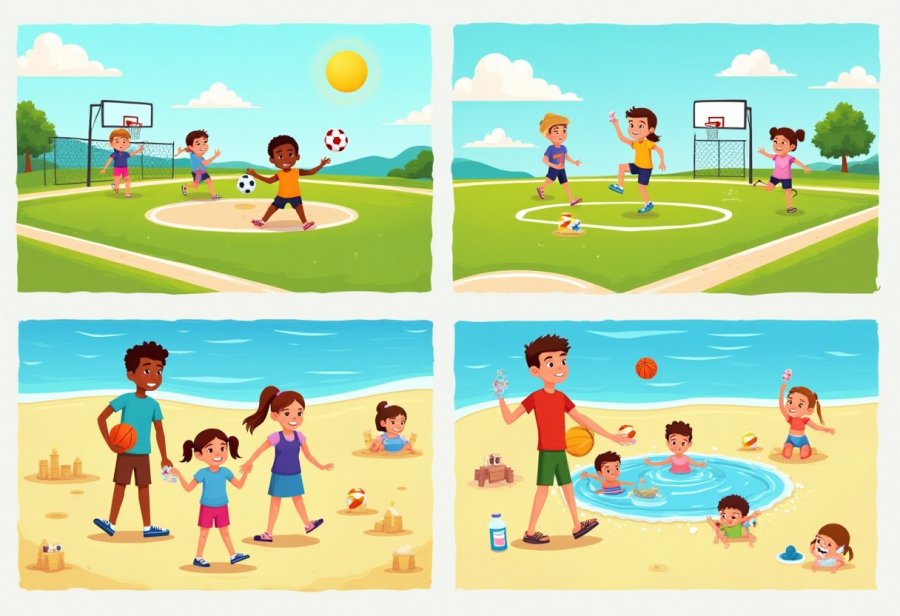
What if the greatest obstacle to learning to swim is simply summoning the courage to take that first step? This inspiring journey reveals that regardless of age, water can transform from a symbol of fear into a space of confidence and liberation. Learning to swim isn’t just about mastering strokes; it’s about overcoming deep-seated anxieties, building trust in your body, and embracing the water as a realm of possibility. Through gradual skill development, supportive instruction, and celebrating small victories, adults and children alike can rewrite their relationship with water. The story emphasizes that water confidence is achievable at any age, challenging outdated notions that fears are fixed. As you navigate buoyancy, breath control, and body positioning, you’ll discover that perseverance turns water from a source of anxiety into a lifelong source of joy. Are you ready to transform fear into freedom and unlock your full potential in the water?
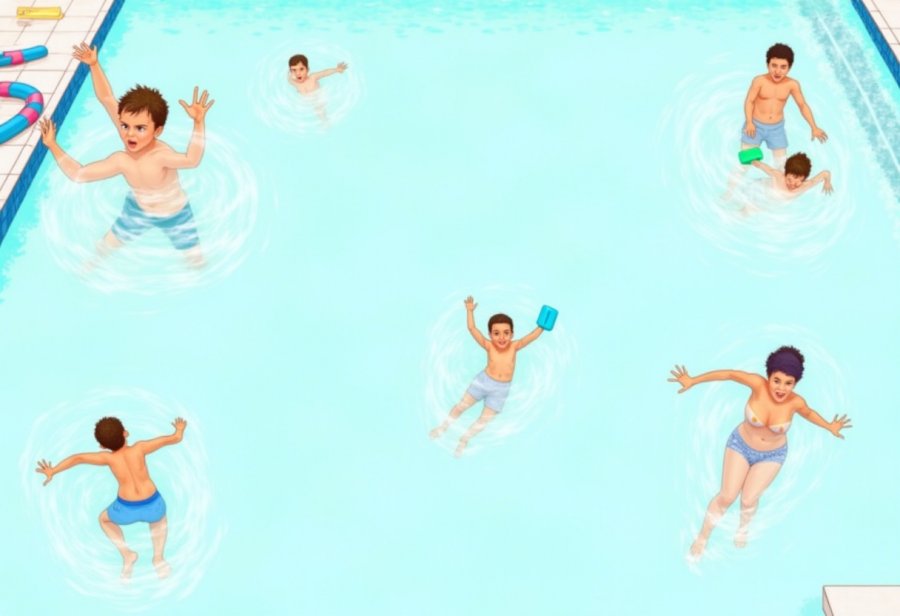
Transform Your Water Outlook: Embrace the Lifelong Journey of Learning to Swim
Learning to swim at any age isn’t just about picking up a new skill; it’s a personal journey that can reshape how you see yourself and the water around you. Many adults feel a mix of hesitation and fear when they think about entering a pool or open water, often recalling childhood anxieties or negative experiences. Taking that first step—whether it’s sitting at the pool’s edge or wading into shallow water—can be transformative. It’s about turning water from something intimidating into a space of confidence and freedom.
This journey matters because the benefits go far beyond just learning to swim. Gaining water safety skills reduces risks, boosts physical health, and enhances mental well-being. It’s a way to take control of a situation that once felt overwhelming. For adults, overcoming water fears opens doors to new recreational activities and social opportunities, from lakeside trips to beach days. For children, early swimming skills foster independence and help build a foundation of confidence that can last a lifetime.
What makes this process especially powerful is that it’s never too late. Many believe fears or insecurities about water are fixed, but each small victory—like floating or taking a few confident strokes—proves otherwise. Every step forward builds momentum, showing that fears can be faced and conquered at any age. Patience and persistence are key, turning hesitation into trust and uncertainty into joy.
Support plays a crucial role. Whether from family, friends, or instructors, encouragement makes a big difference. Celebrating small milestones, like floating independently or gliding across the water, reinforces progress and keeps motivation high. These moments remind us that water confidence is within reach, regardless of where you start.
Learning to swim is also a act of self-care and courage. Committing to this goal is a statement of resilience—protecting yourself and loved ones while opening up new avenues for fun and adventure. Even tiny steps, like practicing breathing or sitting by the pool, set the stage for greater confidence. Each splash and breath taken with purpose strengthens your bond with water and makes the idea of swimming less daunting.
Ultimately, learning to swim at any age is a celebration of growth. It’s about embracing the challenge, trusting your abilities, and discovering that water can be a space of liberation rather than fear. Every effort, big or small, moves you closer to a future where water is a source of joy and confidence. That first step—whether a cautious dip or a confident stroke—is the beginning of a lifelong transformation.
Foundations of Confidence: Master Key Principles to Conquer the Water
Learning to swim starts with understanding some core principles that can make water feel less intimidating and more approachable. Central to this is buoyancy—our natural ability to float supported by water. When beginners grasp how their bodies interact with water, they begin to feel more secure, realizing that sinking isn’t inevitable and that staying afloat is often about technique, not strength. This awareness creates a foundation of confidence that encourages further exploration.
Breath control is another vital element. Learning to breathe rhythmically—inhale through the nose and exhale through the mouth—helps calm nerves and establishes a steady rhythm for movement. When learners feel in control of their breathing, anxiety diminishes, turning water from a threatening environment into a manageable space. Mastering this simple skill can significantly reduce panic and foster a sense of calm during practice.
Proper body positioning also plays a key role in developing water confidence. Keeping the head aligned with the hips and legs, and relaxing the body, makes swimming more efficient and less tiring. Floating on your back, with the face turned upward and the body relaxed, can be especially reassuring, creating a feeling of weightlessness. Understanding how to position oneself correctly helps beginners practice basic movements like kicking and arm strokes without feeling overwhelmed.
The way swimming is taught has evolved to emphasize comfort and gradual skill-building. Supportive tools like kickboards, floatation devices, and visual demonstrations help learners see what’s happening and build mastery without pressure. This approach fosters a sense of control and encourages exploration at a comfortable pace, rather than rushing into difficult techniques too soon. It’s about creating a safe environment where confidence can grow naturally.
Environmental factors also influence how quickly someone adapts. Calm, shallow water provides a safe space for beginners to experiment with buoyancy, breathing, and body positioning without the fear of deep water or turbulence. Feeling secure in these gentle environments helps deepen trust in one’s abilities and reduces anxiety. Starting in a relaxed setting sets the stage for more advanced skills later on, making the learning process smoother and more enjoyable.
Fears and past experiences shape how quickly and confidently someone learns to swim. Negative early encounters may require extra reassurance and patience, while positive experiences—like splashing around or floating—can reinforce trust. Recognizing these influences helps instructors tailor their guidance, ensuring each learner feels supported and understood. When learners understand the principles behind their movements, their fears tend to fade, replaced by curiosity and motivation.
Building water confidence is about understanding and mastering these fundamental principles. Buoyancy, breath control, and body positioning are the pillars that support every stroke and movement. When learners internalize how their bodies interact with water, they start to see the water as a space of possibility rather than fear. This foundational knowledge transforms hesitant beginners into confident swimmers, ready to take on new challenges with a sense of control and enjoyment.
By focusing on these core principles, learners set themselves up for success. Each small step—floating, breathing, and moving—becomes a building block toward greater mastery. With patience and practice, water becomes less of an obstacle and more of a safe, inviting environment. Understanding these basics ensures that every learner feels prepared to progress confidently, turning initial apprehension into genuine water confidence.
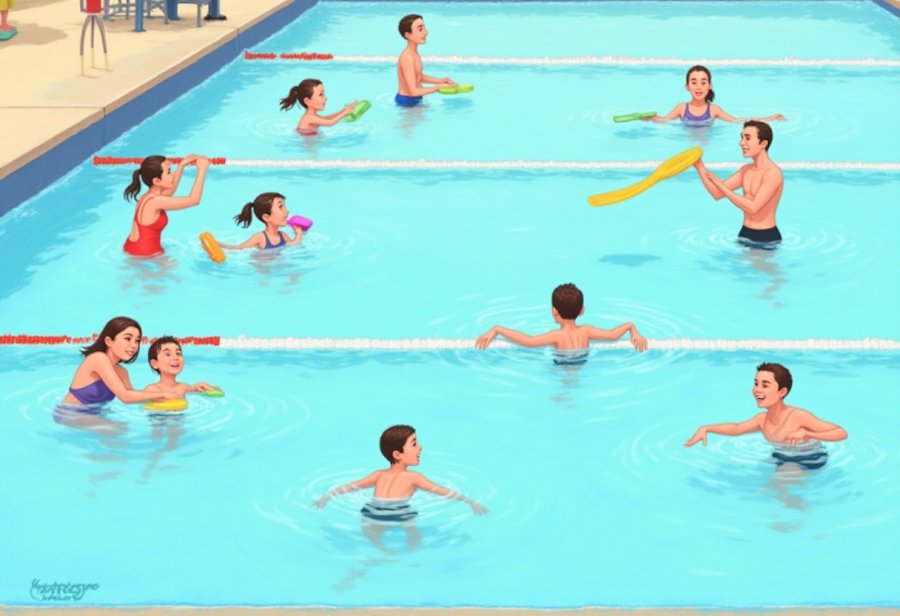
Changing Perspectives: How Society’s Views on Adult Swimming Are Evolving
Today, attitudes toward learning to swim at any age are more open and encouraging than ever before. More people see swimming not just as a recreational activity but as an essential life skill that promotes safety, confidence, and independence—regardless of age. The idea that it’s too late to learn is increasingly challenged by stories of adults overcoming fears and mastering water skills, inspiring others to believe that growth is possible at any stage of life.
Media plays a key role in shaping these perceptions. Uplifting stories of adults conquering their anxieties or children quickly developing swimming abilities help normalize the idea that water confidence can be built later in life. These narratives make the journey of learning to swim feel more accessible, encouraging more adults to take that first step. At the same time, some portrayals still highlight water dangers, which can reinforce fears for those who are already hesitant. Still, the overall trend leans toward viewing water as a space for empowerment and joy rather than risk.
Society’s view of adult learners has shifted significantly. Community programs and private lessons now cater specifically to beginners of all ages, recognizing that fears and insecurities don’t fade with youth. By emphasizing patience and gentle instruction, these programs foster environments where adults feel supported and motivated. This change challenges old stereotypes that swimming is only for the young, opening the door for more people to see water skills as achievable and worthwhile, no matter their age.
Debates around teaching methods continue, reflecting different perspectives on how best to support adult learners. Some worry that intense drills might overwhelm beginners or create false confidence, while others advocate for a more relaxed, confidence-building approach. There’s also ongoing discussion about the ideal age to start learning—most agree it’s never too late, but some remain skeptical about whether older beginners can become truly comfortable in water. These differences emphasize the need for adaptable, respectful instruction tailored to individual needs.
Cultural attitudes influence how swimming is perceived globally. In many Western countries, swimming is regarded as an essential skill supported through public programs and school curricula. Conversely, in regions with limited access to formal instruction, water skills often come from community traditions or indigenous practices, highlighting that learning to swim can take many forms. These diverse approaches remind us that water confidence isn’t solely about technique but also about community, environment, and cultural context.
Despite progress, misconceptions persist. Many still believe fears are unchangeable or that it’s too late for adults to learn. Embarrassment or safety concerns can also hold people back from trying later in life. Yet, stories of perseverance and success continue to challenge these notions, proving that water confidence is achievable at any age with the right mindset and support. As perceptions evolve, more people are empowered to see swimming as a lifelong journey of growth, safety, and enjoyment.
Taking Action: Practical Steps to Build Water Confidence and Skills
Starting your water confidence journey doesn’t have to feel overwhelming. Begin by spending time near the water—sit at the pool’s edge, dip your toes into shallow water, or wade in slowly. Getting comfortable with the environment helps reduce anxiety and makes the idea of moving into the water less intimidating. Focus on your breathing: take slow, deep breaths—inhale through your nose, exhale through your mouth—to calm your nerves and establish a steady rhythm. This simple step can significantly ease your transition into the water.
Using flotation devices or kickboards supports your body as you explore basic movements. These tools offer a sense of security, helping you feel more balanced and confident while floating or practicing kicks. As your comfort grows, try gradually decreasing their use, trusting your natural buoyancy and control. Celebrating small successes—like floating for a few seconds or gliding a short distance—builds your confidence step by step and keeps you motivated to continue.
Patience is essential. Progress may be slow at first, but every small achievement counts. Focus on achievable goals, such as holding your breath underwater briefly or floating on your back without panic. These milestones reinforce your capabilities and demonstrate that you’re capable of more than you might think. Avoid rushing or pushing yourself too hard; gentle, consistent practice will lead to steady improvement and prevent frustration.
Enlisting the help of qualified instructors makes a big difference. They understand the common anxieties adult learners face and can guide you through techniques that foster comfort and safety. Their support enables you to explore the water at your own pace, making the learning process more inviting. Watching others succeed, especially those your age, can inspire you and reinforce that your goals are within reach.
Prioritize safety at all times. Never swim alone during your early stages, especially in unfamiliar environments. Stick to shallow water until you feel confident enough to venture further, and keep safety equipment nearby. Respect your limits and listen to your body’s signals. As your skills develop, you’ll naturally want to explore deeper waters, but doing so gradually ensures safety and confidence remain at the forefront. Remember, consistent, patient effort turns water from a source of fear into a space of freedom and fun.
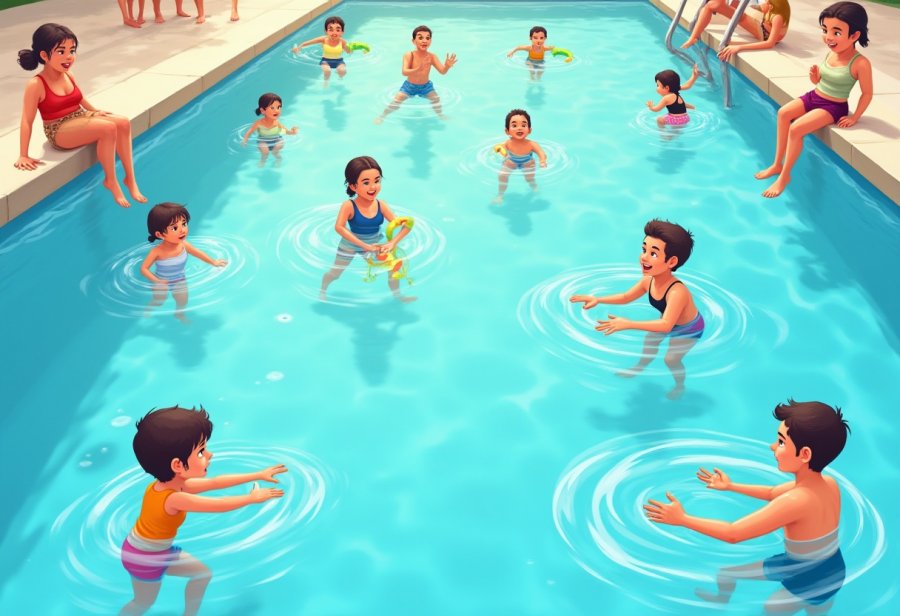
Celebrate Your Progress: Next Steps for a Lifelong Love of Swimming
Every small victory in your water confidence journey deserves celebration, whether it’s floating effortlessly or swimming your first unassisted strokes. These moments are more than milestones—they are proof that your dedication is paying off and that progress is within reach. Recognizing these achievements fuels motivation and reinforces the idea that becoming comfortable in the water is possible at any age.
Progress isn’t about perfection; it’s about persistence. Each time you face your fears and try again, you’re rewiring your mindset from doubt to trust. Overcoming water fears takes time, and every small step builds a stronger foundation of confidence. The more you practice consistently, the more anxiety transforms into mastery, turning water into a space of freedom rather than fear.
Looking ahead, there are countless ways to deepen your skills. Enrolling in beginner or adult swimming classes provides structure and expert guidance that keeps you motivated. Joining local swimming groups or community programs can add a social dimension, making practice more enjoyable and encouraging. Even watching instructional videos or reading about water safety can inspire new goals and reinforce your progress.
See water confidence as a lifelong asset that you can nurture. Gently challenge yourself—try longer swims, explore different strokes, or venture into deeper water—always respecting your comfort level. Each new experience builds on the confidence you’ve already gained, transforming water from something intimidating into a space of adventure and relaxation. Your skills will improve naturally over time, and with patience, swimming will become an integral part of your life.
Remember, your efforts have already made a meaningful difference. Conquering fears and developing water skills showcase your resilience and courage. Celebrate how far you’ve come, and understand that this journey is ongoing. Every new outing, every added skill, and each moment of calm in the water adds to a foundation of lifelong confidence.
This process is personal and unique to you. Stay curious, set small, achievable goals, and enjoy the progress. The water is now a space of freedom rather than fear, opening doors to new adventures and connections. Your journey doesn’t end with mastering the basics—it’s just the beginning of a lifelong love for the water and all the joy it brings.
Trust that your dedication has created a lasting change. The courage to face your fears and the commitment to your growth are inspiring. View each new challenge as an opportunity to learn and enjoy water more fully. With continued effort and a positive outlook, your confidence will deepen, leading to countless memorable moments and new horizons.
Keep moving forward, knowing that every effort counts. Celebrate your resilience, embrace the ongoing journey, and remember that water is now a space of possibility. Your progress so far proves that fears can be transformed into joy, and the best is yet to come.