Few moments in a dog’s day embody pure happiness quite like a leisurely outdoor walk. These simple adventures tap into a dog’s natural instincts, engaging their senses and boosting their mood through scent exploration and visual discovery. For owners, walks are more than routines—they’re opportunities for connection, stress relief, and shared joy. Scientific insights reveal that the neurochemicals released during these outings foster well-being, making every sniff and stride a boost for both pet and owner. What makes a walk truly joyful? It’s the calm environment, mutual trust, and the thrill of sensory discovery that transform a routine stroll into a cherished ritual. Looking ahead, advancements like smart gear and pet-friendly urban spaces promise to deepen this bond, turning everyday outings into immersive, enriching experiences. Could the future of dog walking be more engaging than ever, blending technology, nature, and companionship into a celebration of life’s simplest pleasures?
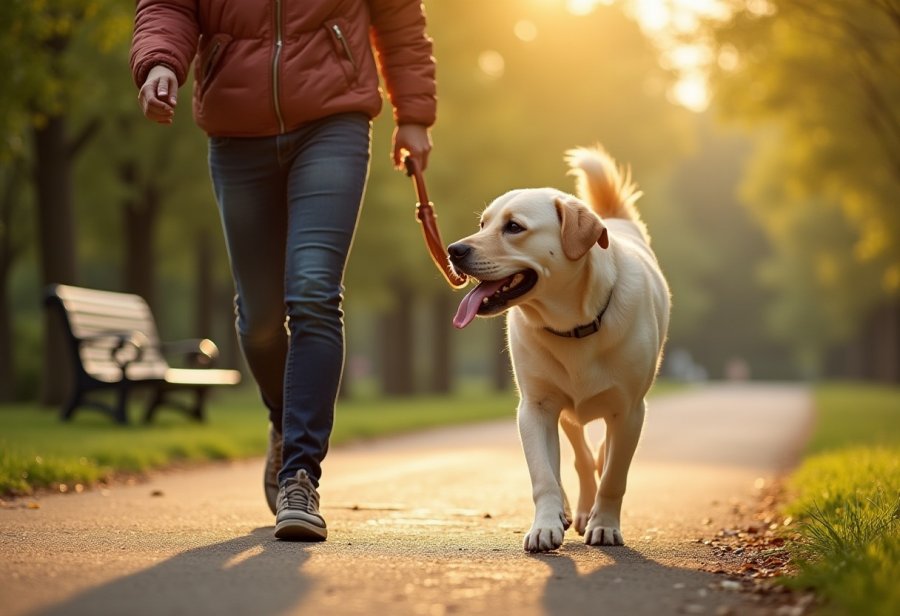
Discover Why Outdoor Dog Walks Spark Pure Joy and Deepen Bonds
Few moments in a dog’s day bring more pure joy than heading outdoors for a walk. These outings are far from just routine—they’re a vital part of a dog’s happiness and emotional well-being. When a dog steps outside, they’re greeted by a world full of new scents, sights, and sounds that tap into their natural instincts. It’s in these simple adventures that dogs find fulfillment, wagging their tails eagerly and sniffing everything in sight.
For owners, walks offer a break from daily stresses and a chance to reconnect with their pets in a relaxed setting. These shared experiences deepen the bond, turning routine outings into meaningful rituals of trust and companionship. Watching a dog’s face light up at a favorite trail or a new smell reminds us how powerful these small moments really are.
Outdoor walks are also essential for a dog’s mental and physical health. They provide physical exercise that helps keep them fit, while the mental stimulation from exploring unfamiliar environments activates their brains, releasing feel-good chemicals like dopamine and serotonin. These neurochemicals promote happiness and reduce stress for both dog and owner, creating a sense of shared contentment.
The environment plays a key role in fostering happiness during walks. Whether it’s a sun-dappled park or a quiet forest trail, natural surroundings help dogs relax and feel free. The opportunity to sniff, investigate, and play in open spaces not only boosts confidence but also prevents boredom and behavioral issues rooted in anxiety. For owners, witnessing their dog’s joy and curiosity makes every outing worthwhile.
These outdoor moments also serve as opportunities for owners to observe and respond to their dog’s needs. When a dog feels safe and supported, they’re more likely to relax and enjoy the experience. This mutual trust turns a simple walk into a cherished daily ritual that strengthens their bond and enriches their lives.
In essence, outdoor walks are much more than a daily obligation—they’re a celebration of life and connection. These moments of exploration and companionship nurture happiness, health, and trust, making every walk a small but meaningful reminder of life’s simple pleasures.
Unveiling the Science Behind Canine Happiness and Rewarding Adventures
Research into canine behavior and psychology shows that outdoor walks trigger a range of positive responses rooted in a dog’s biology and evolutionary history. Dogs are natural explorers, with their ancestors relying heavily on scent and environmental cues for survival. When dogs go for a walk, activities like scent tracking and visual investigation activate neural pathways associated with reward, releasing chemicals such as dopamine and serotonin. These neurochemicals elevate mood, help lower stress, and reduce anxiety, creating a sense of well-being that benefits both pet and owner.
The instinct to explore outdoors is deeply tied to dogs’ evolutionary roots. Descended from wolves, they inherited behaviors like roaming, hunting, and territory marking—traits that thrived in natural environments. Although domesticated, these instincts didn’t fade; instead, they became essential parts of what makes outdoor walks so vital. When outside, dogs tap into these natural drives, engaging their senses and minds in ways that feel deeply satisfying and fulfilling. Each sniff and new sight provides an opportunity for mental engagement that boosts happiness.
A dog’s nose is incredibly sensitive, capable of detecting a vast array of smells that tell stories about other animals, people, or the environment. Following intriguing scents or exploring new sights stimulates neural pathways linked to curiosity and discovery. This mental stimulation triggers the release of feel-good chemicals like dopamine, reinforcing positive feelings tied to outdoor adventures. Every sniff or exploration during a walk becomes a source of mental enrichment, fostering a sense of contentment and happiness.
Walking outdoors also strengthens the bond between dogs and their owners. As they explore new or familiar trails, dogs learn to respond to cues and develop confidence. Meanwhile, owners become more attuned to their dog’s signals—whether a wagging tail or signs of hesitation—enhancing communication and trust. These shared moments of cooperation and discovery turn routine walks into rituals that deepen emotional connections, built on mutual understanding and affection.
Beyond psychological benefits, regular outdoor walks support physical health. They help maintain a healthy weight, promote cardiovascular fitness, and strengthen muscles. The combination of physical activity and mental engagement reduces the risk of obesity and related health issues. For owners, these walks also encourage an active lifestyle, contributing to their own well-being. The science makes it clear: outdoor walks are a win-win, creating a cycle of happiness, health, and stronger bonds that enrich everyday life.
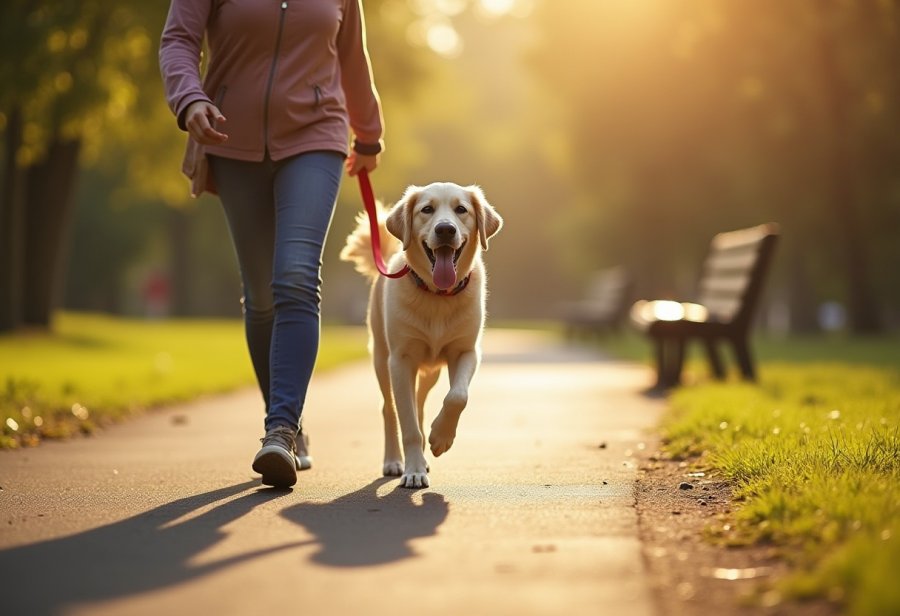
Unlock What Truly Makes a Walk Joyful for Dogs and Owners
A walk becomes truly joyful when it starts in a calm, relaxed environment. When both dog and owner feel at ease, they’re more likely to enjoy every moment. Quiet parks or shaded trails with minimal noise help keep stress low, allowing everyone to focus on the simple pleasure of being outdoors. When a dog senses their owner’s calm demeanor, they tend to mirror that tranquility, making the experience more engaging and positive.
Encouraging dogs to explore with their senses adds energy and fun to each outing. Sniffing new scents, investigating different sights, and responding to sounds turn a routine walk into a mini adventure. These sensory experiences stimulate curiosity and keep a dog’s tail wagging. Owners can enhance this by introducing light interactions or quick games, transforming exploration into shared discovery that deepens their bond.
Furry friends naturally boost happiness during walks. Whether it’s a familiar dog or a new companion, their presence makes the outing more social and lively. Dogs often gain confidence when surrounded by trusted friends, and owners benefit from the companionship as well. These shared moments of activity and trust turn ordinary walks into memorable experiences filled with playful trust and mutual enjoyment.
Sunny days and scenic surroundings amplify the walk’s joy. Warm sunshine, lush greenery, and beautiful views create an inviting atmosphere that encourages dogs to be more active and owners to feel more energized. When the environment feels inspiring, dogs tend to run, sniff, and explore with enthusiasm, while owners often find themselves more present and relaxed. Nature’s beauty transforms a simple stroll into a refreshing escape.
Trust and safety are key to unlocking genuine happiness on a walk. When dogs feel secure and supported by their owner’s calm responses, they relax and fully engage. Paying attention to their signals—whether they’re eager, hesitant, or tired—builds confidence and emotional security. This mutual trust turns a routine outing into a meaningful ritual rooted in understanding, making each walk a shared experience of comfort and connection.
The flow of a joyful walk also depends on mutual respect. Gentle encouragement and respecting a dog’s pace foster a comfortable atmosphere. When dogs feel heard and supported, they relax and enjoy the outing. In turn, owners witness their dog’s happiness and curiosity, reinforcing their bond and turning everyday walks into meaningful, joyful adventures that celebrate life’s small pleasures.
Harness Practical Benefits: How Daily Walks Promote Health, Happiness, and Connection
Dog walks are a practical cornerstone of daily life that benefits both pets and their owners in countless ways. Regular outings help keep dogs at a healthy weight by providing consistent physical activity, which supports cardiovascular health and muscle strength. This simple routine can prevent obesity and related health issues, making it easier for owners to promote long-term well-being without extra effort. At the same time, these walks naturally integrate movement into busy schedules, encouraging an active lifestyle for everyone involved.
Beyond physical health, walks are essential for mental stimulation. Exploring new sights, sounds, and scents keeps dogs’ minds sharp and prevents boredom, which can lead to destructive behaviors indoors. This mental engagement helps reduce anxiety and promotes calmer, more balanced pets. As dogs become more confident and relaxed during outdoor adventures, owners often notice improved behavior and a deeper sense of trust that strengthens their relationship.
Walking routines also reinforce good manners and responsiveness. When dogs learn to walk calmly on a leash and respond reliably to commands, they develop confidence and trust in their owners. These lessons translate into better social skills and more enjoyable outings, creating a foundation of mutual respect. Establishing consistent routines helps foster discipline and predictability, making daily walks a positive, structured part of life.
Sharing outdoor time offers valuable opportunities for emotional bonding. As owners observe their dog’s happiness and curiosity, they experience a sense of mindfulness and presence that can alleviate stress. These moments of togetherness turn routine walks into meaningful rituals of connection, deepening mutual affection and trust. Feeling supported and understood during these outings encourages dogs to relax and fully enjoy the experience.
Finally, regular outdoor walks support socialization. Meeting other dogs and people in pet-friendly spaces helps dogs develop good manners and social skills, while owners can connect with fellow pet lovers. These interactions add an extra layer of joy and purpose to daily routines, transforming simple walks into opportunities for community building and shared happiness. Overall, the practical benefits of dog walks extend far beyond exercise—they nurture health, happiness, and stronger bonds that enrich everyday life.
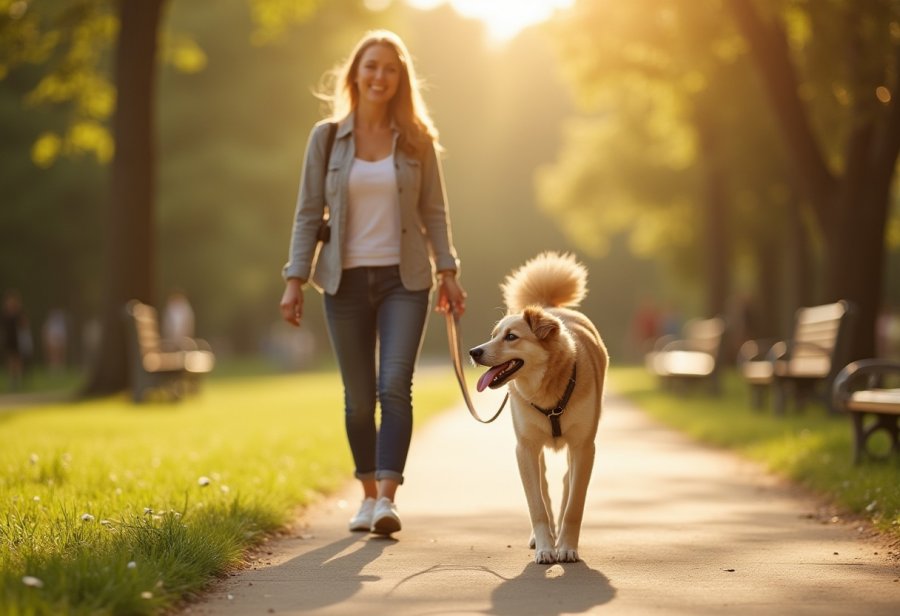
Envision the Future: Innovative Trends Transforming Dog Walks and Outdoor Exploration
Looking ahead, the future of dog walks promises to be more dynamic and personalized thanks to emerging technologies and shifting attitudes toward pet well-being. One of the most exciting trends is the rise of smart gear—GPS collars, activity trackers, and mobile apps—that help owners plan routes, monitor their dog’s activity levels, and discover nearby pet-friendly trails. These tools make outdoor adventures safer and more tailored, allowing owners to adapt walks to their dog’s specific needs and energy levels, enhancing both safety and enjoyment.
At the same time, innovations in enrichment toys and scent-based puzzles are transforming walks into mentally stimulating experiences. Devices like automatic ball throwers, scent puzzles, and interactive toys tap into a dog’s natural instincts, turning exploration into a playful, engaging activity. These tools help prevent boredom, encourage curiosity, and keep dogs active mentally and physically, making each outing more fulfilling for both pet and owner.
Urban planning is evolving to better accommodate canine exploration. Many cities now feature dedicated dog parks, obstacle courses, and nature trails designed specifically for dogs. These spaces aren’t just about exercise—they’re about fostering confidence, socialization, and curiosity in safe environments. As communities recognize the importance of pet-friendly infrastructure, outdoor walks will become more diverse and enriching, blending physical activity with mental stimulation in ways that cater to a dog’s natural instincts.
The focus on mental health is also driving the development of outdoor activities that extend beyond simple walks. Trails with varied terrain, natural sensory environments, and scenic views are increasingly popular for their calming effects. Owners are seeking out peaceful spots like forests, open fields, and scenic parks, transforming routine walks into restorative experiences that strengthen the bond between pets and their humans. These natural settings offer a chance for both to reconnect with nature and each other.
Looking further into the future, innovative concepts like virtual and augmented reality could bring new dimensions to outdoor adventures. Imagine apps that enhance sensory experiences or guide owners and dogs through immersive explorations, making routine walks feel like mini-adventures. Such tools could deepen the connection, turning everyday outings into discoveries that stimulate curiosity and joy while fostering a stronger bond.
With these trends shaping the landscape, dog walks are set to become more engaging, safe, and enriching than ever before. Technology, thoughtful design, and a growing understanding of mental health will continue to elevate these simple moments, transforming them into meaningful experiences that celebrate discovery, connection, and the pure joy of exploring the outdoors together.