What if the greatest strength of a leader isn’t their external conquests but their inner discipline? Marcus Aurelius exemplifies this paradox, demonstrating that true power resides within—cultivated through self-control, wisdom, and resilience amid chaos. Despite facing wars, plagues, and political turmoil, he governed with moral clarity and calmness, showing that mastery over oneself creates a lasting legacy. This exploration invites you to reconsider what it means to be strong: is it the external achievements or the internal fortress of virtue? Marcus’s life teaches us that inner discipline is a lifelong journey of daily reflection, deliberate action, and resilience—transforming challenges into opportunities for moral growth. As external circumstances shift and fade, the internal empire of character endures, offering authentic leadership and lasting influence. Are you ready to build your inner strength, the true foundation of lasting impact?
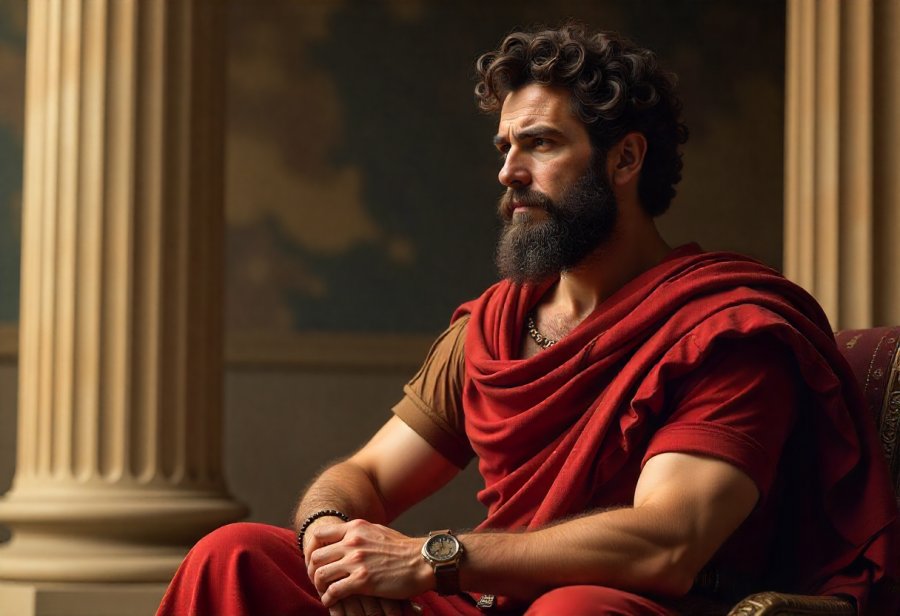
Discover the Hidden Power Within: Inner Discipline Versus External Success
In today’s busy world, it’s easy to tie our sense of strength to what we can see—titles, money, recognition. We often believe that success is measured by external achievements, but this view can be limiting. True strength might lie elsewhere, hidden in qualities we often overlook: self-control, inner resilience, and the ability to stay grounded amid chaos. This idea challenges us to look inward rather than outward, to consider that real power resides within.
Marcus Aurelius’s life exemplifies this shift. As Roman emperor, he faced wars, plagues, political turmoil, and personal hardship. Despite all these external pressures, his focus was on mastering himself—controlling impulses, managing emotions, and acting with virtue. His writings reveal a man who believed that inner discipline was the foundation of genuine strength. It’s not about suppressing feelings but understanding and guiding them in service of wisdom and moral clarity.
This perspective raises a compelling question: what if the greatest empire we build is not the one on land or in wealth, but the empire within ourselves? Inner discipline isn’t about denying our natural reactions; it’s about cultivating awareness and deliberate response. When we develop this inner strength, setbacks and chaos no longer define us. Instead, they become opportunities to deepen resilience and clarify our purpose.
Marcus’s example shows that external success can be fleeting, but inner mastery endures. His calmness during crises, his unwavering commitment to virtue—these aren’t just personal virtues but leadership qualities rooted in discipline. They remind us that true influence and legacy come from how well we govern ourselves. This inner strength becomes the foundation for authentic leadership, one that remains steady regardless of external circumstances.
Focusing on inner discipline doesn’t mean neglecting action; rather, it transforms how we approach it. Small daily practices—reflection, mindfulness, deliberate responses—build a resilient inner world. Over time, these habits strengthen our ability to face challenges with calm and clarity. The more we nurture this inner resilience, the more we align our outward actions with our deepest values, creating a life of integrity and authenticity.
In embracing this mindset, we begin to see strength as a lifelong journey of self-mastery. It’s about showing up daily with awareness and purpose, knowing that the most lasting power comes from within. Marcus Aurelius’s life invites us to consider that the true empire we build is our character—an inner fortress that supports us through every storm and every triumph alike.
Marcus Aurelius in Context: A Leader Amidst Turmoil
Marcus Aurelius assumed power in 161 AD, during a turbulent period for the Roman Empire. The borders were under constant threat from Germanic tribes in the north and Parthian forces in the east, demanding both military vigilance and strategic foresight. Internally, the empire faced political instability, economic challenges, and outbreaks of plague, all of which tested the resilience of Roman society and, more importantly, its leadership.
Despite these external and internal pressures, Marcus became known for his calm demeanor and moral integrity. His leadership style blended military strength with deep commitment to Stoic virtues such as humility, justice, and endurance. Even amid wars and crises, he prioritized stability and moral duty over personal ambition, embodying the idea that true strength stems from within.
From a young age, Marcus was immersed in Stoic philosophy, which profoundly shaped his worldview. Born into a prominent Roman family, he received a rigorous education in rhetoric, ethics, and philosophy. Mentors emphasized virtues like self-control and acceptance of fate, lessons that would influence his approach to leadership. These teachings encouraged him to see hardships as opportunities for moral growth rather than threats to stability.
Throughout his reign, Marcus faced significant crises, including invasions and a devastating plague that swept across the empire. Political factions and accusations of corruption added to the turmoil. Yet, he responded with patience, reflection, and unwavering moral resolve. His daily habits of meditation and deliberate decision-making created a mental fortress that allowed him to lead with compassion and fairness, demonstrating that inner discipline was essential to managing external chaos.
Marcus’s capacity to remain centered amid adversity highlights that genuine strength is rooted in inner mastery. His ability to govern with clarity and moral purpose inspired loyalty and respect, both during times of war and peace. His life exemplifies how mastery over oneself—through discipline and virtue—can provide stability when the external world is in flux.
His example continues to resonate today, reminding us that lasting leadership depends less on external achievements and more on the strength of character cultivated within. Marcus demonstrated that true resilience and influence come from inner discipline, which provides a steady foundation regardless of external circumstances. His life underscores the power of self-mastery as the greatest form of strength a leader can possess.
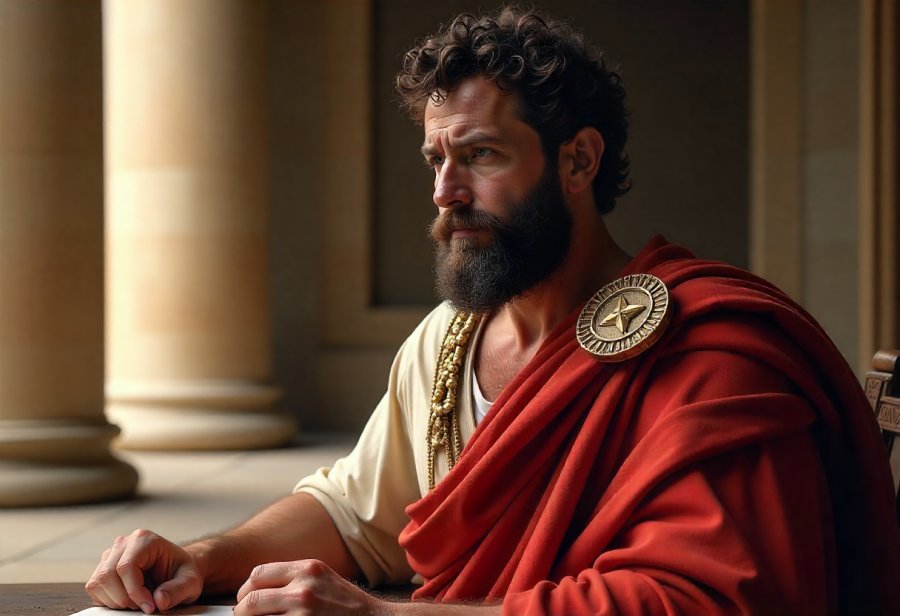
Core Principles of Inner Discipline: Mastery, Wisdom, Resilience
Inner discipline, at the core of Marcus Aurelius’s philosophy, centers on three essential qualities: self-mastery, wisdom, and resilience. Self-mastery means having control over impulses, emotions, and desires so that our actions reflect reason and virtue rather than fleeting passions. It’s not about repression but about intentionally guiding responses, cultivating a mental environment where clarity and purpose can thrive even amid chaos. When we develop this control, we create a foundation that keeps us grounded regardless of external turmoil.
Wisdom involves understanding what’s within our power and what isn’t. Marcus emphasized the importance of recognizing the difference between controllable and uncontrollable aspects of life. This awareness allows us to accept setbacks without despair and to focus our energy on actions aligned with virtue. Wisdom guides decisions rooted in moral clarity rather than impulse or ego, helping us act with integrity even when external circumstances tempt us otherwise.
Resilience is the capacity to remain steady when faced with adversity. Marcus believed resilience is cultivated through consistent effort, viewing difficulties as opportunities for growth rather than threats. It’s the internal armor that shields us from despair, enabling us to maintain composure, learn from setbacks, and move forward stronger. Resilience transforms challenges into stepping stones, strengthening character and moral resolve in the process.
These core themes—self-control, wise judgment, and mental toughness—interconnect deeply. Mastering ourselves makes wise choices easier, and resilience sustains us when external chaos tests our resolve. Marcus’s teachings show that inner discipline isn’t a one-time achievement but a lifelong practice. Daily reflection, mindfulness, and deliberate responses reinforce these qualities, gradually shaping a resilient inner core capable of weathering any storm.
Inner discipline also involves understanding and managing emotions rather than suppressing them. Marcus acknowledged that impulses are natural but emphasized they shouldn’t control us. Through mindful awareness and deliberate action, raw emotion can be transformed into a source of strength rather than weakness. This balanced approach turns natural passions into tools for virtue, creating a steady, resilient inner life that endures through life’s inevitable ups and downs.
Practicing these principles in everyday life can be straightforward yet powerful. Small acts—resisting impulsive reactions, practicing patience, or pausing before responding—build the discipline necessary for larger challenges. Over time, these habits strengthen mental resilience, making it easier to act with calmness and purpose in moments of stress or uncertainty. The key lies in consistency; each intentional choice reinforces our inner strength.
Marcus’s life exemplifies how inner discipline shapes leadership and personal growth. His ability to remain composed amid crises, to lead with moral clarity, and to govern through virtue demonstrates that true power arises from within. External achievements may impress temporarily, but lasting influence depends on cultivating these internal qualities. Inner discipline becomes the foundation for authentic leadership—steady, resilient, and rooted in wisdom.
Ultimately, developing inner discipline is a continuous journey. It’s about showing up each day with awareness and a commitment to growth. As we nurture self-control, wisdom, and resilience, we build an inner fortress capable of supporting us through any challenge. Marcus Aurelius’s example reminds us that the greatest strength isn’t in external conquest but in the mastery of oneself—a timeless lesson for leadership and life alike.
Applying Inner Discipline: Leadership and Personal Growth in Action
Inner discipline isn’t just a philosophical idea; it shapes how we lead and grow in everyday life. When you practice self-control in decision-making, you create space for clarity and consistency. Staying calm under pressure, for instance, allows you to assess situations more objectively and make choices rooted in your values rather than reacting impulsively. This calmness not only improves your judgment but also builds trust among colleagues and friends, who see you acting with integrity even in challenging moments.
On a personal level, developing habits like reflection and mindfulness can significantly boost resilience. Taking a few moments each day to pause, breathe, and evaluate your reactions helps you recognize emotional triggers and respond thoughtfully. Over time, these routines cultivate mental toughness, enabling you to handle setbacks with grace and turn obstacles into opportunities for growth. Small daily acts—resisting impatience or anger—accumulate into a strong foundation of inner strength that guides your actions and decisions.
Marcus Aurelius’s leadership offers clear lessons on translating these principles into practice. His ability to maintain composure during wars and plagues shows that inner strength directly influences external outcomes. When faced with tough choices, he turned inward first, reflecting deeply to ensure his actions aligned with virtue. This consistency in moral character inspired loyalty and respect, proving that genuine leadership stems from an unwavering inner discipline that remains steady regardless of external chaos.
In daily life, this can mean resisting the urge to react emotionally or impulsively. Instead, pause and ask whether your response aligns with your core values. Over time, these deliberate choices strengthen your resilience and reinforce a virtuous mindset. Practices like journaling, meditation, or setting clear intentions serve as tools to check in with yourself regularly, helping you stay aligned with your principles during turbulent times. These routines transform philosophical insights into practical habits that support long-term growth.
When setbacks occur, inner discipline acts as a stabilizer. Rather than falling into frustration or despair, you learn to accept what you cannot change and focus on what you can control. Marcus’s resilience in the face of crises demonstrates that mental fortitude is cultivated through consistent effort. This mindset not only enhances personal well-being but also inspires others by exemplifying how integrity and calmness under pressure create authentic leadership. Developing inner discipline becomes a powerful way to navigate life’s ups and downs with purpose and clarity.
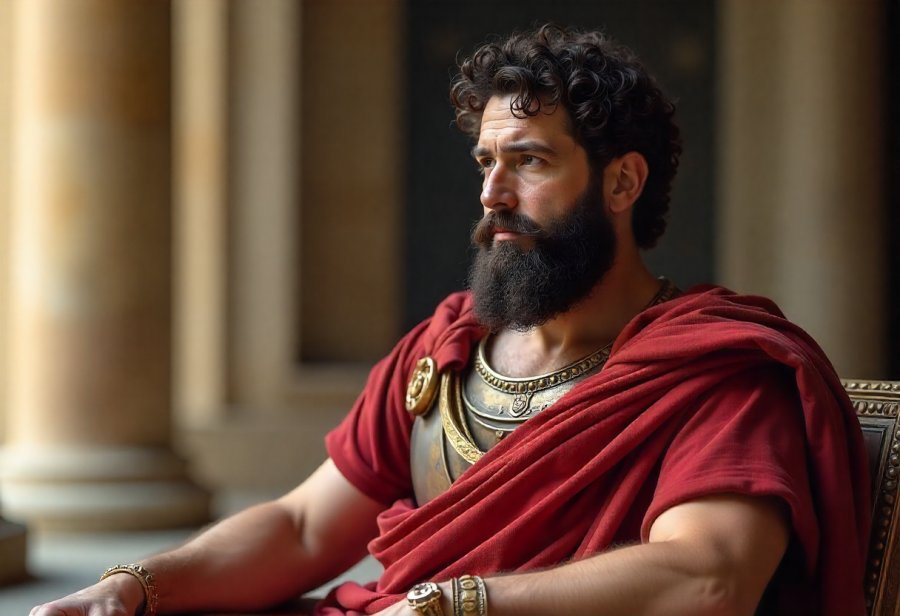
Stepping Forward: Embracing Inner Discipline for Lasting Legacy
Inner discipline remains the cornerstone of authentic leadership. Marcus Aurelius’s life teaches us that true strength isn’t measured by external victories or titles but by the mastery we cultivate within. Developing qualities like self-control, wisdom, and resilience transforms how we face challenges, make decisions, and guide others. These internal virtues create a stable foundation that endures through both turmoil and triumph, shaping a legacy rooted in integrity and moral clarity.
Moving forward, integrating daily habits such as reflection, mindfulness, and deliberate action helps embed inner discipline into everyday life. These routines serve as anchors during turbulent times, allowing us to respond with calm and purpose rather than react impulsively. Over time, consistent effort in cultivating self-awareness and virtue turns discipline into a natural part of who we are, strengthening our character and our capacity to lead authentically.
Marcus’s example reminds us that the greatest empire we can build is within ourselves. His unwavering commitment to virtue amid chaos highlights that genuine influence springs from inner strength, not external conquest. When we prioritize inner mastery, we develop resilience that not only sustains us through adversity but also inspires those around us. This internal focus offers a lasting impact that outlives fleeting external successes.
Embracing inner discipline involves a continuous journey rather than a destination. It demands daily choices—resisting impulsive reactions, practicing patience, and staying aligned with our core values. Each small act reinforces our inner resilience, gradually shaping a steady, virtuous mindset capable of navigating life’s inevitable ups and downs. This ongoing effort nurtures a deep well of strength that supports us through any storm.
By cultivating these qualities, we foster a form of influence rooted in authenticity and steadiness. Leaders who act with clarity and purpose, guided by inner discipline, earn trust and loyalty. Their calm presence and moral conviction become powerful forces for change, demonstrating that true leadership flows from within. Marcus Aurelius’s life exemplifies how inner mastery is the most enduring source of power, inspiring us to focus on building that inner empire every day.
In the end, developing inner discipline is about showing up consistently with intention and integrity. It’s a quiet, persistent effort that transforms character over time, helping us face life’s challenges with resilience and grace. This inner strength becomes a guiding light—steadfast and reliable—illuminating the path toward a more meaningful, impactful life. By prioritizing this internal growth, we craft a legacy that endures well beyond external achievements, rooted in the timeless power of self-mastery.