Ever wondered what secret keeps your car reliable and ready to go whenever you need it? The answer lies in the often overlooked art of battery maintenance. Your vehicle’s battery isn’t just about starting your engine; it’s the heartbeat of your car’s electrical system, powering headlights, safety features, and more. Recognizing early warning signs—such as slow starts or dimming lights—can prevent unexpected breakdowns. Regular checks, like inspecting terminals for corrosion, testing voltage, and tightening connections, are simple yet powerful steps to extend your battery’s lifespan. With modern monitoring tools and a few minutes every few months, you can stay ahead of potential failures. How much peace of mind would a routine battery care routine bring? Investing small effort now could save you time, money, and stress later, making worry-free driving not just a dream but a dependable reality.

Unlock Stress-Free Driving with Simple Battery Care
Keeping your vehicle reliable is essential for stress-free driving, whether you’re commuting to work, running errands, or planning a weekend getaway. Few things throw off your plans more than an unexpected breakdown, especially when you’re far from help or pressed for time. That’s why paying attention to your car’s vital components—like the battery—is so important. The battery isn’t just the starting point for your engine; it’s the backbone of your vehicle’s electrical system, powering everything from headlights to safety features. When it’s in good shape, your car starts quickly, runs smoothly, and gives you the confidence to hit the road without worry.
Often, the role of the battery in vehicle reliability gets overlooked until something goes wrong. Many drivers don’t realize how much a healthy battery contributes to overall dependability. Most modern cars rely heavily on their batteries, which store electrical energy necessary for starting the engine and supporting various electronic systems. If your battery is weak or failing, you might notice sluggish engine cranks, dimmed lights, or warning signals on your dashboard. These signs aren’t just minor inconveniences—they’re early alerts that your battery needs attention. Catching these signs early allows you to prevent a breakdown before it happens, saving you time, money, and frustration.
Regular battery maintenance is surprisingly simple but often neglected. A few quick checks—like inspecting the terminals for corrosion, testing the voltage with a multimeter, or ensuring the connections are tight—can make a big difference. These small routines take only minutes but can significantly extend your battery’s lifespan and performance. Corrosion around the terminals can block the flow of electricity, leading to starting issues or electrical glitches. Cleaning the terminals and tightening connections is straightforward and can be done at home or during routine service. Taking these steps regularly acts as preventative care, catching potential problems early before they turn into costly repairs or roadside emergencies.
Understanding how your battery works also helps motivate you to keep it in top condition. Most lead-acid batteries in cars generate power through chemical reactions involving lead plates and sulfuric acid. Over time, heat, vibrations, and short trips accelerate wear and tear, reducing the battery’s ability to perform. Recognizing early signs—such as slower starts or flickering lights—allows you to act before a complete failure occurs. Simple tests of voltage and visual inspections for corrosion can help you gauge your battery’s health and determine when it’s time for a replacement. Staying proactive in maintenance means fewer surprises and more confidence behind the wheel.
Incorporating routine battery checks into your schedule doesn’t require much effort. Setting reminders every few months or before long trips ensures these inspections become a regular habit. A small toolkit—containing a wire brush for cleaning terminals, a multimeter for testing voltage, and distilled water for topping up batteries with removable caps—can make these tasks quick and easy. Visual checks and simple tests help you catch early warning signs, so you can plan ahead rather than scramble at the last minute. Over time, these small actions become second nature, helping you stay ahead of potential issues and keep your vehicle dependable in all conditions.
Modern vehicles often feature built-in battery monitoring systems that alert you to declining health via dashboard notifications. For older models, portable diagnostic tools and smartphone apps can provide quick insights into your battery’s condition. Using these tools, you don’t need to be a mechanic to keep tabs on your battery’s status. Regularly checking voltage levels and warning signs allows you to identify early degradation and plan for timely replacements. This proactive approach not only prevents roadside breakdowns but also extends your battery’s overall lifespan, giving you peace of mind every time you turn the key.
Making battery maintenance part of your routine is simple and effective. Think of it as a quick five-minute check—inspect terminals for corrosion, tighten loose connections, test voltage, and visually scan for cracks or leaks. Doing this every few months, especially before extreme weather seasons, helps ensure your battery remains reliable. Tying these checks into other routines, like fueling or washing your car, simplifies the process and makes it easier to remember. Over time, consistent care becomes automatic, keeping your vehicle running smoothly and reducing the risk of unexpected surprises. With just a little effort, you can enjoy worry-free driving knowing your battery is in top shape.

Demystifying Car Batteries: How They Power Your Vehicle
Car batteries are the core power source for your vehicle’s electrical system, enabling your car to start and run smoothly. Most cars rely on lead-acid batteries, which generate electricity through chemical reactions involving lead plates and sulfuric acid. When you turn the key or press the start button, the battery delivers a burst of electrical energy that ignites the engine and powers essential systems like headlights, radio, and safety features. Without a healthy battery, your car won’t start, leaving you stranded and frustrated.
Over time, various factors accelerate battery wear and tear, diminishing its ability to perform reliably. Heat speeds up chemical reactions inside the battery, causing internal damage and reducing capacity. Vibration from driving can loosen internal components or cause microfractures, leading to internal damage. Short trips, which don’t allow the battery to fully recharge, also contribute to gradual decline. Recognizing these effects helps you understand why regular maintenance is vital to keep your battery in top shape.
The chemical process inside a lead-acid battery involves lead plates submerged in sulfuric acid. When energy is needed, chemical reactions convert stored energy into electrical current, powering your vehicle’s systems. Over time, the plates degrade, and the acid may evaporate or become contaminated, leading to decreased efficiency. This deterioration manifests as slower engine starts, dimming lights, or warning indicators on your dashboard. Catching these early signs can prevent sudden breakdowns and costly repairs.
Corrosion around the terminals is a common sign of a worn or aging battery. Usually appearing as a white or bluish deposit, corrosion can block the flow of electricity, making starting difficult and causing electrical glitches. A simple visual inspection can reveal these deposits, and cleaning the terminals with a wire brush restores proper contact. Ensuring tight connections also prevents voltage drops. These straightforward steps significantly improve battery performance and lifespan, especially when performed regularly.
Testing your battery’s voltage with a multimeter provides a quick snapshot of its health. A fully charged battery should read around 12.6 volts when the engine is off. Anything significantly lower indicates the battery is losing capacity and may need replacement. Alongside voltage checks, inspecting for cracks, leaks, or swelling adds another layer of early warning signs. These simple maintenance routines enable you to catch potential problems before they leave you stranded.
Understanding your battery’s inner workings empowers you to maintain it effectively. Regular inspections—like cleaning terminals, tightening connections, and testing voltage—are simple yet powerful tools to prolong its life. Many vehicles come equipped with built-in systems that monitor battery health and alert you to issues via dashboard notifications. For older models, portable diagnostic tools or smartphone apps can provide instant insights, making maintenance accessible even for non-experts.
By staying proactive with basic checks, you prevent unexpected failures and extend your battery’s lifespan. Incorporate these quick routines into your regular vehicle care—perhaps during refueling or washing—and soon they’ll feel like second nature. Small efforts, done consistently, keep your car starting reliably and running smoothly, no matter the season or distance. This simple knowledge about how your battery works and how to care for it is a key step toward worry-free driving and greater vehicle dependability.
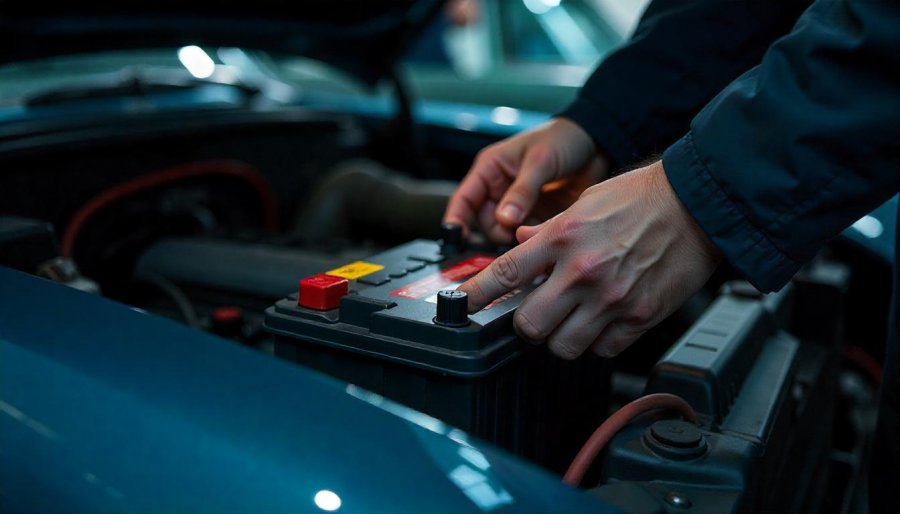
Seamless Routine Checks for Reliable, Worry-Free Journeys
Integrating routine battery checks into your schedule doesn’t have to be complicated or take up much time. The key is consistency—by establishing a regular habit, you can catch potential issues before they turn into roadside emergencies. For instance, setting a reminder every three to four months or before planning long trips ensures your battery gets the attention it needs. This simple step helps prevent unexpected breakdowns and keeps your vehicle dependable when you need it most.
Having a small toolkit handy makes these checks even easier. A wire brush for cleaning terminals, a multimeter to test voltage, and distilled water for topping up batteries with removable caps are affordable tools that can be stored in your glove box or trunk. With these supplies, you can quickly inspect terminals for corrosion, clean off deposits, and tighten loose connections—actions that significantly improve your battery’s performance. Performing these quick checks regularly becomes an easy part of your routine, giving you peace of mind and helping prolong your battery’s lifespan.
Modern vehicles often include built-in systems that monitor battery health and notify you via dashboard alerts when something’s off. For older models, portable diagnostic tools or smartphone apps can serve the same purpose, providing instant insights into your battery’s condition. Using these devices, you don’t need special skills to stay on top of your battery’s health. Regular voltage tests and monitoring warning signs like dimming lights or slow starts enable you to identify early decline and plan for replacement before a failure leaves you stranded.
Creating a maintenance schedule should be straightforward—think of it as a five-minute routine every few months. Check the terminals for corrosion, tighten any loose connections, test the voltage with your multimeter, and visually inspect for cracks or leaks. Tying these inspections to other regular activities, such as fueling or washing your car, makes them easier to remember. Over time, these quick routines become second nature, seamlessly integrated into your vehicle care and reducing the risk of unexpected breakdowns.
To make these checks even more effortless, incorporate them into your weekly or bi-weekly car care habits. For example, after washing your vehicle or refueling, take a moment to peek under the hood. This small step helps reinforce a habit that keeps your battery in top shape. Consistent, simple inspections not only extend your battery’s life but also build your confidence in your vehicle’s reliability, especially during extreme weather or busy travel schedules.
If you’re unsure about performing these checks yourself or your vehicle’s electrical system is complex, professional maintenance can fill the gap. Regular visits to a trusted mechanic for battery diagnostics—such as capacity tests and internal resistance measurements—offer detailed insights that supplement your own routine inspections. Many shops now provide quick, affordable assessments that help you plan replacements proactively, ensuring your vehicle remains dependable regardless of conditions.
Remember, the goal is to make battery upkeep as hassle-free as possible. Incorporate these small steps into your calendar or set reminders on your phone. Before long, checking your battery will feel like a natural part of your vehicle’s maintenance routine. Not only does this reduce the chances of roadside surprises, but it also extends your battery’s lifespan, saving you money and stress in the long run. A little effort now leads to worry-free driving when it matters most.
By staying proactive and attentive to your battery’s health, you create a foundation of reliability that keeps your vehicle running smoothly. This routine care isn’t just about preventing breakdowns—it’s about building confidence in your car’s dependability. With simple, consistent checks, you’ll always be ready to hit the road, knowing your battery is prepared to deliver power whenever you need it. That peace of mind is the real secret to worry-free driving.