Nylon, a staple in our daily lives—from clothing to carpets—has a hidden environmental cost rooted in its petrochemical origins. Its production begins with extracting fossil fuels, a process fraught with ecological disruption, pollutant emissions, and reliance on finite resources. The complex chemical reactions needed to create nylon release greenhouse gases and toxins, contaminating air and water supplies. Yet, the environmental toll doesn’t stop at manufacturing; nylon’s durability leads to persistent microplastic pollution as tiny fibers shed during use enter waterways, harming marine life and entering the food chain. Discarded nylon items linger in landfills for centuries, leaching chemicals and contributing to long-term ecological damage. As demand for synthetic fibers grows, understanding the full lifecycle impact becomes urgent. Can innovation and responsible practices transform this ubiquitous material into a truly sustainable resource, or are we locked into a cycle of convenience and consequence?

Unveiling Nylon’s Hidden Environmental Costs
Nylon is one of those materials that quietly influences many parts of our daily lives, from the clothes we wear to the carpets under our feet and outdoor gear we rely on. Its durability, flexibility, and affordability have made it a staple in manufacturing since its invention in the 1930s. Over decades, nylon has transformed industries and consumer habits, becoming a go-to synthetic fiber that offers both strength and versatility. Yet, behind its widespread use lies a more complex story—one that involves significant environmental costs often overlooked amid the convenience.
As our reliance on synthetic fibers like nylon grows, understanding where it comes from and how it impacts the environment becomes increasingly critical. Nylon isn’t a natural material; it’s a synthetic polymer created through chemical processes derived from fossil fuels—primarily oil and natural gas. These resources serve as the raw materials for its production, linking nylon directly to the oil industry. This connection means that every step in nylon’s lifecycle has environmental implications, from resource extraction to waste disposal.
The process of making nylon begins with extracting and refining fossil fuels, a resource-intensive activity that depletes finite reserves and often damages ecosystems. Oil drilling, pipeline construction, and refining release pollutants into the air and water, contributing to climate change and local environmental degradation. Once refined, the chemicals used to produce nylon—such as hexamethylenediamine and adipic acid—are formed through complex, energy-demanding reactions. These processes require high heat, pressure, and hazardous substances, generating pollutants like volatile organic compounds and greenhouse gases.
During chemical synthesis, these byproducts can escape into the environment unless carefully managed, adding to industrial pollution. Factories involved in nylon production are significant sources of air emissions, often releasing pollutants that can harm nearby communities and ecosystems. The wastewater discharged from these plants may contain residual chemicals, posing risks to water quality and aquatic life. Such discharges can contaminate rivers and lakes, disrupting ecosystems and threatening the health of species that depend on them.
The energy demands of nylon manufacturing are equally concerning. The high heat and pressure needed for polymerization are usually supplied by burning fossil fuels, which releases substantial amounts of carbon dioxide into the atmosphere. This dependence on non-renewable energy sources ties nylon’s production directly to climate change, highlighting its role in global carbon emissions. As concern over global warming intensifies, understanding the environmental footprint of everyday products like nylon becomes more urgent.
Once produced, nylon fibers are woven into countless products, from clothing and carpets to industrial materials. These products often have a short lifespan or are difficult to recycle, leading to significant waste. Because nylon is resistant to natural degradation, discarded items can persist for centuries, slowly breaking down into tiny microfibers. These microplastics are a major concern—they slip past wastewater treatment plants and enter waterways, where they are ingested by marine animals and eventually enter the food chain.
Nylon’s resilience and longevity contribute to a growing microplastic crisis in oceans and landscapes worldwide. Each wash or wear releases microfibers that accumulate in ecosystems, harming marine life and potentially affecting human health. This persistent pollution underscores the unintended consequences of a material designed for durability but which ends up creating long-lasting environmental hazards.
Disposal presents another major challenge. Nylon’s resistance to decomposition means that discarded items can linger in landfills for hundreds of years, leaching chemicals into the soil and groundwater. While recycling efforts are expanding—turning old nylon into new fibers—they remain limited in scale and scope. Without widespread recycling or the development of biodegradable alternatives, nylon’s environmental impact will continue to grow, urging industries and consumers to reconsider their choices.
Looking at nylon’s entire lifecycle reveals a cycle of environmental impacts—from resource extraction and chemical manufacturing to waste and pollution. Each stage offers opportunities for change, whether through adopting sustainable practices, recycling, or investing in alternative materials. Recognizing these impacts is a crucial step toward a future where the convenience of nylon doesn’t come at the expense of our planet. Understanding the full story behind this ubiquitous material opens the door to more responsible consumption and innovation in eco-friendly textiles.
The Dirty Secret Behind Nylon Production
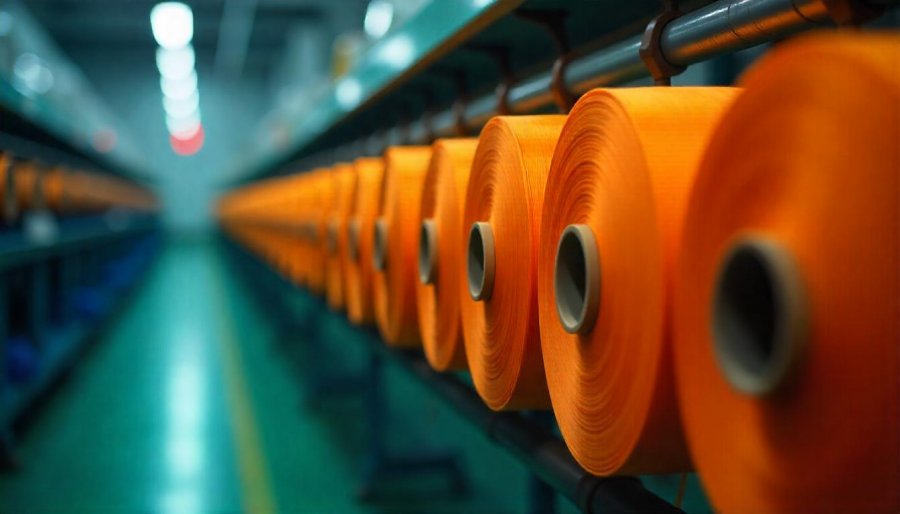
Nylon’s production begins with the extraction of fossil fuels like oil and natural gas, which serve as the foundational raw materials. These resources are obtained through extensive drilling and pipeline infrastructure, processes that are both resource-intensive and environmentally disruptive. The refining of these fuels transforms them into chemical building blocks—mainly hexamethylenediamine and adipic acid—that are crucial for nylon synthesis. This stage alone consumes vast amounts of energy and releases pollutants, making it a significant contributor to industrial pollution and climate change.
The chemical synthesis of nylon involves complex reactions that link small molecules into long polymer chains. These reactions, known as polymerization, require high heat, pressure, and hazardous chemicals. During this process, volatile organic compounds (VOCs) and greenhouse gases are often emitted, contributing to air pollution and warming the planet. If not carefully managed, these byproducts escape into the environment, impacting air quality and surrounding ecosystems. The factories that produce nylon are major sources of these emissions, and their operations often exceed safety standards designed to protect nearby communities.
Water pollution is another critical issue linked to nylon manufacturing. Wastewater containing residual chemicals—such as solvents, monomers, and other toxic substances—can contaminate local water sources if not treated properly. These pollutants pose severe risks to aquatic ecosystems, harming fish and other wildlife while disrupting the balance of local habitats. In some cases, chemical spills or leaks have led to catastrophic contamination, highlighting the dangers associated with chemical handling and disposal during nylon production.
The energy-intensive nature of nylon manufacturing compounds its environmental impact. The high heat and pressure needed for polymerization are predominantly supplied by burning fossil fuels, which releases large volumes of carbon dioxide into the atmosphere. This reliance on non-renewable energy sources directly links nylon production to the broader issue of global climate change. As emissions from industrial processes continue to rise, the footprint of everyday products—like nylon—becomes increasingly significant in the fight against warming temperatures.
Beyond the chemical and energy concerns, the physical process of turning raw materials into fibers involves additional energy consumption. Spinning, drawing, and weaving nylon into textiles or industrial materials all demand substantial power, often derived from fossil fuels. This further elevates the carbon footprint associated with nylon, embedding it deeper into the web of industries that contribute to environmental degradation. These manufacturing steps also generate waste and emissions, adding layers of pollution that can sometimes be overlooked in the broader lifecycle.
Chemical byproducts and waste are inherent in nylon production, and their proper management remains a challenge. Without stringent controls, residual solvents, acids, and other hazardous chemicals can leak into the environment, contaminating soil and water. These pollutants do not only threaten ecosystems but also pose health risks to workers and nearby residents. The persistent nature of some of these chemicals means they can linger for years, creating long-term environmental hazards that are difficult to remediate.
The dependence on fossil fuels for nylon production ties the material directly to the finite resources of oil and natural gas. As these resources become scarcer, the environmental and geopolitical costs of extraction and refining escalate. This dependence not only exacerbates resource depletion but also fuels geopolitical tensions over access to these vital commodities. Transitioning to more sustainable raw materials or recycling methods presents a crucial opportunity to reduce this dependency and mitigate associated environmental impacts.
In sum, nylon’s production is a complex process rooted in resource extraction and chemical synthesis that leaves a significant environmental footprint. From greenhouse gas emissions and water pollution to waste generation and resource depletion, each stage carries its own set of challenges. Addressing these issues requires industry innovation, stricter regulations, and a shift toward sustainable practices. Recognizing the true cost of nylon, from cradle to grave, is essential for fostering a more responsible approach to this ubiquitous material.
From Cradle to Grave: The Environmental Toll of Nylon’s Lifecycle
The lifecycle of nylon begins with the extraction of fossil fuels—primarily oil and natural gas—which serve as the raw materials for its production. These activities involve drilling and pipeline infrastructure that are resource-intensive and often disrupt local ecosystems. The refining process transforms these fuels into chemical building blocks like hexamethylenediamine and adipic acid, a step that consumes vast amounts of energy and releases pollutants. These emissions include greenhouse gases and volatile organic compounds, which contribute significantly to climate change and air quality issues. The environmental footprint of this initial stage sets the tone for the entire lifecycle, illustrating how resource extraction is deeply intertwined with ecological harm.
Once the raw chemicals are obtained, they undergo complex chemical reactions—known as polymerization—to create long nylon chains. This process requires high heat, pressure, and hazardous substances, making it energy-intensive and prone to releasing pollutants if not meticulously managed. These volatile byproducts, including VOCs and greenhouse gases, often escape into the environment during production, polluting the air and impacting nearby communities. Factories dedicated to nylon manufacturing are among the largest sources of industrial air pollution, and their wastewater discharges can contaminate local water bodies, affecting aquatic ecosystems and posing health risks to surrounding populations. This chemical and thermal complexity underscores the substantial environmental costs embedded in nylon’s creation.
Turning raw chemicals into usable fibers involves additional manufacturing steps like spinning, drawing, and weaving—each demanding significant energy, predominantly derived from fossil fuels. These processes not only consume large volumes of power but also add to nylon’s carbon footprint, further linking its lifecycle to climate change. The resulting fibers are woven into textiles, carpets, and industrial materials, many of which have relatively short lifespans or are difficult to recycle. As these products reach the end of their usefulness, they often end up in landfills or oceans, where their durability becomes a double-edged sword: nylon can persist for hundreds of years, continually shedding microfibers that infiltrate ecosystems and food chains.
The shedding of microfibers during use poses a persistent environmental challenge. Every wash or wear releases tiny nylon fragments that bypass wastewater treatment systems, entering rivers, lakes, and oceans. Marine animals mistake these fibers for food, leading to ingestion that disrupts their digestive systems and health. Over time, these microplastics accumulate, creating a vast, invisible layer of pollution that threatens aquatic biodiversity and human health alike. Because nylon resists natural breakdown, these microfibers linger for centuries, contributing to the global crisis of oceanic plastic pollution and microplastic contamination in terrestrial environments.
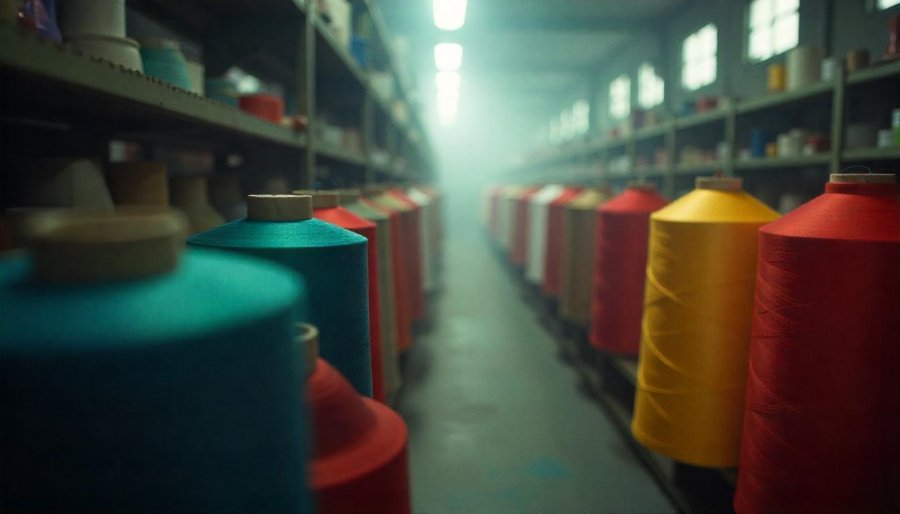
Disposal marks the final, yet perhaps most troubling, stage of nylon’s lifecycle. Its resistance to natural degradation means discarded nylon items can persist in landfills for hundreds of years, slowly leaching chemicals into soil and groundwater. While recycling efforts—such as turning old nylon into new fibers—have gained traction, they are still limited in scale and scope. Without broader adoption of recycling or the development of biodegradable alternatives, nylon’s environmental impacts will continue to mount, adding to the mounting pile of plastic waste. Addressing these issues requires not only technological innovation but also a shift in consumer behavior and industry practices. Recognizing the full lifecycle impacts of nylon highlights the urgent need for more sustainable materials and responsible management, ensuring that convenience does not come at the planet’s expense.