Embarking on your first camping trip might seem intimidating, but could a simple shift in mindset turn this outdoor adventure into your most rewarding experience? This guide reveals how approaching camping with curiosity, patience, and flexibility transforms potential frustrations—like weather surprises or gear mishaps—into opportunities for discovery and connection. Imagine learning to embrace setbacks with humor, celebrating small wins, and noticing the subtle beauty of nature that often goes unnoticed. Practical tips on preparing gear and setting achievable goals help build confidence, while engaging activities like storytelling or exploring local flora deepen your appreciation. Ultimately, the key lies in focusing on purpose—whether reconnecting with loved ones or seeking peace—and remaining open to spontaneous moments and surprises. By cultivating an open, grateful attitude, your first camping trip can become a joyful, memorable journey that sparks a lifelong love for the outdoors. Are you ready to see how a simple mindset can redefine your outdoor adventures?
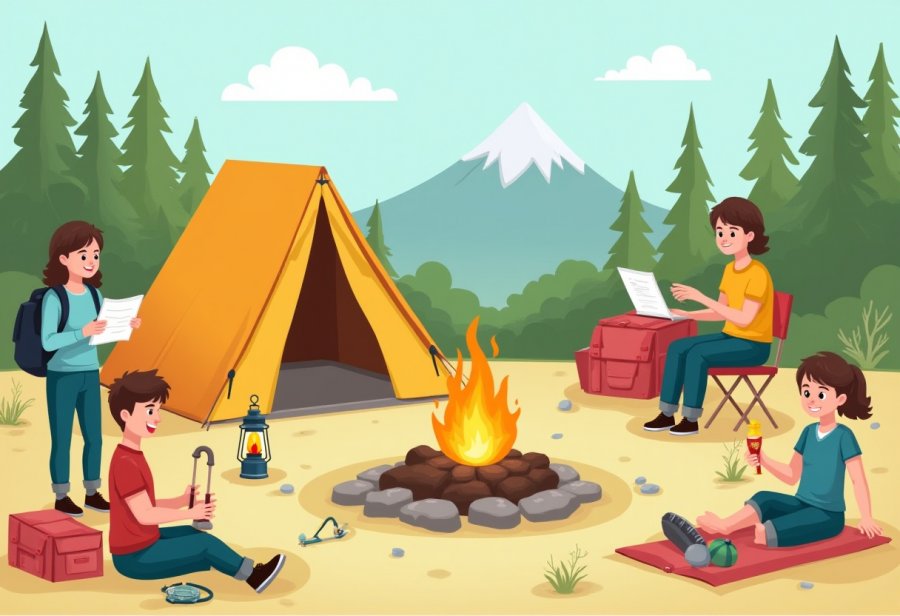
Embrace Adventure: Cultivating a Positive Mindset for Your First Camping Trip
Starting your first camping trip can feel a little daunting, especially if outdoor adventures aren’t yet second nature. But the way you approach the experience can make all the difference between feeling overwhelmed and feeling excited. Instead of fixating on every possible mistake or mishap, try to see your trip as a chance to learn, explore, and enjoy. Approach it with curiosity and a sense of adventure, and you’ll find that what might seem like obstacles quickly become opportunities for discovery.
A positive mindset is your most valuable tool outdoors. When you accept that surprises and setbacks are part of the journey, it becomes easier to stay calm and flexible. Whether your tent takes longer to set up than planned or you forget a small item, treating these moments with humor and patience keeps the mood light. Celebrating small wins, like successfully pitching your tent or spotting a bird, reinforces confidence and helps you stay focused on the fun instead of the frustrations.
Your attitude doesn’t just influence your own experience—it can lift everyone else’s spirits too. When you maintain a cheerful outlook and show patience, you set a tone that encourages others to relax and enjoy. That collective positivity turns what could be minor setbacks into shared stories and laughs, strengthening group bonds and making the trip more memorable. A relaxed, open-minded approach helps everyone see the outdoors as a place of opportunity rather than challenge.
Entering the outdoors with an open mind also deepens your connection to nature. When you’re not preoccupied with worries about perfection, you notice the subtle beauty around you—rustling leaves, distant bird songs, sunlight filtering through trees. These quiet moments of appreciation turn a simple camping trip into a meaningful escape. Slowing down to enjoy these details transforms the experience from just a trip into a memorable, almost meditative journey into the natural world.
It’s worth remembering that no outdoor trip is a flawless one. Weather might shift unexpectedly, or your plans might need adjusting. Instead of resisting these changes, view them as part of the adventure. A rainstorm might send you inside the tent with a good book, or lead you to discover a cozy new spot. Embracing spontaneity and staying flexible allows you to find joy even in the unpredictable, turning potential frustrations into treasured memories.
Preparing your mind for the trip is just as important as packing your gear. Visualize what you want to achieve—whether it’s pitching your tent smoothly or taking a peaceful walk—and set simple goals. Approaching the experience with patience and humor helps you handle unforeseen challenges without stress. When you’re mentally ready to adapt, setbacks become just another part of the story, not a roadblock.
Finally, remember why you chose to go outdoors in the first place. Whether it’s to reconnect with loved ones, find a moment of peace, or simply enjoy a break from city noise, holding onto that purpose keeps your focus positive. Celebrate small successes along the way—like a perfect campfire or spotting a rare bird—and savor the simple pleasures of nature. When you approach your first camping trip with an open, curious, and grateful attitude, it becomes more than just an outing; it becomes the start of a lifelong love for the outdoors.
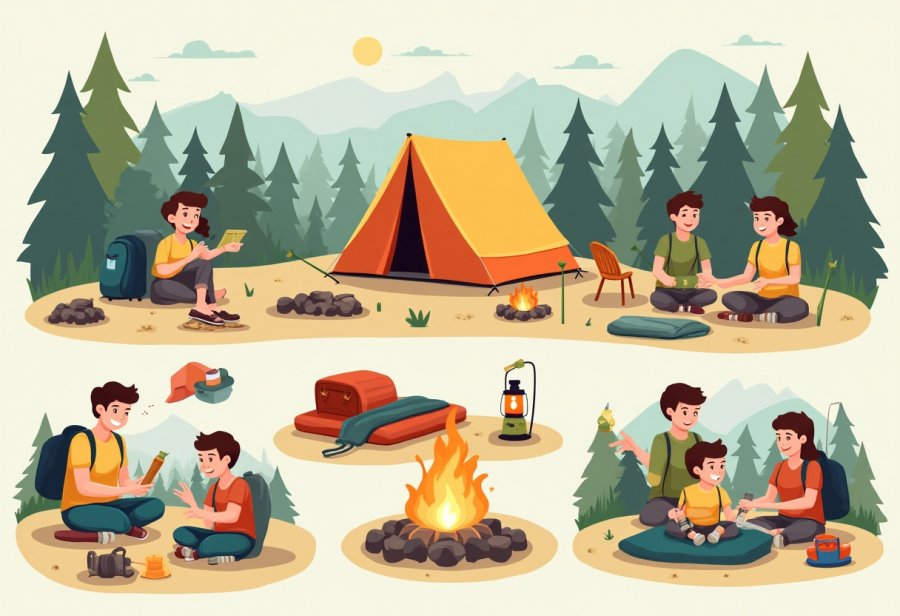
Smart Planning: Preparing, Packing, and Mental Readiness for Outdoor Success
Getting ready for your first camping trip involves both practical planning and mental preparation. Starting with a solid checklist helps you gather all the essentials—think a sturdy tent, a warm sleeping bag, weather-appropriate clothing, a reliable flashlight, and basic cooking supplies. Organizing these items before you leave reduces stress and makes setting up camp smoother. Focus on lightweight, versatile gear, like a multi-tool that can replace several individual items, saving space and weight in your pack. Double-check your water supply and snacks, especially if you’re heading into a remote area where supplies might not be close by. When everything is prepared and packed, you can enjoy your trip without the distraction of missing gear.
Mental readiness is just as vital as packing. Visualize your trip: imagine yourself pitching the tent successfully or taking a peaceful walk in the woods. Setting small, achievable goals helps make the experience feel manageable and builds your confidence. Remember, mistakes are part of the process; approach them with patience and humor. Staying calm and adaptable when things don’t go perfectly—like sudden weather changes or gear mishaps—turns challenges into part of the adventure. A relaxed mindset helps you stay present and enjoy the outdoor experience rather than stressing over every detail.
Familiarizing yourself with the environment before your trip can boost your confidence and reduce anxiety. Check the weather forecast and pack accordingly—rain gear and waterproof covers are essentials if rain is expected, while warm layers or a warmer sleeping bag are wise for cooler nights. Knowing the layout of the campsite, nearby water sources, and trail options allows you to plan your activities and navigate more easily once onsite. A little research beforehand transforms uncertainty into anticipation, helping you focus on the fun rather than the unknown.
Organizing your gear efficiently is another key step. Pack items in separate bags or compartments based on category—clothing, cooking gear, sleeping supplies—so you can quickly find what you need. Labeling your bags or packing in a logical order simplifies setup and teardown. The more organized you are, the more relaxed you’ll feel stepping into your outdoor adventure. This planning also ensures you have room for small extras like a first aid kit, insect repellent, or a map, which can make all the difference in handling minor mishaps or exploring unfamiliar terrain.
Emergency preparedness shouldn’t be overlooked, even on shorter trips. Including a basic first aid kit with bandages, antiseptic wipes, and insect repellent keeps minor injuries manageable. If you plan to explore further from your campsite, carrying a map, compass, or GPS device adds an extra layer of safety and confidence. Being ready for common issues means you can handle minor setbacks without stress, allowing you to stay focused on enjoying the outdoors. It’s about being prepared enough so that unexpected situations don’t derail your experience but don’t turn into overthinking.
Finally, maintaining a flexible attitude is crucial. No matter how well you plan, weather surprises or small setbacks can happen. Instead of feeling frustrated, see these moments as part of the adventure. A rainstorm might send you inside the tent with a good book or inspire a new cozy activity. Unexpected delays can lead to discovering a hidden trail or a favorite quiet spot. Embracing spontaneity and staying adaptable help turn potential frustrations into memorable stories. When you accept that not everything will go perfectly, you open yourself up to more genuine, joyful experiences.
Preparing thoughtfully and approaching your first camping trip with a positive, open mindset creates a foundation for success. When you pack with intention and think ahead about potential challenges, you set yourself up for a smooth, enjoyable experience. Most importantly, focus on the reasons you chose to go outdoors—whether to reconnect, find peace, or just enjoy nature’s beauty. With these preparations and a relaxed attitude, your trip can become more than just an outing; it’s the start of a lifelong love for outdoor adventures.
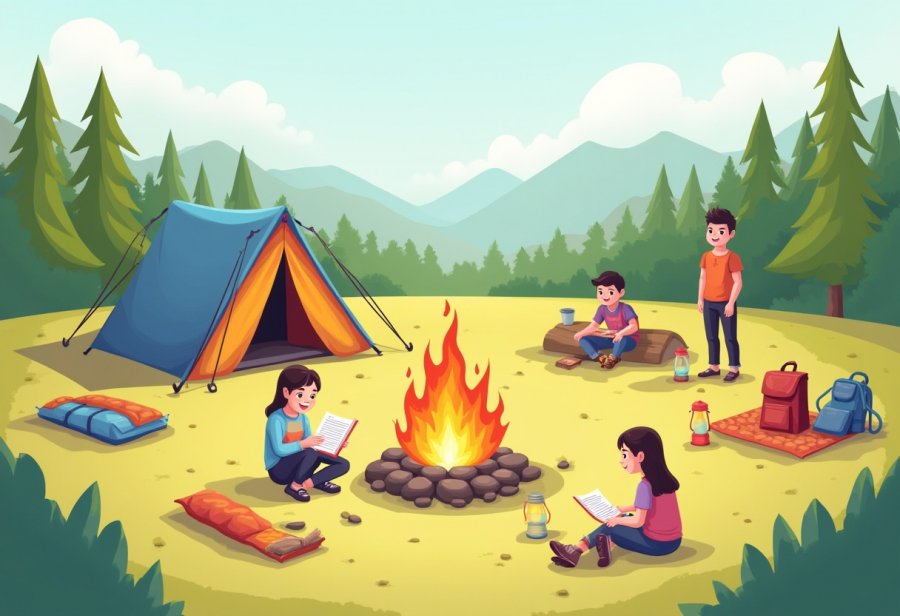
Create Joyful Memories: Fully Engaging with Nature and Loved Ones on Your Camping Journey
To truly enjoy your camping trip and create lasting memories, it’s essential to engage actively with your surroundings and the people you’re with. Slowing down and paying attention to the small details—like rustling leaves, distant bird calls, or sunlight filtering through the trees—can turn a simple outing into a meaningful experience. These quiet moments of mindfulness help deepen your connection to nature and foster a sense of appreciation that lingers long after you’ve headed home.
Outdoor activities don’t have to be elaborate or costly to be impactful. A leisurely walk on a nearby trail, discovering a peaceful spot beside a river, or exploring the local flora and fauna can be surprisingly rewarding. Bringing along binoculars, a bird guide, or a small notebook can turn these simple explorations into mini-adventures. Collecting interesting leaves, stones, or feathers can become fun, educational activities for everyone, encouraging curiosity and creating shared moments of discovery.
Sharing stories around the campfire naturally strengthens bonds and creates warm, unforgettable memories. Whether recounting funny anecdotes, personal stories, or past adventures, these moments of storytelling weave a sense of camaraderie. Incorporating songs, playing simple games, or inventing campfire legends adds a playful touch that everyone can enjoy. The goal isn’t perfection but connection—these shared experiences often become the highlights of your trip, stories you’ll cherish long after the fire has died down.
For families and groups, planning activities everyone can participate in fosters teamwork and shared joy. A scavenger hunt around the campsite, a friendly fishing contest, or a nature photo challenge can turn a relaxing day into an exciting adventure. Small chores like gathering firewood or helping set up the tent create opportunities for collaboration and a sense of accomplishment. When routines stay flexible and fun takes precedence over perfection, everyone relaxes and enjoys the moment more fully.
Taking moments of quiet observation can significantly deepen your appreciation for the natural world. Find a peaceful spot—perhaps a clearing, a riverbank, or a scenic overlook—and sit quietly for a few minutes. Breathe deeply, listen to the forest sounds, or watch wildlife go about their day. Bringing along a lightweight chair or hammock turns this into a peaceful retreat, a chance to reflect or simply enjoy the scenery. These quiet, mindful moments help you relax and strengthen your connection to the outdoors, making the experience more meaningful and restorative.
Expect that plans may sometimes get disrupted—rain might arrive unexpectedly or a favorite activity may need to be postponed. Instead of feeling frustrated, see these moments as opportunities for spontaneity. A rainstorm could lead you to cozy up inside the tent with a good book or share stories while listening to the rain on the fabric. Such surprises often reveal new favorite spots or activities you hadn’t considered. Embracing these changes with humor and flexibility keeps the mood light and turns potential setbacks into part of the adventure, making your trip more memorable.
Keeping your focus on why you chose to go outdoors in the first place grounds your experience. Whether it’s reconnecting with loved ones, finding a peaceful escape, or simply enjoying nature’s beauty, holding onto that purpose helps maintain a positive outlook. Celebrate small victories like a successful campfire, a beautiful sunset, or spotting a rare bird. Savor the simple pleasures of outdoor life and acknowledge each moment’s value. This perspective transforms your trip from just an outing into a collection of joyful, meaningful experiences.
Approaching your camping adventure with curiosity and gratitude turns what might seem like minor moments into lifelong memories. When you’re present in the experience—whether it’s a quiet sunrise, a shared laugh, or a starry night—you build stories that stay with you long after the trip ends. The key is to remain open to whatever the outdoors offers, embracing both the joys and surprises. With this mindset, camping becomes more than just a getaway—it becomes a foundation for a lifelong passion for exploring and appreciating the natural world.